AI SEO Tools 2026 for Tracking AI Overviews Citations and GEO Optimization
First-party reports from Google and Bing now provide baseline impressions and citations for AI surfaces, while third-party platforms add cross-engine prompt tracking and share-of-voice metrics.
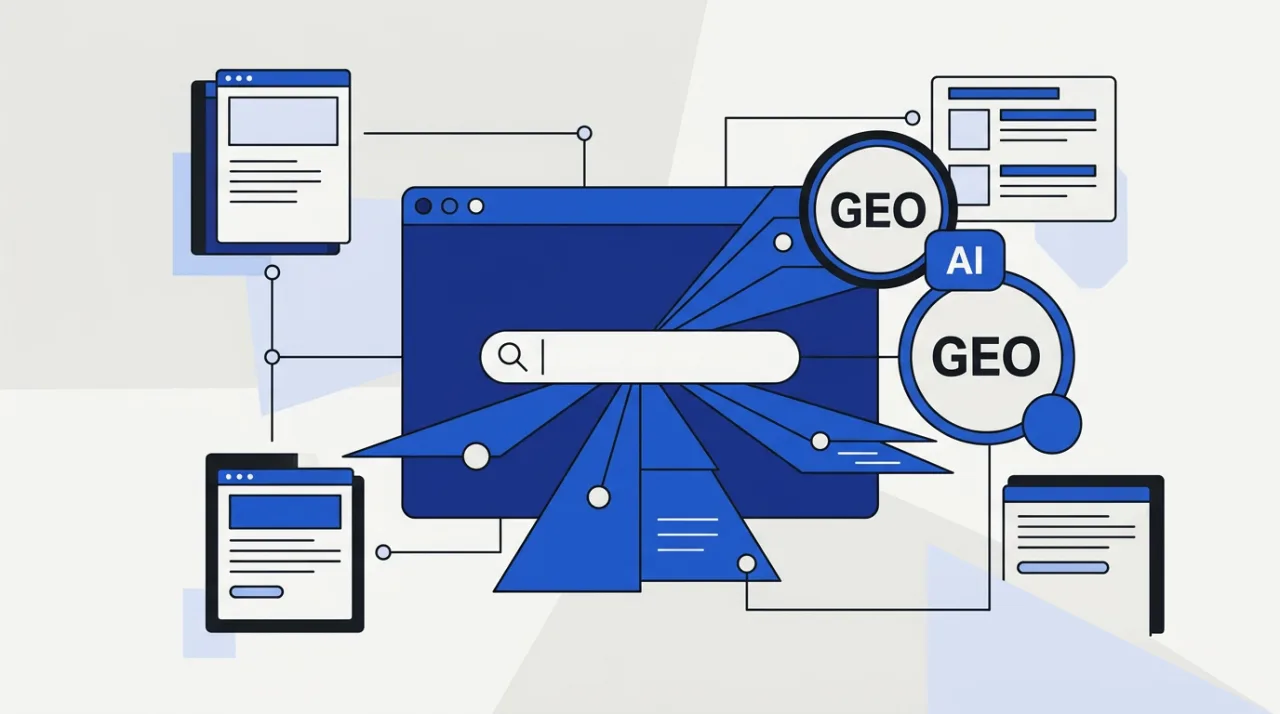
AI SEO tools 2026 address visibility inside generative answers rather than traditional rankings. They log citations across Google AI Overviews, AI Mode, ChatGPT, Perplexity, Gemini and Copilot, then measure share of voice and sentiment. Users combine official reports with paid trackers to understand how content appears in synthesized responses.
Official First-Party Tools Provide Baseline Impressions and Citations
Google Search Console released its generative AI performance report on June 3 2026, with worldwide rollout finished by August 31. The report shows impressions for AI Overviews and AI Mode broken down by page, country, device and date, though it does not include clicks or queries. Marketers use these numbers to spot pages that trigger AI surfaces.
Bing Webmaster Tools added an AI Performance report in public preview around February 2026. A Topics Portfolio beta arrived on October 13 2026, listing citations, cited pages, grounding queries and topic clusters for Copilot and Bing AI summaries. Microsoft Clarity supplies partial citation context next to AI-referred sessions.
These free reports give reliable first-party data yet lack query-level detail and cross-engine coverage. Volatility remains high, with one study noting roughly 70 percent change between observations for AI Overviews. Teams therefore supplement official numbers with third-party tools for broader monitoring.
Third-Party Platforms Add Prompt Tracking and Competitor Benchmarks
Semrush AI Visibility Toolkit runs as a standalone product at roughly $99 per month per domain or inside Semrush One plans starting near $199. It tracks mentions and citations across ChatGPT, Google AI surfaces, Gemini and Perplexity, plus competitor analysis and AI-readiness site audits. Ahrefs Brand Radar supplies an AI Visibility Index built on hundreds of millions of prompts and offers custom prompt tracking from about $50 per month across the same engines plus Claude on request.
Specialized GEO platforms include Profound for enterprise multi-engine coverage up to nine or ten sources, Peec AI at a $95 starter tier focused on prompt-level citation tracking, and Otterly.AI beginning at $29 for basic multi-engine monitoring and audits. Open-source options such as Ansvisor allow self-hosting, while add-ons inside SE Ranking and Writesonic combine tracking with content workflows.
| Platform | Starting Price | Engine Coverage | Key Strength |
|---|---|---|---|
| Semrush AI Visibility | $99/mo | Google AI, ChatGPT, Gemini, Perplexity | Competitor share of voice |
| Ahrefs Brand Radar | $199/mo | AI Overviews, ChatGPT, Perplexity, Gemini, Copilot, Claude | Sentiment and intent analysis |
| Peec AI | $95/mo | Multi-engine prompt tracking | Clean citation logging |
| Otterly.AI | $29/mo | Basic multi-engine | Affordable audits |
Most paid tools run daily or weekly prompt batches, record answer text and source URLs, then calculate share-of-voice and sentiment. They also audit robots.txt files for AI crawlers and flag pages that fail to appear in generated answers. Coverage depth varies, with stronger support for Google and ChatGPT surfaces than for Claude or Copilot in lower tiers.
Practical Steps for Using These Tools in Daily Workflows
Start by enabling the Google and Bing first-party reports to establish baseline impression counts. Export the data weekly and note pages that gain or lose visibility in AI Overviews. Next, set up a core prompt list of 200–500 branded and category queries inside one third-party platform and run them on a weekly cadence.
Review citation sources each cycle and compare share-of-voice against three to five direct competitors. When a page appears in fewer answers than expected, run the platform’s AI-readiness audit to identify missing schema, thin content or crawl blocks. Export the flagged issues into a content brief and retest the same prompts after updates.
Common pitfalls include relying on a single engine’s data, ignoring prompt drift, and treating citation counts as direct traffic drivers. Track both citation frequency and downstream referral sessions through analytics to separate visibility gains from actual engagement. Pricing scales with prompt volume and domain count, so teams test free tiers or trials before committing to annual contracts.
Frequently asked questions
Which free reports cover AI Overviews visibility?
Google Search Console’s generative AI performance report shows impressions for AI Overviews and AI Mode by page and device. Bing Webmaster Tools supplies citation and topic cluster data for Copilot summaries.
How much do leading AI visibility platforms cost?
Semrush AI Visibility Toolkit starts near $99 per month per domain, while Ahrefs Brand Radar begins around $199. Otterly.AI offers entry plans from $29 and Peec AI from $95.
Do these tools replace traditional rank trackers?
They supplement rather than replace rank tracking because AI Overviews appear on 13–50 percent of queries depending on type. Citation and share-of-voice metrics add context that position data alone cannot provide.
What engine coverage should users expect?
Most platforms prioritize Google AI surfaces, ChatGPT, Perplexity and Gemini. Coverage for Claude and Copilot appears in higher tiers or custom setups.
Comments 6