Filecoin Private-Share Skill 2026: Password-Protected AI Agent File Sharing on Mainnet
Filecoin private-share lets AI agents generate restricted links and separate access keys for encrypted file transfers on mainnet, with no network storage of keys.
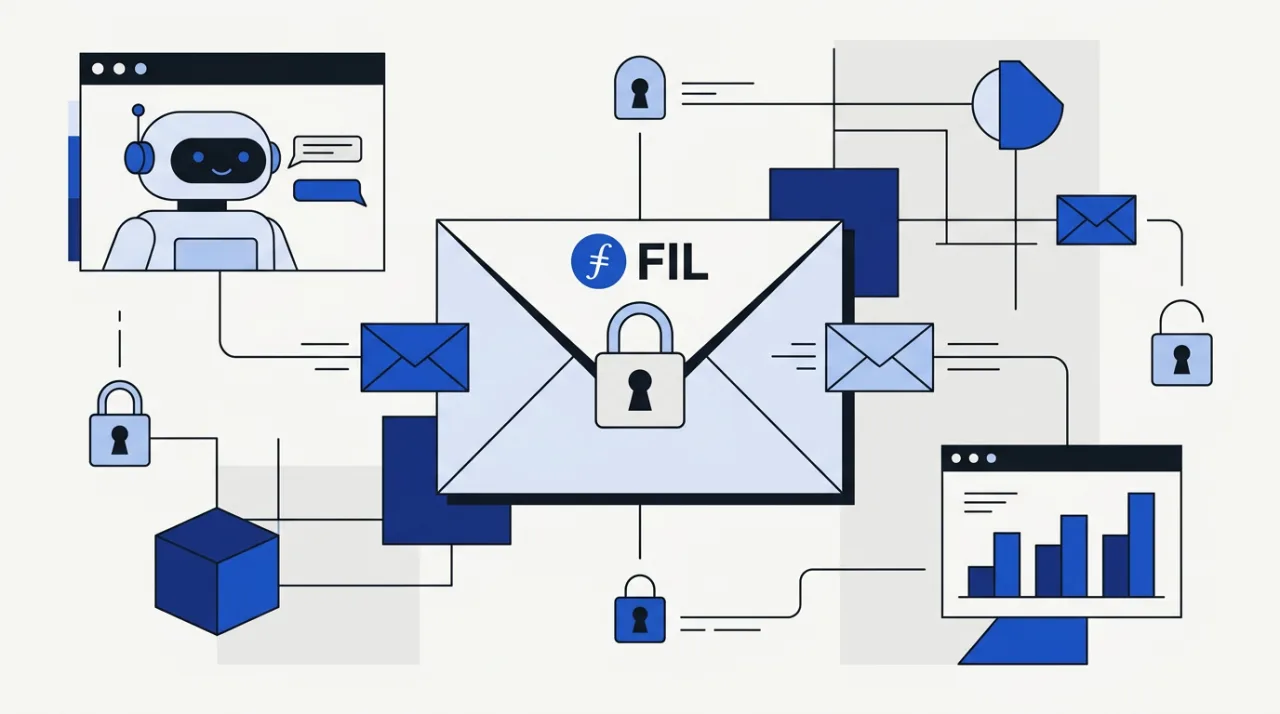
Filecoin private-share skill lets AI agents encrypt files locally before upload and issue a share link plus separate access key for decryption. Launched in preview on November 20, 2026, the tool runs on Filecoin mainnet by default and uses client-side encryption so storage providers cannot read content.
Users trigger the skill through natural language commands inside compatible agents. The system returns a link containing a content identifier and a separate key string that must be delivered through a second channel. Without both pieces, the stored data remains inaccessible.
Filecoin Private-Share Mechanics and Installation
The skill relies on the filecoin-pin CLI to handle local encryption with the Filecoin Encryption Envelope and Keysmith from the Synapse SDK. After encryption, the data uploads to the network and the agent receives a restricted share link in the format https://…#v1/bafy…&d=… plus an access key starting with fak1_. The link alone reveals only that an object exists; decryption requires the key.
Installation uses the command npx skills add filecoin-project/filecoin-skills --skill private-share. Once added, agents respond to phrases such as “share ./report.pdf privately with Ana” or “open this share”. A companion session-share skill supports encrypted handoffs between agents. The sender must hold a funded Filecoin mainnet wallet and grant encrypt scope to receive a grant token fgr1_…
Recipients need Node.js 24 or later and filecoin-pin version 2.3.0 or higher. File names and folder structure stay encrypted; only file size remains visible on-chain. Storage fees are paid in FIL according to current network rates, and uploads carry per-CLI size limits.
Security Model, Costs and Practical Limits
Keys derive from the sender’s wallet and are never stored on the network or logged by the agent. The access key appears once during creation and must be transmitted separately. The skill passes automated scans from Socket and Snyk. No revocation mechanism exists; files remain accessible as long as storage fees continue to be paid.
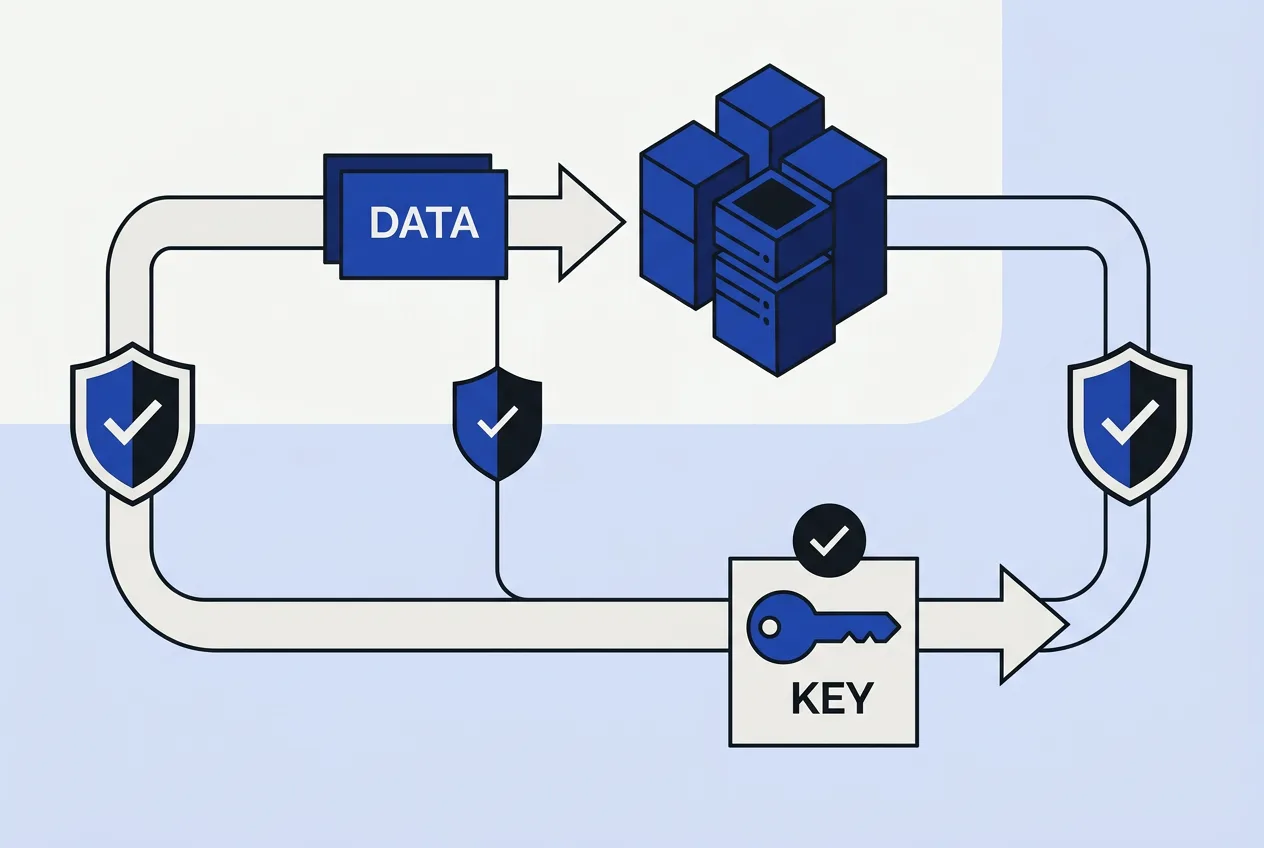
Typical costs consist of standard Filecoin storage and gas fees. No additional platform charges apply. Because the system is in preview, broader agent integrations and possible revocation features remain under development.
| Aspect | Private-Share Skill | Public Publish Skill |
|---|---|---|
| Encryption | Client-side before upload | None |
| Access control | Link + separate key | Public link only |
| Key storage | Wallet-derived, not on network | Not applicable |
| Revocation | None (permanent while funded) | None |
| Default network | Mainnet | Mainnet |
Teams in finance, legal and software development use the skill to exchange reports, datasets and contract drafts. The tool complements the existing public publish skill by providing a private alternative for one-to-one transfers.
Use Cases and Common Setup Steps
Finance teams send quarterly reports to auditors by issuing a link and key through separate channels. Development groups exchange model weights or proprietary code without exposing content to storage providers. The process follows these steps:
- Fund a Filecoin wallet and grant encrypt scope.
- Install the skill via the npx command above.
- Issue a natural-language share command inside the agent.
- Send the resulting link and access key through two different channels.
- Recipient pastes both into a compatible agent to decrypt.
Users should test decryption immediately after creation and store keys offline. Because revocation is unavailable, files intended for long-term controlled access require careful planning of storage duration.
Frequently asked questions
How does Filecoin private-share differ from public file sharing on the network?
Private-share applies client-side encryption and requires both a link and a separate access key. Public publish links expose content without encryption or additional credentials.
What happens if the access key is lost?
The encrypted object remains on the network but cannot be decrypted without the key. No recovery option exists because keys are not stored centrally.
Can Filecoin private-share revoke access after sharing?
No revocation feature is available in the current preview. Files stay accessible as long as storage fees are paid.
Which wallets and networks does the skill support?
It requires a funded Filecoin mainnet wallet with encrypt scope granted. Testnet operation is possible but not the default.
Comments
No comments yet. Be the first!