Japan FSA Cooling-Off Period Proposal 2026: Impact on Crypto Exchange Withdrawals and Self-Custodial Wallets
The Japan FSA released a discussion paper proposing mandatory cooling-off periods for transfers from new regulated exchange accounts to self-custodial wallets to curb fraud and AML risks.
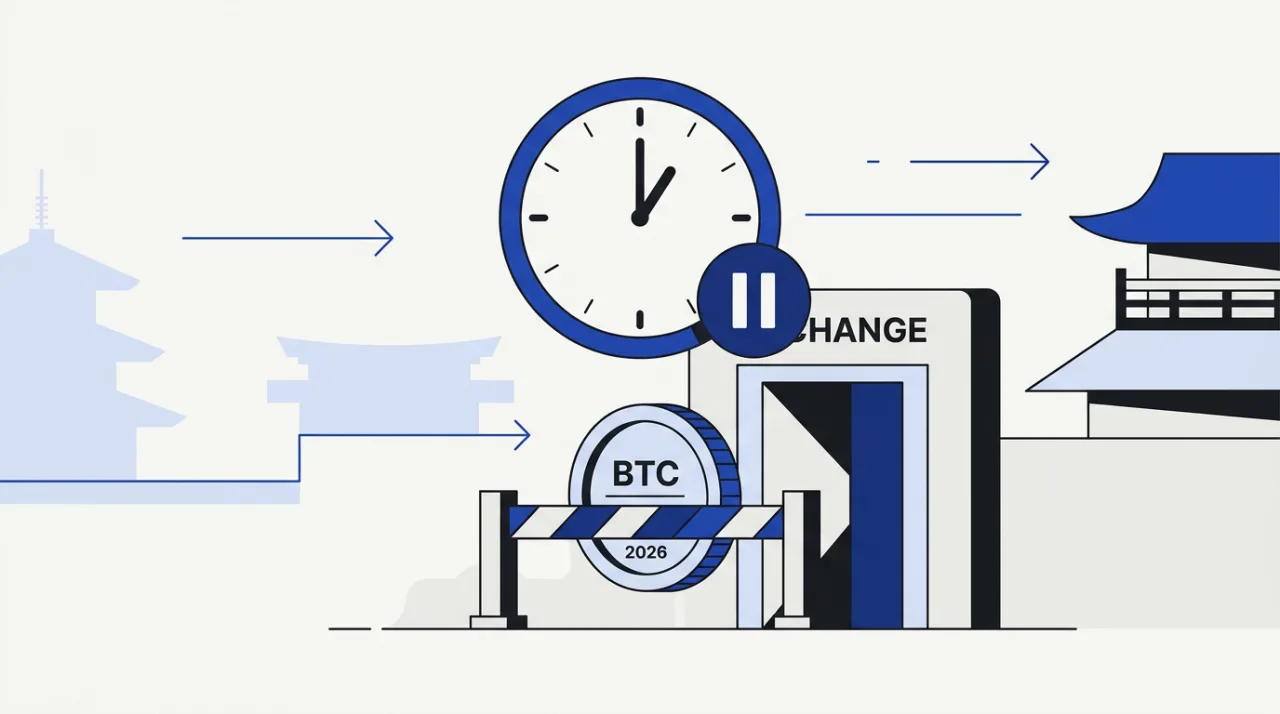
The Japan FSA cooling-off period proposal, outlined in a November 26, 2026 discussion paper, targets transfers from newly created accounts at regulated crypto exchanges to personal wallets. The measure aims to give users time to spot unauthorized activity before funds leave the platform. It forms part of ongoing reviews of DeFi and self-custodial wallet risks under existing anti-money laundering rules.
Japan FSA Cooling-Off Period Proposal Details
The discussion paper examines a mandatory waiting period specifically for withdrawals from accounts opened recently, though the exact age threshold remains undefined. It does not apply to existing accounts or all transfers. Japan already requires virtual asset service providers to collect and retain information on self-custodial wallet transactions under the Act on the Prevention of Transfer of Criminal Proceeds.
Consultation options include either an enforced delay or non-mandatory warnings shown before a transaction. Regulators seek input on amount thresholds, account age cutoffs, and implementation methods. The paper does not establish a final rule and forms part of a July 2026 initiative on on-chain finance, with interim findings expected in early 2027.
Earlier steps include an August 6, 2026 request from the FSA and National Police Agency to the Japan Virtual Currency Exchange Association for eleven anti-fraud measures. These cover post-deposit withdrawal limits, pre-registration of withdrawal addresses with cooldown periods, and enhanced monitoring.
Impact on Crypto Exchange Withdrawals Japan 2026
Adoption of the proposal would introduce delays for new-account transfers to self-custodial wallets. Duration and exact parameters remain undecided, though voluntary precedents exist. Legitimate users seeking quick self-custody moves could face added friction, while the pause might allow recovery time in scam cases.
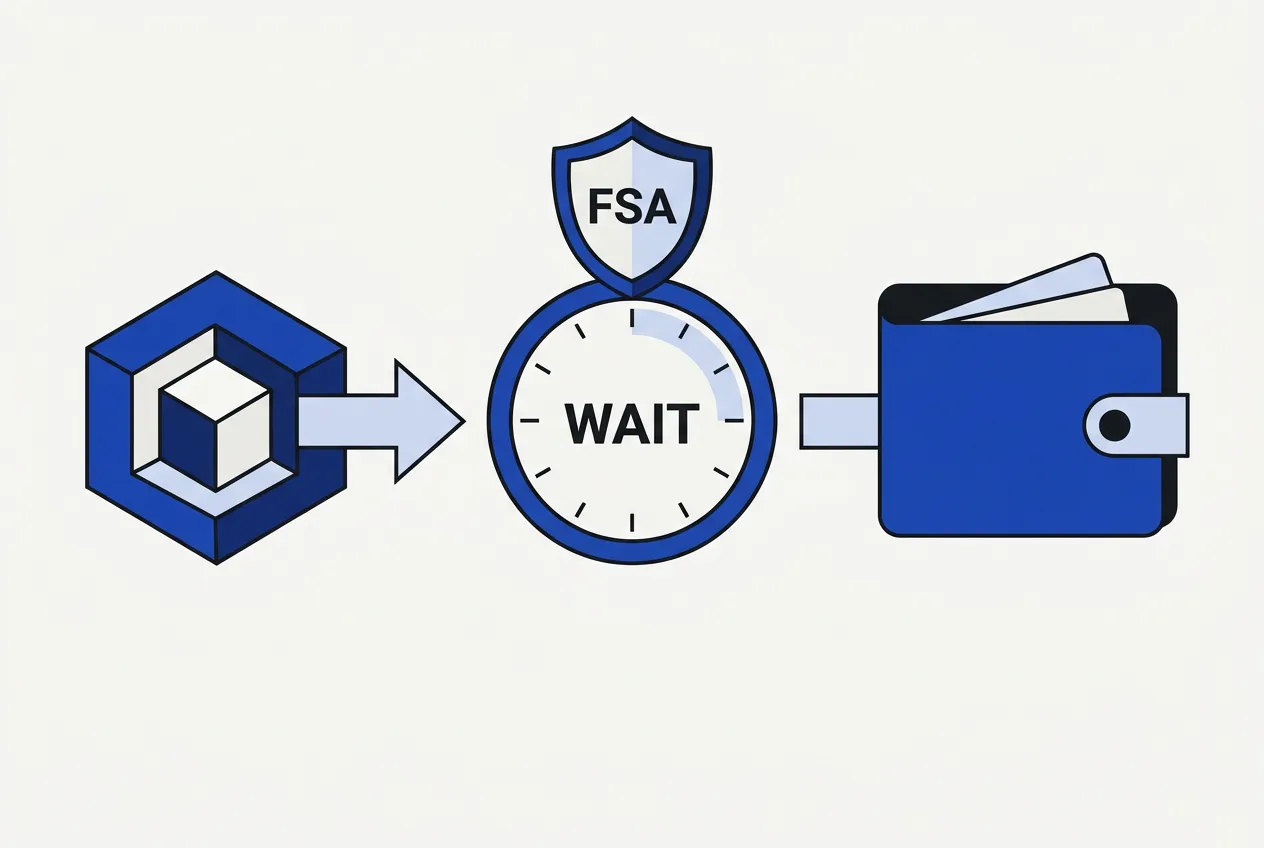
Existing requirements already create friction through transaction data collection. The proposal focuses on exit points from exchanges rather than direct regulation of self-custodial wallets, which prove difficult to oversee internationally. Rising fraud cases, including romance scams that produced ¥24.77 billion in losses in 2025, drive the focus on slowing illicit flows.
The paper also addresses DeFi access restrictions where AML controls prove inadequate and examines roles for stablecoin issuers at on-ramps. No nationwide mandatory rule has been confirmed, and public consultation continues.
| Measure | Scope | Threshold | Status |
|---|---|---|---|
| bitFlyer voluntary delay | New customers within 90 days of KYC | Transfers over ¥100,000 | Effective October 15, 2026 |
| FSA proposed mandatory period | New regulated exchange accounts | To be determined | Under consultation |
| Pre-registration of addresses | All users | With cooldown | Requested August 2026 |
Self-Custodial Wallet Transfers Japan and Next Steps
Self-custodial wallet transfers Japan face additional scrutiny under the current proposal because they represent an exit point where funds become harder to trace or recover. The FSA paper notes that direct regulation of these wallets remains limited compared with licensed exchanges. Users maintaining funds on platforms for extended periods would likely see minimal change, while frequent movers from new accounts would encounter the longest waits if rules tighten.
Exchanges may expand voluntary policies ahead of any formal guidelines. bitFlyer already applies a 48-hour cooling-off period for qualifying external transfers above ¥100,000 from new customers, handling multiple deposits separately and exempting smaller amounts. Deposits of ¥100,000 or less avoid the delay, and trading remains unaffected.
Next steps involve review of public comments by the FSA. Any formal rules or guidelines could tie into amendments to the Financial Instruments and Exchange Act expected around July 2027. Parameters such as delay length and account age limits will depend on consultation outcomes, leaving room for adjustments based on industry and user feedback.
Frequently asked questions
Does the Japan FSA cooling-off period apply to all crypto withdrawals?
No. The proposal targets transfers from newly created regulated exchange accounts to self-custodial wallets. Existing accounts and non-withdrawal activities such as trading remain outside the discussed scope.
What is the current status of the FSA proposal?
The November 26, 2026 discussion paper seeks public input and does not set a final rule. Interim findings are expected in early 2027, with possible formal guidelines later.
How does bitFlyer handle new customer withdrawals?
Since October 15, 2026, bitFlyer applies a voluntary 48-hour delay to external transfers above ¥100,000 from customers within 90 days of identity verification. Smaller deposits and trading are exempt.
Will self-custodial wallets face direct restrictions?
The paper focuses on exchange exit points rather than direct rules for self-custodial wallets. Existing transaction data collection requirements already apply to transfers from licensed platforms.
Comments 6