Best Crypto Wallets 2026: Hardware and Software Options After Recent Exchange Incidents
Recent exchange incidents have increased demand for self-custody wallets. This guide examines hardware and software options, their security features and practical risks in 2026.
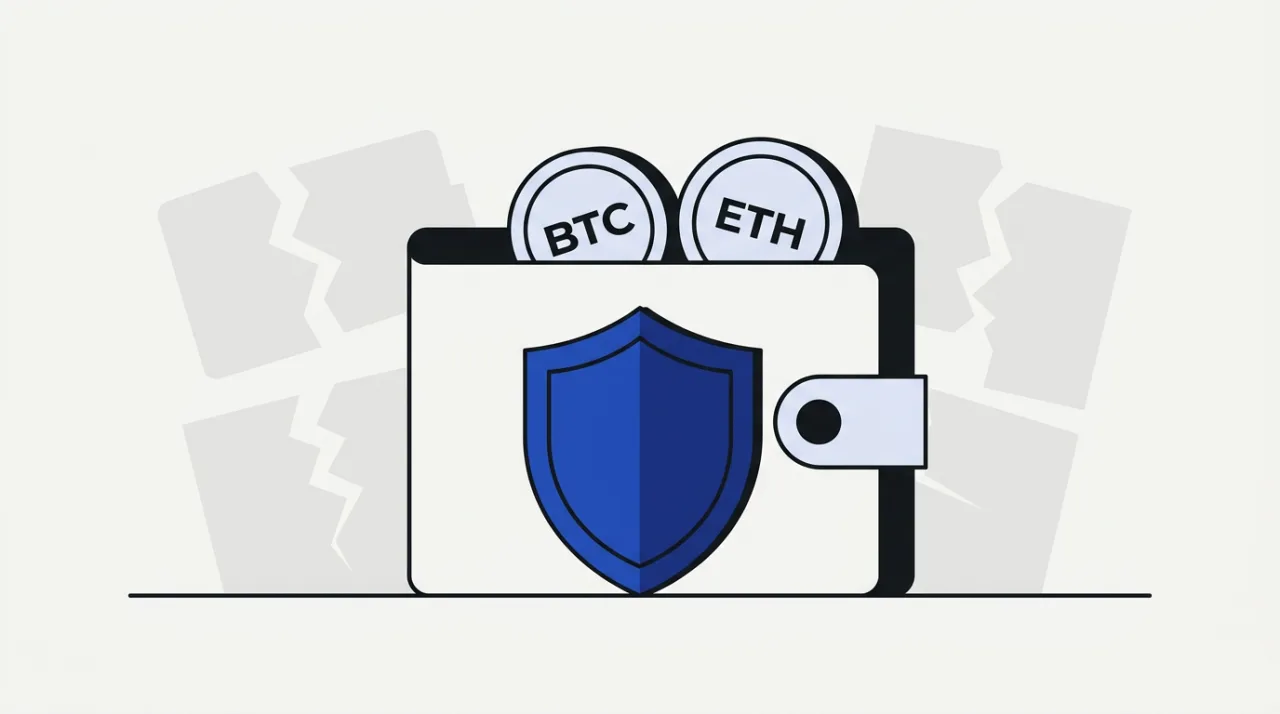
Recent exchange incidents have pushed many users toward self-custody solutions. Hardware wallets now serve as the main option for long-term holdings, while software wallets handle smaller or active amounts. Choice depends on asset support, security model and user tolerance for setup complexity.
Hardware Wallet Security 2026: Trezor, Ledger and Alternatives
Trezor Safe 5 and Safe 3 models use open-source firmware with EAL6+ secure elements. Prices range from 59 to 169 dollars. Higher models include touchscreens and Shamir backup. These devices support major cryptocurrencies and allow transaction verification on screen.
Ledger Nano S Plus, X, Gen5, Flex and Stax cover the widest range of assets, from 5,500 to over 15,000 tokens. They employ EAL5+ or EAL6+ chips. Bluetooth appears on select models, with prices from 59 to 399 dollars. Integration with desktop and mobile apps remains broad.
Other hardware choices include Tangem NFC cards at 55 to 70 dollars per set, ELLIPAL Titan 2.0 and Keystone 3 Pro for QR-code air-gapped signing, and Coldcard for Bitcoin-only users. NGRAVE Zero targets premium air-gapped needs at higher cost. BitBox02 and Cypherock X1 offer open-source or split-key approaches.
Supply-chain incidents in 2026 affected several lines. A Coldcard firmware issue from 2021 to mid-2026 weakened seed entropy and contributed to losses estimated at 1,700 to 2,000 BTC. Ledger devices sold through reseller CryptoBilis carried implants that captured recovery phrases, with third-party estimates of 86 to 102 million dollars drained. Trezor data from shipping partner ShipMonk exposed 81,000 customer records without compromising keys.
| Wallet | Price Range | Key Strength | Asset Support | Notable Risk |
|---|---|---|---|---|
| Trezor Safe 5 | $99–169 | Open firmware, touchscreen | Major coins | Shipping data breach |
| Ledger Nano X | $149–399 | Broad compatibility | 5,500–15,000+ | Reseller implants reported |
| Tangem Card Set | $55–70 | NFC ease, EAL6+ | Broad | Physical loss of cards |
| Keystone 3 Pro | $129–179 | Air-gapped QR | Multi-coin | Setup verification needed |
| Coldcard | $150 | Bitcoin air-gap focus | BTC only | Past entropy flaw |
Software Wallets and Hybrid Setups for Daily Use
Software options such as Rabby, MetaMask, Trust Wallet, Exodus, Kraken Wallet and Phantom suit frequent transactions or smaller balances. These connect directly to exchanges and DeFi protocols but remain exposed to online threats. Many now pair with hardware devices for signing while keeping keys offline.
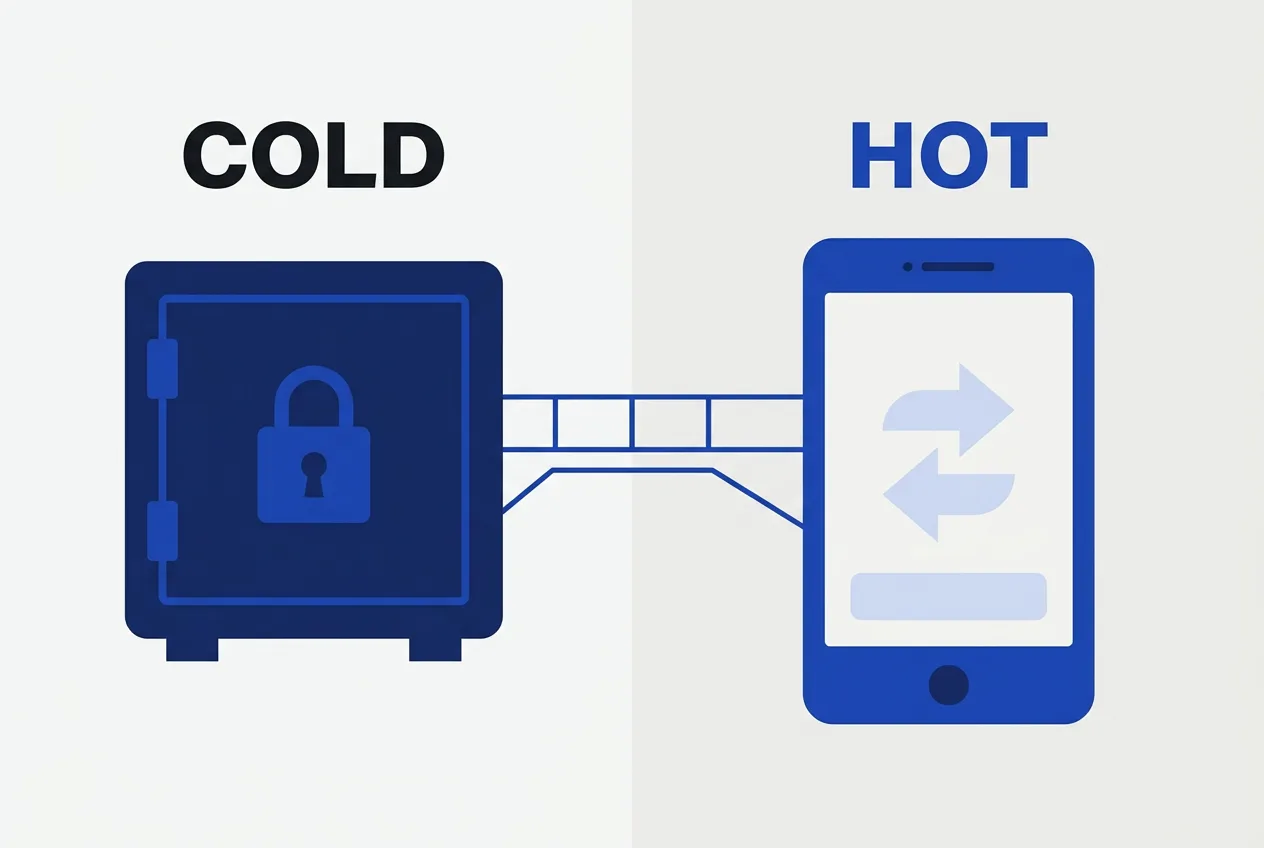
Users typically transfer large holdings to hardware after initial purchase and keep only operating funds in software wallets. Rabby adds transaction simulation for EVM chains. Phantom focuses on Solana ecosystem speed. Exodus offers built-in exchange features across multiple assets.
Security practices reduce common failure points. Purchase devices only from official sites. Verify firmware hashes on arrival. Never enter seed phrases on computers or phones. Confirm every transaction on the device screen. Add passphrases or multisig for extra layers. Monitor accounts after any data breach involving manufacturer records.
Self-custody removes exchange counterparty exposure but shifts risk to device manufacturers, resellers and user handling. No single wallet fits every priority. Open-source firmware appeals to some, while maximum asset coverage matters to others. Air-gapped models reduce wireless attack surfaces at the cost of convenience.
Frequently asked questions
Which hardware wallet offers the widest asset support in 2026?
Ledger models support between 5,500 and over 15,000 assets. This exceeds most competitors. Users should still verify specific token compatibility before purchase.
What steps reduce risks after the Trezor shipping data breach?
Buy replacement devices only from the official site. Enable passphrases on existing units. Watch for phishing attempts using exposed contact details. Monitor on-chain activity regularly.
Are software wallets safe for larger holdings after exchange incidents?
Software wallets remain connected to the internet and carry higher exposure. They suit daily amounts only. Pairing them with hardware signing improves protection for larger sums.
How do air-gapped wallets like Keystone differ from standard hardware options?
Air-gapped models sign transactions via QR codes without USB or Bluetooth connections. This limits remote attack vectors. Setup requires extra verification steps on every transfer.
Comments 6