Binance hack October 2026 leaves users waiting on paused withdrawals after $6.3 billion theft
Binance suspended withdrawals after unauthorized transfers removed $6.3 billion from hot wallets on October 29, 2026. Users can still deposit funds while the exchange works to resume services.
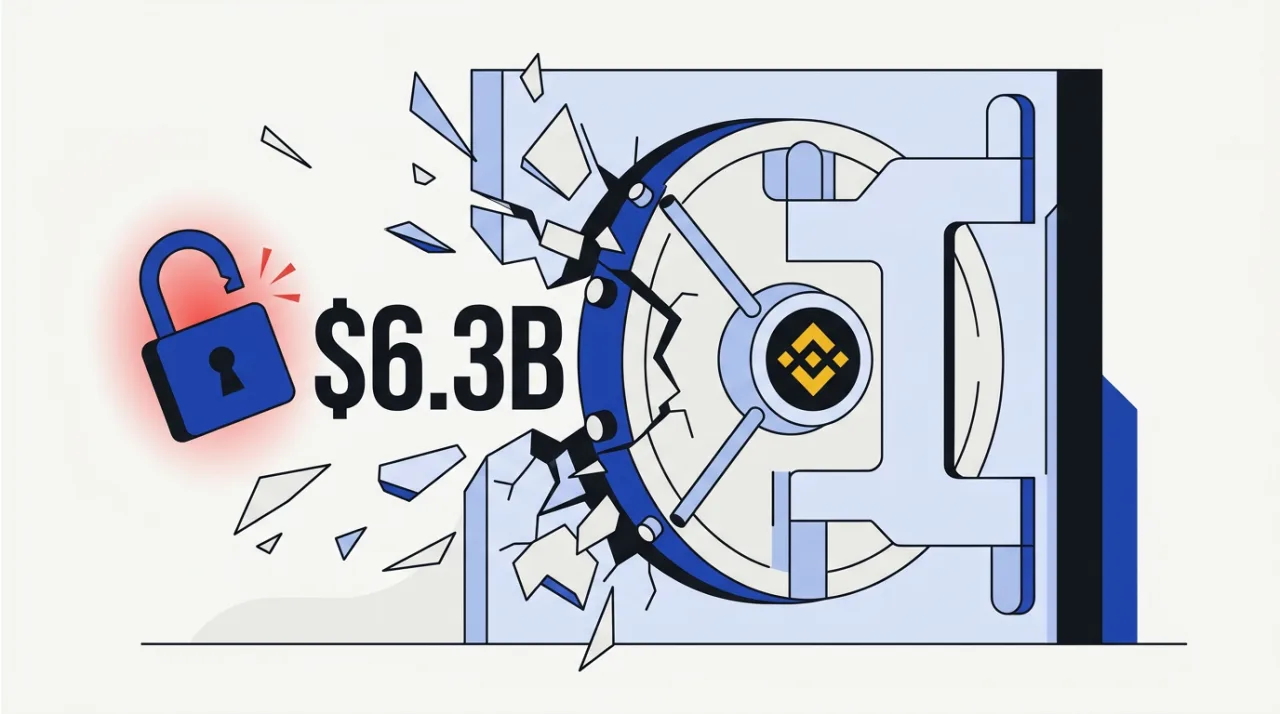
The Binance hack October 2026 drained roughly $6.3 billion from the exchange’s hot wallets in under 31 minutes on October 29. Withdrawals remain paused as of October 30 while Binance revamps security controls. Deposits continue without interruption, and the platform states that user balances stay fully backed by reserves and the SAFU fund.
Sequence of the October 29 breach and immediate response
Unauthorized transactions began around 20:05 UTC on October 29 and targeted hot wallets on nine to ten blockchains, mainly Ethereum, Bitcoin and Tron. Blockchain analysts at TRM Labs and Chainalysis traced the activity to the TraderTraitor group, linked to North Korea’s Lazarus Group, after initial access came through a compromised DevOps laptop. No private keys left exchange custody during the event.
Binance paused withdrawals within minutes of detecting the drain and revoked the compromised authorizations. Stablecoin issuers froze approximately $2.3–3 billion on-chain, including $1.57 billion by Tether and roughly $800 million by Circle. The exchange confirmed it holds more than $6.34 billion in the SAFU fund and company reserves, with $5 billion already in the affected tokens, and pledged to cover all shortfalls.
Binance.US operations stayed unaffected. The platform expects to resume withdrawals within 45–48 hours after additional security reviews, pointing to a target of November 1. An updated Proof of Reserves report will follow remediation work.
User actions during the withdrawal pause and asset protection steps
Account holders should continue normal deposit activity but avoid initiating new withdrawal requests until the service returns. Monitor only official Binance announcements and support channels for resumption notices rather than third-party messages. Two-factor authentication settings and API keys should be reviewed and rotated where possible.
Users holding large balances may consider moving a portion of assets to self-custody wallets once withdrawals resume, provided they follow standard seed-phrase security practices. The incident highlights that even large exchanges remain targets; keeping more than a small operational amount on any single platform increases exposure to similar events.
| Incident | Date | Amount stolen | Recovery status |
|---|---|---|---|
| Binance hot wallets | Oct 29, 2026 | $6.3 billion | $2.3–3 billion frozen; SAFU covers remainder |
| Bybit (TraderTraitor) | 2025 | $1.5 billion | Partial freezes reported |
Historical data shows that rapid on-chain tracing and issuer cooperation can recover 35–50 percent of funds in comparable attacks. Binance has committed to publishing a full technical post-mortem once withdrawals resume and investigations conclude.
Longer-term implications for exchange users
The scale of the theft, the largest recorded in crypto, exceeds the combined losses from roughly 150 incidents tracked in 2025. Exchanges will likely strengthen DevOps access controls and multi-stage approval flows in response. Proof-of-reserves updates after the event will give users clearer visibility into cold-wallet coverage ratios.
Traders who rely on Binance for daily liquidity should prepare contingency plans with secondary exchanges or on-chain options. Price volatility followed the announcement, with major assets declining before partial stabilization on October 30. Continued monitoring of law-enforcement updates and frozen-asset progress remains the most direct way to track recovery outcomes.
Frequently asked questions
When will Binance resume withdrawals after the October 2026 incident?
Binance stated it aims to restore withdrawals within 45–48 hours of the October 30 updates, targeting November 1 after security enhancements.
Are Binance user funds safe following the $6.3 billion theft?
The exchange reported that the SAFU fund and company reserves exceed the stolen amount and committed to covering all losses, with roughly $2.3–3 billion already frozen on-chain.
Did the Binance hack affect deposits or only withdrawals?
Deposits continued without interruption. Only withdrawals were paused while the platform addressed the service container breach.
Which group is linked to the Binance October 2026 attack?
Blockchain firms attribute the incident with high confidence to TraderTraitor, connected to North Korea’s Lazarus Group, consistent with the 2025 Bybit breach.
Comments 12