Binance Withdrawals Resume in Phased Rollout After October Theft
Binance began restoring withdrawals on November 1 in controlled phases across multiple networks following the October 29 theft of roughly 6.3 billion dollars.
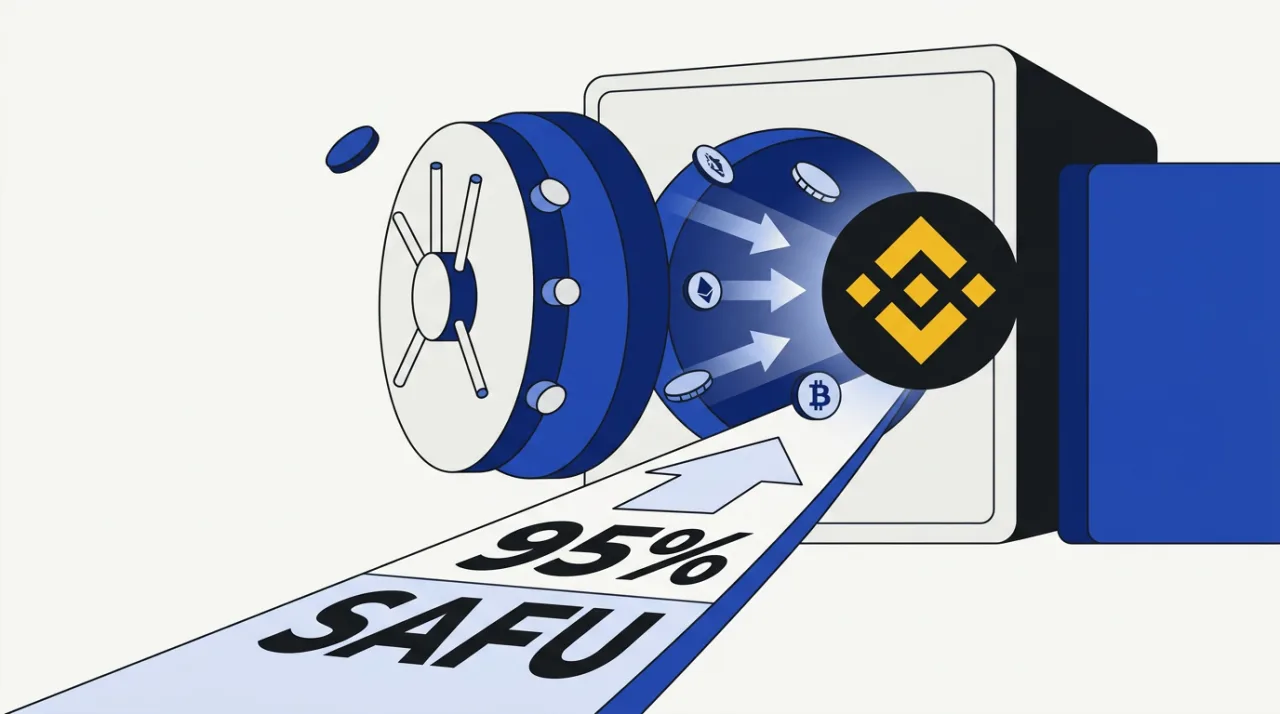
Binance withdrawals resume from November 1 in staged releases after the October 29 incident that removed about 6.3 billion dollars from hot wallets. The exchange suspended all outflows immediately after the breach and restored access first to major assets on select chains before expanding coverage.
Initial batches covered BTC, ETH, USDT, USDC on Ethereum, BNB Smart Chain and several other networks starting at 06:00 UTC. By 12:36 UTC the platform had added support for 15 networks and assets. Outflows reached 4.7 to 4.9 billion dollars by November 1, or roughly 2.1 to 2.8 percent of the exchange total assets under management near 171 billion dollars.
Binance Withdrawals Resume Across Expanding Networks
The phased approach prioritised high-demand assets and networks that passed additional security verification. Binance reported that 95 percent of losses were covered through its SAFU fund, futures insurance pool, bitcoin reserves and corporate treasury, with 6.34 billion dollars set aside in total. Approximately 3 billion dollars in stablecoins and other assets were frozen by issuers and partners in parallel with law enforcement tracing efforts.
A new proof-of-reserves snapshot taken at 00:00 UTC on October 31 showed 100 percent or greater backing for ten major assets including BTC, ETH, USDT, BNB, SOL, USDC, XRP, USD1, RLUSD and ZEC. A full zero-knowledge proof update is scheduled around November 3, with a further snapshot planned for November 4 that will include additional tokens.
Users monitoring network status pages saw gradual additions after the initial wave. Remaining networks continue to open according to demand and security clearance. The exchange stated that no private keys were compromised and that infrastructure weaknesses, including possible service container issues and delegation exploits, are under investigation with external firms.
User Steps After Binance Hack Recovery Announcements
Account holders should check official Binance channels and the network status page for the latest availability before attempting transfers. Balances can be verified against the proof-of-reserves data once the zk-proof goes live. Only the official website and mobile application should be used; third-party tools or links carry additional risk.
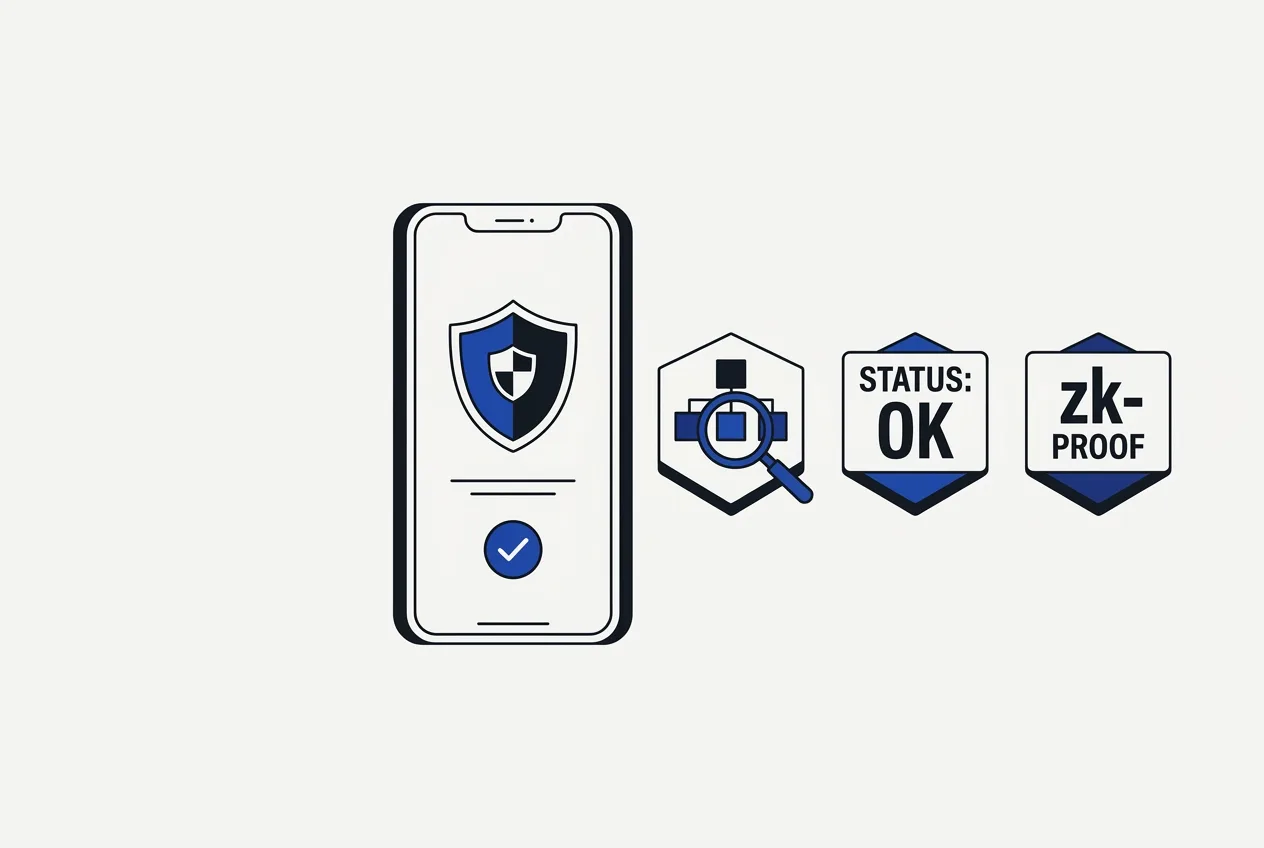
- Enable or confirm two-factor authentication and withdrawal address whitelists before submitting requests.
- Submit any balance discrepancies through official support tickets rather than social media channels.
- Track law enforcement updates on frozen funds via the FBI-listed wallet addresses published after the incident.
- Review the October 31 proof-of-reserves report for the assets held on the platform.
Net outflows stabilised after the first day of resumed access, according to exchange data. The platform continues to purchase remaining illiquid tokens to complete coverage of the final 5 percent of losses. A full technical postmortem has not yet been released.
| Asset/Network | Status as of Nov 1 | Notes |
|---|---|---|
| BTC, ETH, USDT, USDC (ETH) | Available from 06:00 UTC | First batch restored |
| BNB Smart Chain assets | Available from 06:00 UTC | Included in initial phase |
| Additional 10 networks | Added by 12:36 UTC | 15 total supported |
| Remaining chains | Pending security checks | Monitor status page |
Binance has directed users to its announcement page for the most current schedule rather than relying on third-party reports. Ongoing recovery work with issuers and authorities continues in parallel with the phased withdrawal restoration.
Frequently asked questions
When did Binance begin restoring withdrawals after the October incident?
Phased access started at 06:00 UTC on November 1 for BTC, ETH, USDT and USDC on Ethereum plus BNB Smart Chain, expanding to 15 networks by midday.
How much of the stolen funds has Binance covered from its own resources?
The exchange set aside 6.34 billion dollars from SAFU, insurance funds and treasury to cover 95 percent of the 6.3 billion dollar loss.
What should users verify before requesting withdrawals?
Check the official network status page, confirm two-factor settings and withdrawal whitelists, and review the latest proof-of-reserves snapshot for asset backing.
Are additional proof-of-reserves updates scheduled?
A full zero-knowledge proof is expected around November 3, with another snapshot planned for November 4 covering more tokens.
Comments 6