Cloud Storage Security 2026: Encryption Standards Audits and Recovery Compared
Review how leading providers handle encryption, third-party audits, and data recovery in 2026 amid persistent misconfiguration risks.
Cloud storage security 2026 centers on client-side encryption and verifiable recovery processes rather than provider promises alone. Major consumer services now default to zero-knowledge architectures that keep keys away from the company, yet enterprise surveys show only 40 percent of organizations rate their overall cloud security programs as advanced. Misconfigurations remain the leading cause of incidents at 45 percent according to the SANS 2026 Cloud Security Survey.
Encryption Standards and Zero-Knowledge Implementations
Leading consumer providers apply AES-256 encryption on the client device before data leaves the user machine. Tresorit, Sync.com, Proton Drive and MEGA all enforce this model by default, preventing the service from accessing plaintext files or decryption keys. pCloud restricts the same protection to a paid Crypto folder add-on. Most implementations combine AES-256 with RSA or elliptic-curve variants for key exchange and file sharing.
Providers publish varying levels of transparency. MEGA releases client source code and maintains a public bug bounty. Proton Drive and Tresorit commission periodic external reviews from firms such as Securitum and EY. Sync.com relies on its zero-knowledge claim without routine public source disclosure. These differences matter when users need independent verification that no backdoors exist in the encryption flow.
Practical use cases include storing tax documents, medical records or client contracts where regulatory rules demand that even the storage company cannot view content. Users who enable two-factor authentication and keep recovery keys offline reduce the chance that a compromised account leads to permanent data loss.
Security Audits Compliance and Incident Data
Third-party audits provide measurable evidence of controls. Tresorit holds ISO 27001, SOC 2 Type II and a recent EY NIS2 assessment that scored 95 percent compliance. Proton Drive and Sync.com reference similar SOC 2 or equivalent reports. Enterprise platforms such as AWS S3, Azure Blob and Google Cloud add object-lock immutability modes that satisfy governance retention rules under frameworks like DORA and NIS2.
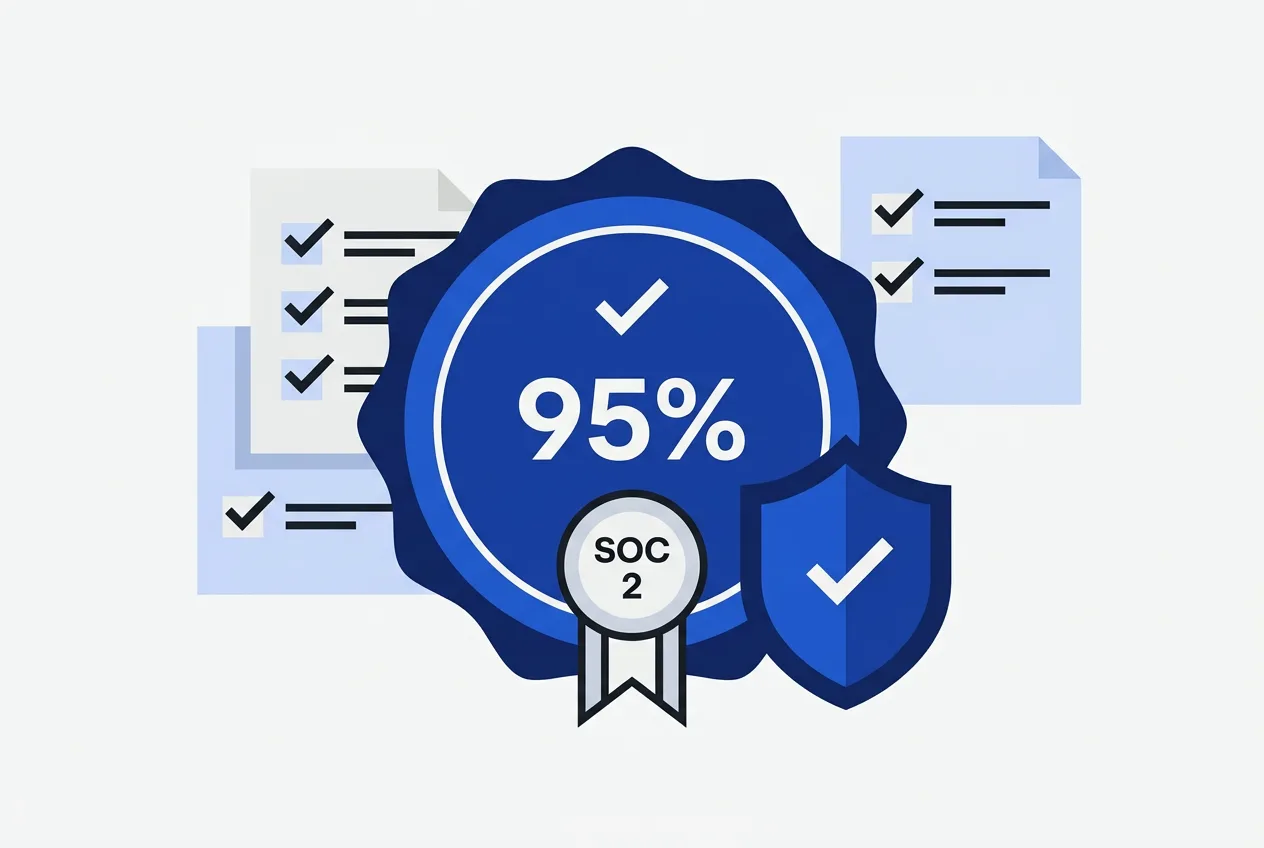
The SANS survey of more than 400 professionals found that 93 percent run production workloads in the cloud, yet only 21 percent use consolidated CNAPP tools. Budget increases reached 70 percent of respondents, but 49 percent still take longer than 24 hours to close known critical gaps. Supply-chain incidents, including the 2026 ConnectWise Cloud Backup credential exposure, illustrate how third-party backup tools can become single points of failure.
Organizations should request the most recent audit reports and test restore procedures quarterly. Relying solely on provider uptime guarantees leaves gaps when encryption keys or access policies are misconfigured by the customer.
Recovery Features Versioning and Immutability Options
Recovery capabilities differ sharply between consumer and enterprise offerings. Consumer services provide file versioning and deletion windows ranging from 30 days on basic plans to 10 years on Proton Drive paid tiers. Sync.com and Tresorit tie extended versioning to higher subscription levels. MEGA offers a 20 GB free tier with default end-to-end encryption but shorter recovery windows.
Enterprise object storage adds stronger safeguards. Google Cloud supports soft delete, object versioning and bucket-level retention locks. AWS S3 and Azure include compliance and governance lock modes that block deletion or overwrite for set periods. Acronis markets a recovery warranty of up to one million dollars when immutability and multi-factor authentication are active.
Common recovery mistakes include storing the sole copy of encryption keys inside the same account and failing to enable cross-region replication. Users who test restores after each policy change catch configuration errors before they become incidents.
| Provider | Encryption | Key Audits | Recovery Options | Starting Price |
|---|---|---|---|---|
| Tresorit | AES-256 zero-knowledge | ISO 27001, SOC 2, EY NIS2 | Versioning 30-365 days | $11.99/mo (1 TB) |
| Sync.com | AES-256 zero-knowledge | SOC 2 | Versioning plan-dependent | $8/mo (2 TB) |
| Proton Drive | AES-256 zero-knowledge | Securitum reviews | Up to 10 years versioning | $3.99/mo (200 GB) |
| MEGA | AES-256 zero-knowledge | Public client code, bug bounty | Standard versioning | Free 20 GB |
| pCloud | AES-256 (Crypto add-on) | ISO 27001 | Versioning on paid plans | Lifetime options |
Frequently asked questions
Which cloud storage services offer zero-knowledge encryption by default in 2026?
Tresorit, Sync.com, Proton Drive and MEGA apply client-side AES-256 encryption with zero-knowledge architecture on all paid plans. pCloud requires an extra paid folder add-on for the same protection.
How long do most providers keep deleted files available for recovery?
Consumer plans typically retain deleted files for 30 to 365 days depending on the tier. Proton Drive extends versioning up to ten years on higher subscriptions, while enterprise platforms use immutable object locks that can span years.
What audit reports should users request before choosing a provider?
Request the latest SOC 2 Type II, ISO 27001 and any regional compliance assessments such as NIS2 or DORA evidence. Public bug-bounty programs and client-source releases add further transparency for encryption implementations.
Do enterprise features like object lock reduce recovery time after incidents?
Yes. Immutability modes on AWS S3, Azure and Google Cloud prevent accidental or malicious overwrites during the retention period, which shortens the window needed to restore clean versions after a ransomware event or misconfiguration.
Comments 11