Cloud Storage Security 2026: Exposed Buckets and Data Protection Steps
In October 2026, researchers found 484,142 publicly listable cloud storage buckets holding 18.05 billion files. This guide outlines the exposure scale, main causes, and configuration steps that reduce risk.
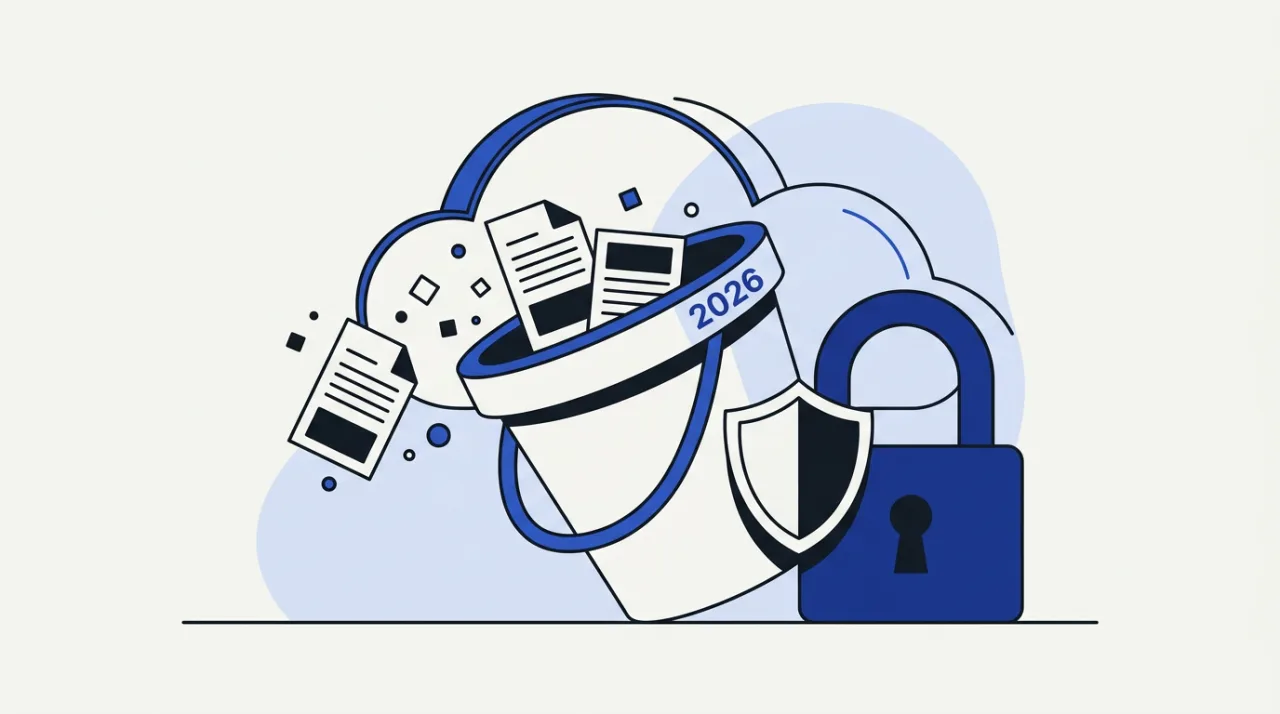
Cloud storage security 2026 remains a concern after a large-scale scan identified hundreds of thousands of misconfigured buckets. The Ransomnews Cloud Exposure Index recorded 484,142 publicly listable buckets containing roughly 18.05 billion files across major providers. These containers were discovered through search engine indexing rather than direct file access.
Amazon S3 accounted for the majority of the exposed buckets. The data included credentials, database dumps, and configuration files that could enable further attacks. Organizations continue to add files to public buckets at a rate of over 113 million items per week.
Cloud Storage Security 2026: Provider Breakdown and Exposure Scale
Amazon S3 represented 72 percent of the exposed buckets, or 347,984 containers. Azure Blob Storage followed at 14 percent with 68,532 buckets, while Google Cloud Storage held 11 percent with 53,131 buckets. Smaller shares appeared on DigitalOcean Spaces and Alibaba OSS.
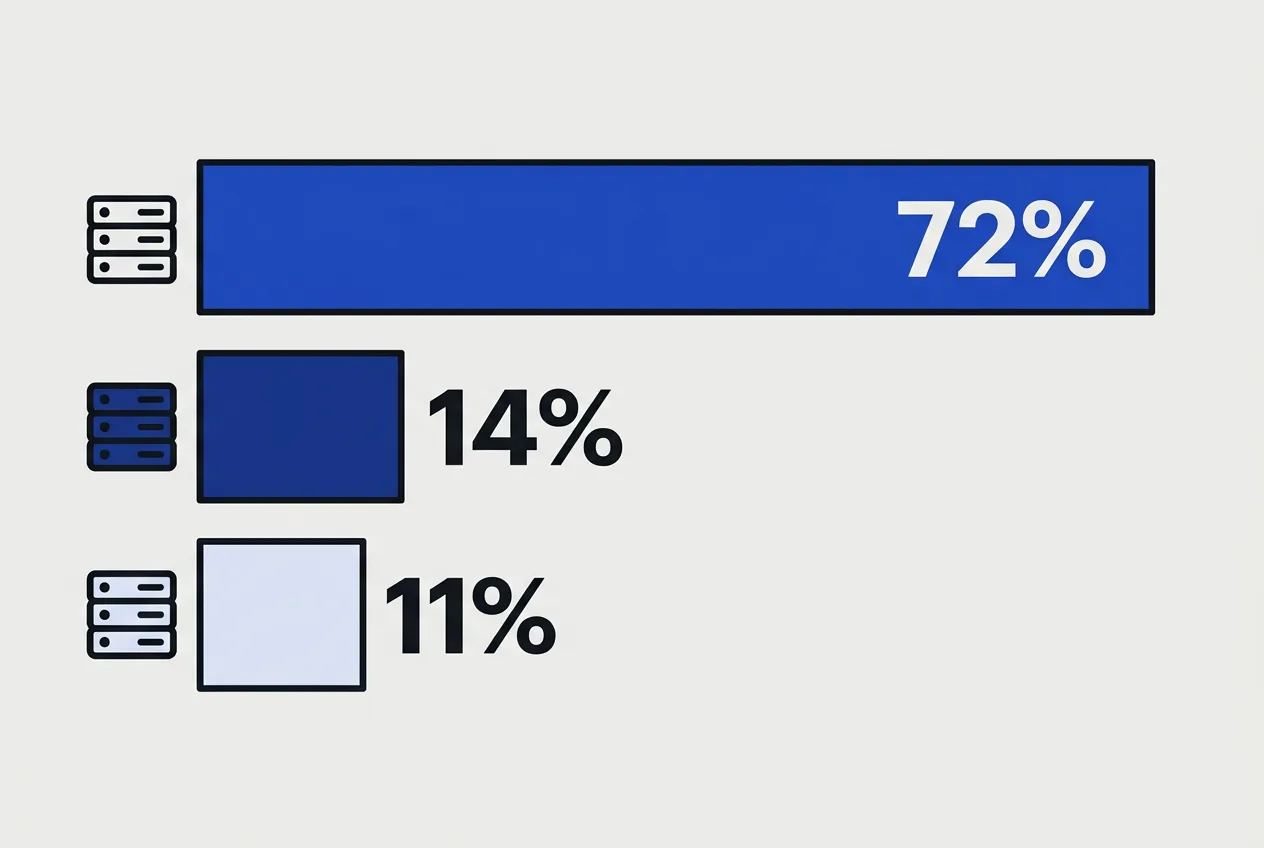
Azure buckets showed higher proportions of sensitive categories such as backups and payroll records. Across all providers, researchers flagged 321,058 files containing credentials or keys, including .env files and private certificates. Sixty-seven percent of the exposed .env files had been modified during 2026.
| Provider | Exposed Buckets | Share | Notable Content |
|---|---|---|---|
| Amazon S3 | 347,984 | 72% | Credentials, database dumps |
| Azure Blob | 68,532 | 14% | Backups, payroll files |
| Google Cloud Storage | 53,131 | 11% | Documents, keys |
The scale indicates that many exposures originated from older configurations created before default security settings were tightened. Writable buckets raise additional risks of tampering or supply-chain attacks.
Common Causes and Resulting Risks
Misconfigurations drive most exposures. Overly permissive bucket policies, disabled public access blocks, and grants to allUsers or allAuthenticatedUsers remain frequent. Leaked long-lived credentials and signed URLs also contribute. In many cases, teams set public access during testing and did not revert the settings.
Direct theft of personally identifiable information and secrets forms the primary risk. Exposed credentials can lead to broader account compromise. Compliance violations and ransomware vectors follow when attackers locate backups or internal documents. Regular addition of new files to public buckets shows that automated prevention controls are still not universally applied.
Configuration Steps That Reduce Exposure
Providers publish specific controls that address these issues. AWS recommends enabling all four S3 Block Public Access settings at the account level and switching to Bucket owner enforced mode to disable ACLs. Azure advises setting allowBlobPublicAccess to false on storage accounts and using private endpoints with user-delegation SAS tokens. Google Cloud supports organization-level storage.publicAccessPrevention together with uniform bucket-level access.
Additional measures include least-privilege IAM roles that rely on short-lived credentials, encryption at rest and in transit, object versioning, and immutable retention policies such as Object Lock. Detailed logging through CloudTrail data events or equivalent services helps detect new exposures quickly. Teams should run periodic scans for sensitive file types and rotate any credentials found in public locations.
Separating public-facing content into dedicated buckets and enforcing organization-wide defaults prevents accidental sharing. Automated CSPM tools combined with clear incident playbooks allow faster containment when misconfigurations occur.
Frequently asked questions
How many cloud storage buckets were found exposed in October 2026?
The Ransomnews index identified 484,142 publicly listable buckets containing 18.05 billion files. Amazon S3 held the largest share at 72 percent.
What file types most often contain exposed credentials?
.env files and private certificates accounted for 321,058 flagged items. Many of these files were updated during 2026.
Which provider settings prevent public bucket access?
AWS uses Block Public Access at account level. Azure sets allowBlobPublicAccess to false. Google Cloud applies storage.publicAccessPrevention at the organization level.
How often are new files added to exposed buckets?
At least 113.6 million files entered publicly listable buckets in one seven-day period in September 2026.
Comments 4