CloudCasa MCP Server Enables AI Agents to Manage Dell PowerStore Disaster Recovery
The CloudCasa MCP server gives AI agents direct access to disaster recovery functions while the Dell PowerStore integration keeps persistent volume data on native hardware.
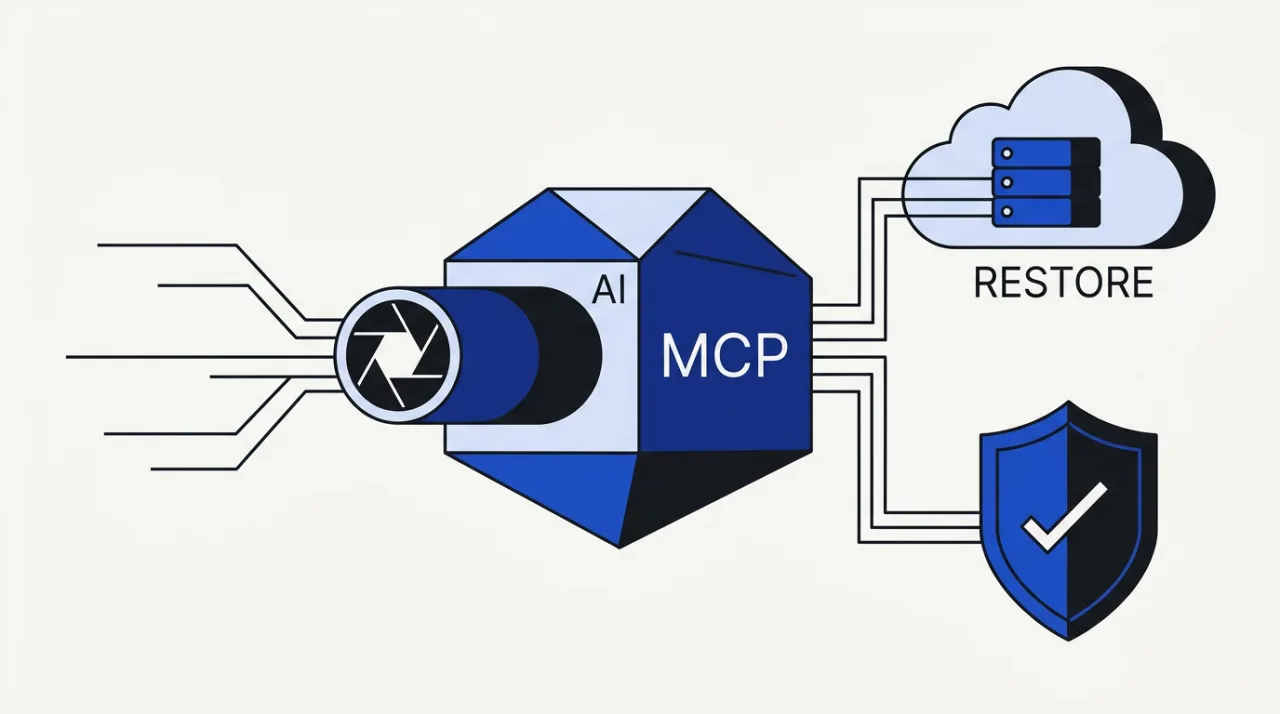
The CloudCasa MCP server, released October 27, 2026, lets compatible AI agents query and act on Kubernetes backup and disaster recovery data without using the product dashboard. Paired with new Dell PowerStore support, the update lets platform teams keep persistent volume copies on the storage array while automation handles workload recovery across clusters.
CloudCasa continues to run as a SaaS or self-hosted platform that protects Kubernetes workloads and KubeVirt virtual machines. It uses lightweight agents inside clusters and integrates with Velero for core backup operations.
CloudCasa MCP Server Capabilities for AI Agents
The Model Context Protocol server exposes CloudCasa functions through an API that AI tools can call directly. Agents can now request protection status, list recovery points, or trigger failover operations for Deployments, StatefulSets, and PVCs. This removes the need to switch between the CloudCasa interface and other monitoring or orchestration tools.
Platform teams gain a single point where AI assistants pull current DR posture alongside data from logging, cost, or security systems. The integration keeps all persistent volume data on the storage array; CloudCasa only tracks inventory and orchestrates the Kubernetes objects that must be recreated on the target cluster.
Users can test the MCP server with any client that supports the protocol. Typical queries include checking the last successful backup of a namespace or confirming array-to-array replication status before initiating failback. Because the server is generally available, teams can deploy it in production monitoring stacks immediately.
Dell PowerStore Integration and Supported Storage Options
CloudCasa now treats Dell PowerStore as a first-class storage array for disaster recovery. Replication of persistent volumes occurs array-to-array using either synchronous or asynchronous modes controlled through the PowerStore REST API and CSI driver. CloudCasa automates the Kubernetes-aware steps that bring applications and KubeVirt VMs online after a failover.
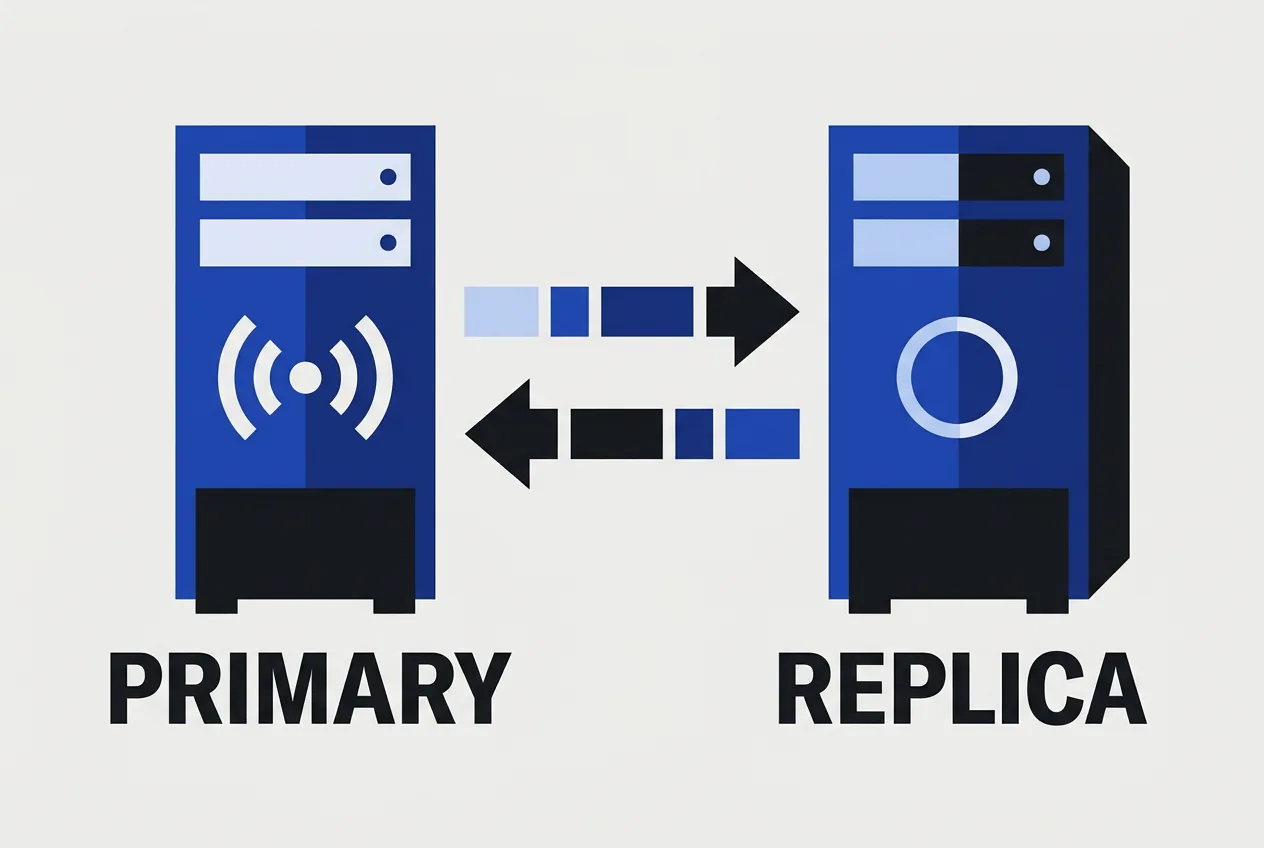
The feature joins existing support for HPE Alletra Storage MP B10000, HPE Alletra 9000, and SUSE Storage. All listed arrays keep data paths local; CloudCasa never routes volume content through its own services. A side-by-side view of the current supported arrays appears below.
| Storage Array | Replication Modes | VM Support | Availability |
|---|---|---|---|
| Dell PowerStore | Sync / Async | KubeVirt | GA |
| HPE Alletra MP B10000 | Sync / Async | KubeVirt | GA |
| HPE Alletra 9000 | Sync / Async | KubeVirt | GA |
| SUSE Storage | Async | KubeVirt | GA |
A preview of Changed Block Tracking for virtual machine backups reduces the amount of data read during each job. The CBT capability remains in preview while the storage integrations and MCP server are generally available. Teams evaluating the release can enable the MCP server first, then add Dell PowerStore arrays as DR targets without waiting for CBT to exit preview.
Before production rollout, administrators should verify that the PowerStore CSI driver version meets CloudCasa requirements and that array credentials are stored securely. Typical first steps include creating a DR policy that maps source and target clusters, confirming replication is active, and testing a single namespace failover. The same policy can later be referenced by AI agents through the MCP server for automated status checks.
Frequently asked questions
How does the CloudCasa MCP server work with AI agents?
The server exposes CloudCasa functions through the Model Context Protocol so agents can query protection status, list recovery points, and trigger operations without opening the web interface.
Does CloudCasa route Dell PowerStore data through its own systems?
No. Persistent volumes stay on the Dell array. CloudCasa tracks Kubernetes objects and orchestrates failover using the array REST API and CSI driver.
Which storage arrays does CloudCasa support for disaster recovery?
Dell PowerStore, HPE Alletra Storage MP B10000, HPE Alletra 9000, and SUSE Storage are currently supported. All keep volume data on the native array.
Is Changed Block Tracking for VMs available now?
Changed Block Tracking remains in preview. The MCP server and Dell PowerStore integration are generally available.
Comments 9