CoinDCX Wallet Breach Drains 16 Million USDT from Retired Addresses
CoinDCX lost 15.99 million USDT from retired deposit addresses after a sweeping system failed. Customer funds in cold storage were unaffected.
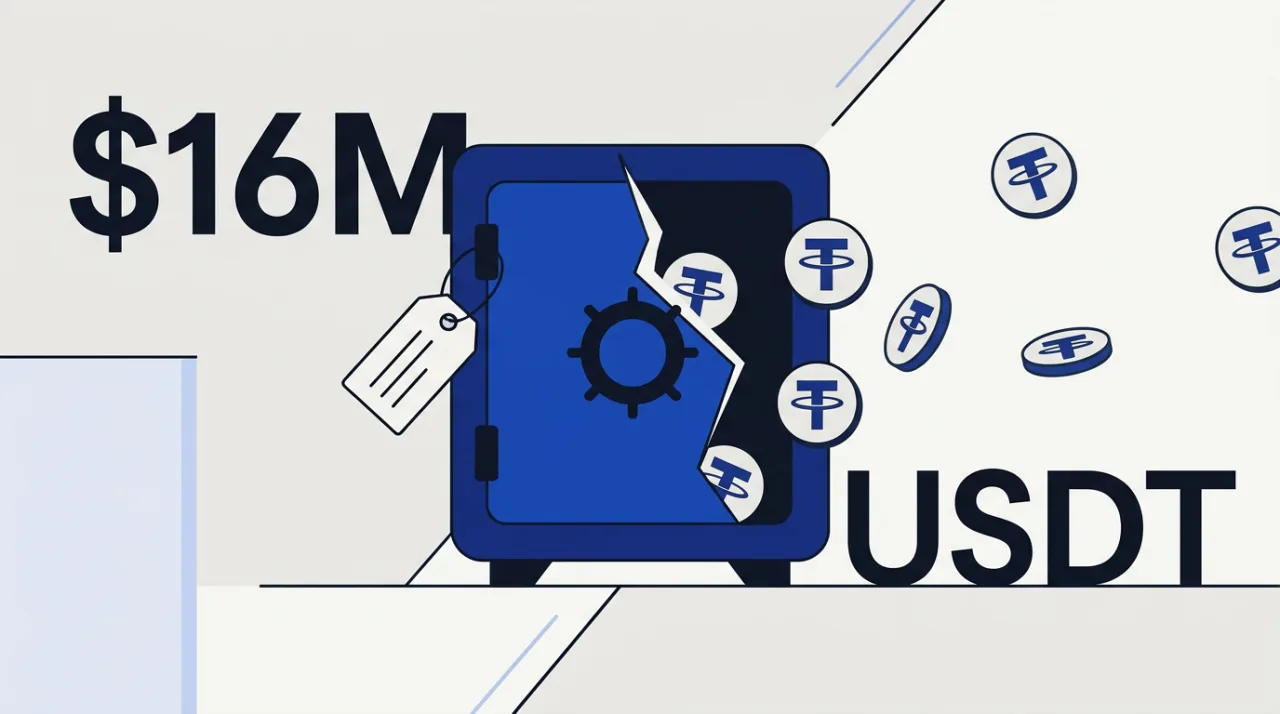
CoinDCX wallet breach resulted in the loss of approximately 15.99 million USDT and 5,784 TRX from around 40 TRON deposit addresses on or around October 21, 2026. The exchange confirmed the incident on October 25 and stated it would cover the full amount from its own reserves. No user balances were affected because customer assets remain in segregated cold wallets.
The addresses dated back to January 2025 and had been deprecated after the exchange’s July 2025 hack. An automated sweeping mechanism intended to move stray deposits failed, allowing funds to accumulate. Attackers drained the wallets once unusual activity was spotted on October 21.
CoinDCX Wallet Breach Timeline and Technical Details
The compromised addresses originated from CoinDCX’s January 2025 infrastructure and were left active after the July 2025 incident that removed 44 million dollars from an internal liquidity wallet. CoinDCX had marked the addresses as retired, yet the sweeping system continued to route deposits into them until at least May 2026 in some cases. On October 21 the funds were moved to a consolidating address and then split toward deposits at other exchanges.
Investigators at Bitquery and on-chain analysts noted that CoinDCX’s own systems still processed transactions through the addresses on the day of the drain. CEO Sumit Gupta initially described early reports as a false alarm because the wallets were old. The exchange later issued a blog update confirming the operational loss and pledged to strengthen monitoring of decommissioned systems.
Key facts from the incident include:
- 15.99 million USDT plus 5,784 TRX removed from 40 addresses.
- Addresses had been deprecated since the 2025 hack but still received deposits.
- Tether froze 2.21 million USDT across nine linked addresses on October 22.
- Trading, deposits, and withdrawals continued without interruption.
Users who sent deposits to the old addresses received credit from CoinDCX. The exchange advised customers to verify current deposit addresses through the app or website before future transfers.
Impact on User Funds and Cold Storage Practices
CoinDCX stated that all customer funds stayed in segregated cold wallets protected by multi-layer offline controls. The drained addresses held only operational liquidity that had accumulated due to the failed sweep process. This separation prevented direct loss for account holders.
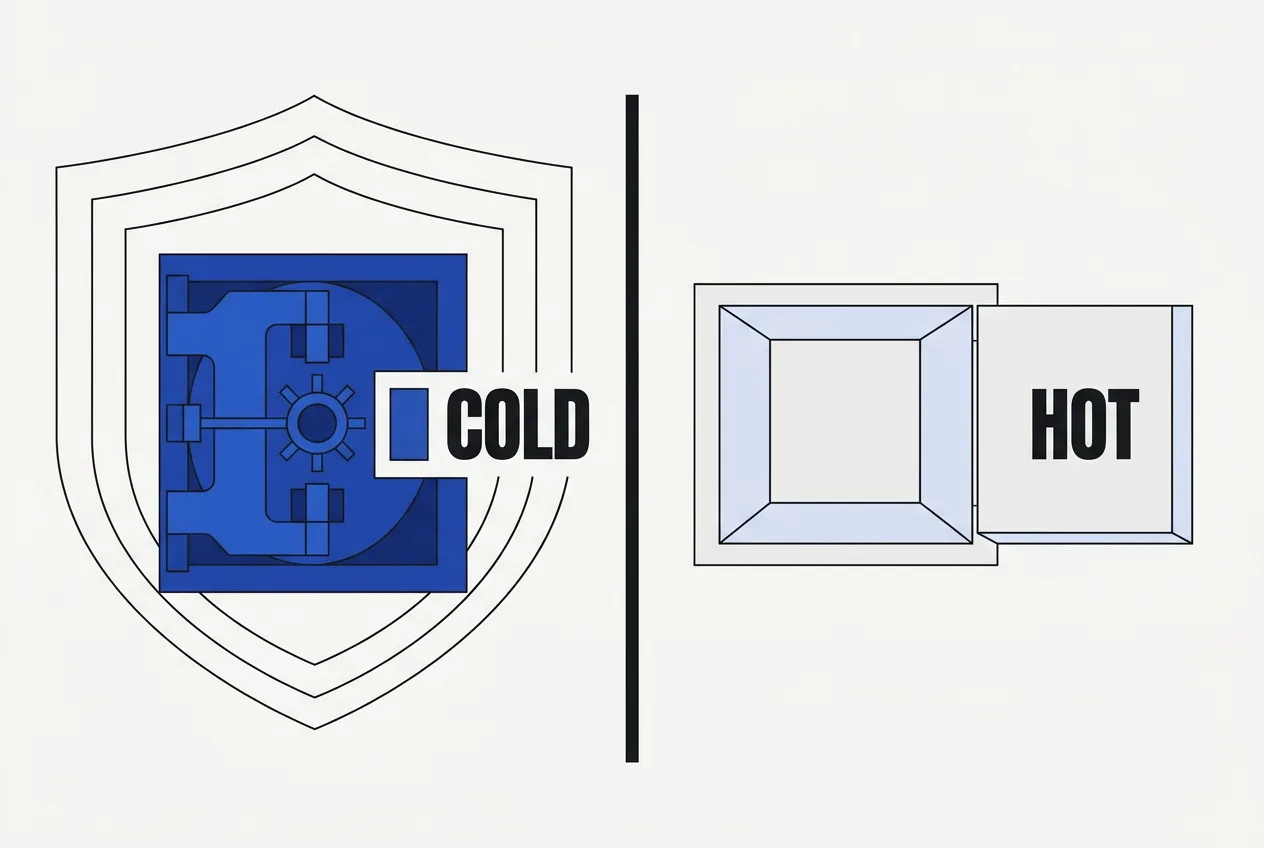
The event highlights the difference between hot deposit infrastructure and cold storage. CoinDCX has maintained since the July 2025 incident that user assets are never commingled with operational wallets. The October 2026 loss came entirely from the exchange’s reserves.
Comparison of the two CoinDCX incidents:
| Incident | Date | Amount Lost | Wallet Type | User Impact |
|---|---|---|---|---|
| July 2025 hack | July 2025 | $44 million | Internal liquidity | None; company absorbed loss |
| October 2026 drain | October 2026 | $16 million | Retired deposit addresses | None; company absorbed loss |
Similar patterns appear in other exchange incidents, such as the WazirX breach covered in a separate analysis on this site. Both cases show that even deprecated infrastructure can retain value if sweeping processes are incomplete.
Practical steps for users include confirming deposit addresses each time and enabling withdrawal whitelists where available. Exchanges that publish regular proofs of reserves and cold-storage audits provide additional transparency on asset segregation.
Frequently asked questions
Were any CoinDCX user funds lost in the October 2026 incident?
No. CoinDCX confirmed that customer balances remained in segregated cold wallets and were not affected. The exchange absorbed the 16 million USDT loss from its own reserves.
Why did the sweeping system fail to move deposits from the old addresses?
CoinDCX has not disclosed the exact technical reason. The addresses were deprecated after the 2025 hack, yet the automated process stopped working for an unknown period, allowing funds to accumulate.
What happened to the stolen USDT after the drain?
Funds moved to a consolidating address and were then split toward deposits at other exchanges. Tether froze 2.21 million USDT across nine addresses on October 22, but full recovery details remain unavailable.
How does CoinDCX protect customer deposits after the breach?
The exchange states that user assets stay in multi-layer cold wallets kept offline. It also reminded users to verify current deposit addresses through the official app or website before sending funds.
Comments 8