Coins.ph Self-Custody Wallets Blocked: Philippines Travel Rule Changes and User Options
Coins.ph stopped direct transfers to and from self-custody wallets on November 19, 2026, citing BSP Travel Rule requirements. The change affects 18.6 million users and applies to all external transactions.
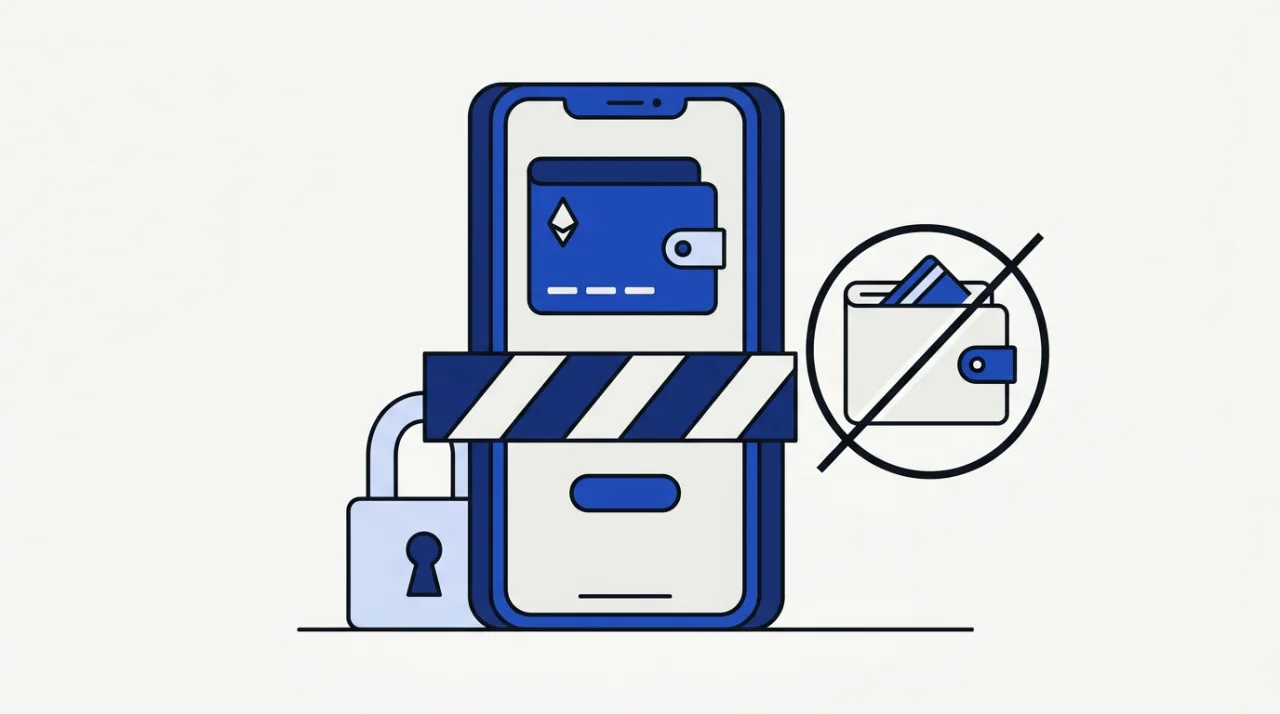
Coins.ph ended support for direct deposits from and withdrawals to self-custody wallets on November 19, 2026. The platform now routes external transfers only through accounts at other regulated exchanges. Users must supply counterparty details for every transaction.
The restriction applies to all 18.6 million Coins.ph users and covers every external transfer without any amount threshold. Internal transfers between Coins.ph accounts continue without change. API endpoints were updated on the same date.
Coins.ph Self-Custody Wallets Blocked Under Philippines Travel Rule
Coins.ph stated that self-custody wallets are no longer supported. The company requires users to provide the counterparty name, wallet address, wallet type, exchange or platform name, and purpose of transaction for every outgoing transfer. Deposits from unsupported sources are returned after network fees, while withdrawals to unsupported wallets fail and keep funds inside the account.
CEO Wei Zhou confirmed that transfers to regulated exchanges, whether domestic or international, remain permitted. No public list of approved counterparties has been released. Pending deposits stay on hold until verification completes. The support notice was updated on November 21, 2026.
Users can add frequent counterparties to the Coins.ph Address Whitelist to streamline repeated transfers. All external activity must now pass through an intermediary regulated exchange before reaching a self-custody wallet or returning to Coins.ph.
Regulatory Background and Policy Scope
The policy follows BSP Circular No. 1108 from 2021, which implemented FATF Travel Rule standards for virtual asset service providers. A December 2023 memorandum added enhanced due diligence requirements for unhosted wallets. BSP guidance permits collection of transaction information but does not require a complete ban on self-custody transfers.
Coins.ph chose the stricter approach of non-support. The decision came after the BSP issued a partial suspension on DCPay Philippines Inc. in September 2026. The change affects every external transfer regardless of size and applies uniformly across the platform.
Deposits arriving from unsupported addresses trigger return procedures that deduct network fees. Some returns require manual review. Withdrawals to unhosted wallets are rejected automatically. No reversal timeline has been announced.
User Options After the Restriction
Users who need to move funds outside Coins.ph must first transfer to another regulated exchange and then onward to the final destination. This adds steps and potential fees compared with direct self-custody transfers.
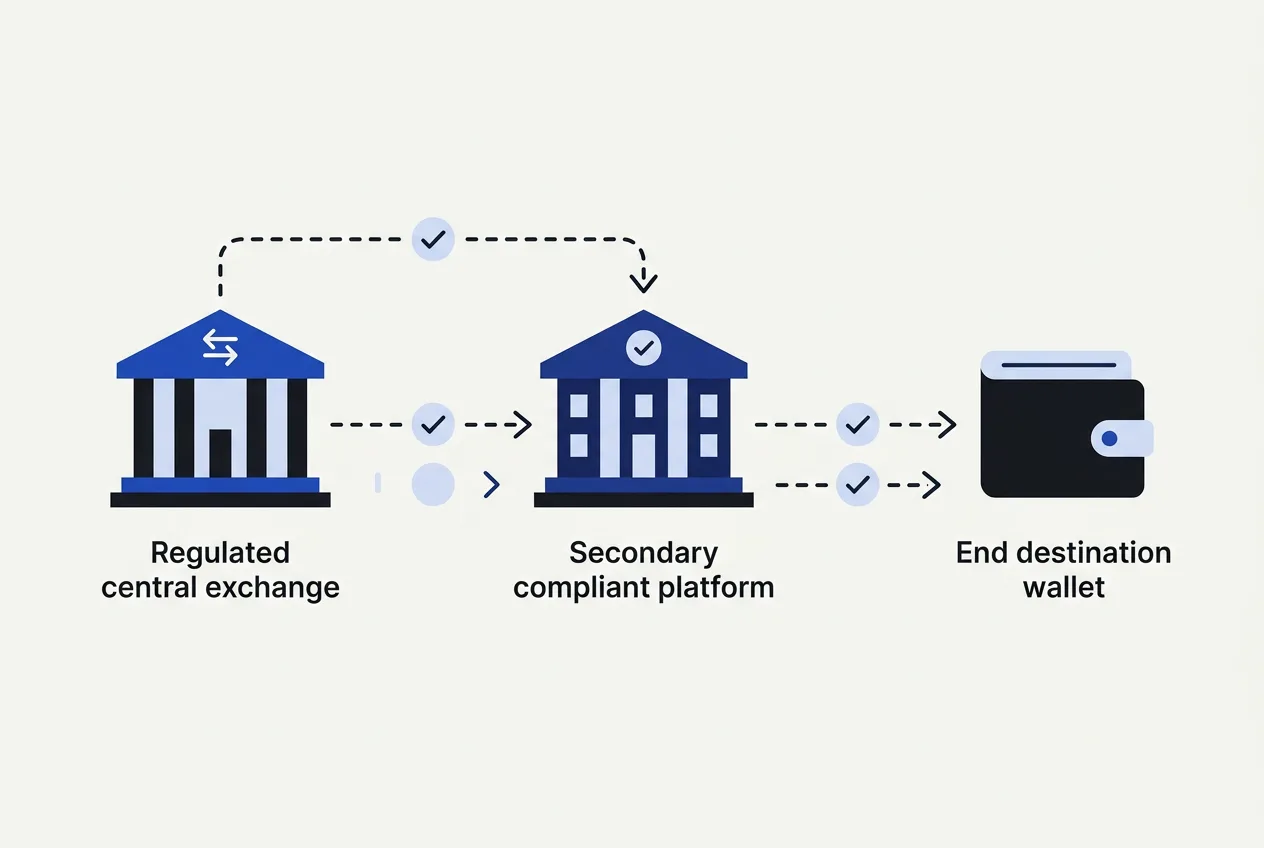
The platform allows whitelisting of specific addresses for frequent counterparties. Users should update the Coins.ph mobile app to access the new transaction forms that collect required details. Self-custody workflows now require planning around intermediary accounts.
Typical mistakes include attempting direct withdrawals to personal wallets, which fail immediately, and failing to supply complete counterparty information, which delays processing. Users holding assets on Coins.ph should review their external transfer patterns and identify suitable regulated exchanges in advance.
Frequently asked questions
What changed for Coins.ph users on November 19, 2026?
Coins.ph stopped accepting deposits from and sending withdrawals to self-custody wallets. External transfers must now go through accounts at other regulated exchanges, and every transaction requires counterparty details.
Does the restriction apply to all transfer amounts?
Yes. The policy covers every external transfer without a minimum threshold. Internal transfers between Coins.ph accounts remain unaffected.
How can users move funds to self-custody wallets now?
Users must first send assets to a regulated exchange account, then transfer onward from that exchange. The Coins.ph whitelist feature can store details for repeated counterparties.
What happens to deposits from unsupported wallets?
Such deposits are returned after network fees are deducted. Some cases require manual review before the return is processed.
Comments 8