Crypto Exchange Security 2026: Post-Binance Hack Measures Across Platforms
Exchanges responded to the October 2026 Binance theft with tighter controls on hot wallets, employee access, and real-time monitoring of stolen funds.
Crypto exchange security 2026 now centers on concrete changes made after the October 29 incident that removed $6.3 billion from Binance hot wallets. The breach, attributed to North Korea-linked actors, prompted immediate halts on withdrawals and deposits at the affected platform and quick reviews elsewhere.
Immediate Actions Taken by Binance and Other Exchanges
Binance froze activity on the day of the theft, revoked compromised authorizations, and began replenishing funds from its corporate treasury and futures insurance fund. By November 2 the exchange had covered 95 percent of losses, leaving only less-liquid tokens to restore through market operations. Customer balances remained intact throughout the process, and phased withdrawals restarted on November 1 across 15 networks.
Other platforms adjusted systems without suffering direct losses. Coinbase modified cold-storage procedures and blocked transfers to known compromised addresses. Kraken increased monitoring of similar incidents while confirming no internal compromise. OKX initiated a full review of wallet permissions, employee access rights, and AI-related risks, while Gemini introduced additional alerts on large fund movements.
| Exchange | Key Change | Implementation Date |
|---|---|---|
| Binance | Zero-knowledge proof of reserves snapshots | October 31, 2026 |
| Coinbase | Updated cold-storage approvals | October 30, 2026 |
| OKX | Real-time stolen-fund tracking | November 1, 2026 |
| Kraken | Incident monitoring protocols | October 31, 2026 |
South Korean regulators directed local platforms to raise cold-storage ratios above 80 percent and to tighten hot-wallet approval processes. These steps addressed the specific vector used in the attack, a compromised DevOps laptop that granted access to withdrawal services.
Longer-Term Protocol Improvements and User Protections
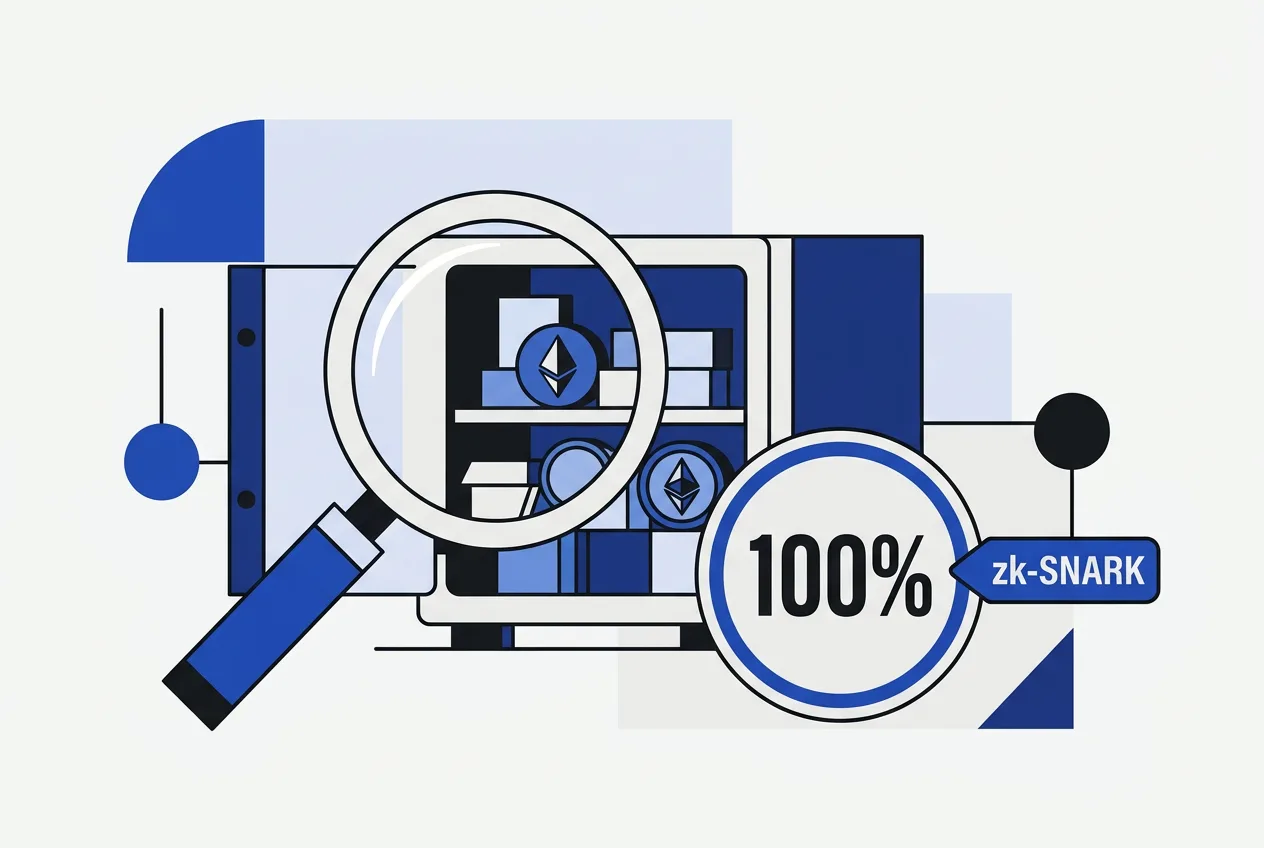
Binance published a new proof-of-reserves snapshot on October 31 showing 100 percent backing for ten major assets and completed a zk-SNARK verification two days later. Users can now check reserves through an open-source tool. The next snapshot, scheduled for November 4, will cover additional tokens.
Industry calls have focused on faster information sharing. OKX CEO Star Xu proposed a real-time alert system that would allow coordinated freezes across platforms. Tether and Circle froze roughly $2.35 billion in stablecoins linked to the theft, demonstrating the value of issuer-level controls. Exchanges are also increasing second-level latency monitoring of on-chain movements to catch laundering attempts earlier.
Users should verify that any exchange they use publishes regular, independently auditable proof-of-reserves data and maintains cold-storage ratios above 80 percent. Checking withdrawal address blacklists and enabling all available withdrawal confirmations remain basic but effective steps. Full incident reports from Binance and regulatory updates are still expected once law-enforcement tracing concludes.
Frequently asked questions
What proof-of-reserves changes did Binance introduce after the hack?
Binance released a snapshot on October 31 covering ten major tokens and completed a zk-SNARK proof by November 2. A follow-up snapshot is set for November 4 with more assets included.
Which platforms adjusted cold-storage rules after the incident?
Coinbase revised its cold-storage and phone verification processes. South Korean regulators instructed local exchanges to raise cold-storage holdings above 80 percent of assets.
How are stolen funds being monitored now?
OKX implemented second-level tracking of known stolen addresses. Issuers such as Tether and Circle froze over $2.3 billion in stablecoins linked to the theft.
What should users check before using an exchange?
Users should confirm recent proof-of-reserves reports, cold-storage ratios, and withdrawal blacklisting features. Enabling all available confirmation steps on accounts adds another layer of protection.
Comments 3