EchoFile Cloud File Sharing 2026 Pilot Tests Direct Transfers Between Drive Dropbox and SharePoint
EchoFile launched a pilot in October 2026 to move files directly between Google Drive, Dropbox and SharePoint without downloads or duplicate storage.

EchoFile began a pilot program on 13 October 2026 to let organizations transfer files directly between Google Drive, Dropbox and Microsoft SharePoint. The service acts as a connector rather than another storage platform, so teams avoid downloading, re-uploading and maintaining extra copies. Early participants test real client and partner workflows across industries.
EchoFile Cloud File Sharing 2026 Addresses Multi-Platform Friction
Many organizations maintain separate subscriptions because different partners and clients prefer different platforms. Google Drive suits internal collaboration, Dropbox handles external links, and SharePoint integrates with Microsoft tools. Switching between them usually requires manual steps that consume time and create version conflicts.
EchoFile routes files through secure connections that preserve metadata and access controls. The pilot evaluates performance on typical tasks such as client deliverables, agency hand-offs and vendor updates. It measures time saved, error rates and security compliance across these flows.
Feedback collected during the pilot will shape future integrations and usage guidelines. No independent performance data exists yet because the program remains in its first weeks.
Practical Steps for Organizations Considering the Pilot
Teams first review their current file-sharing patterns and identify the three platforms most often involved. They then register at echofi.io to receive onboarding details and access credentials for the test environment.
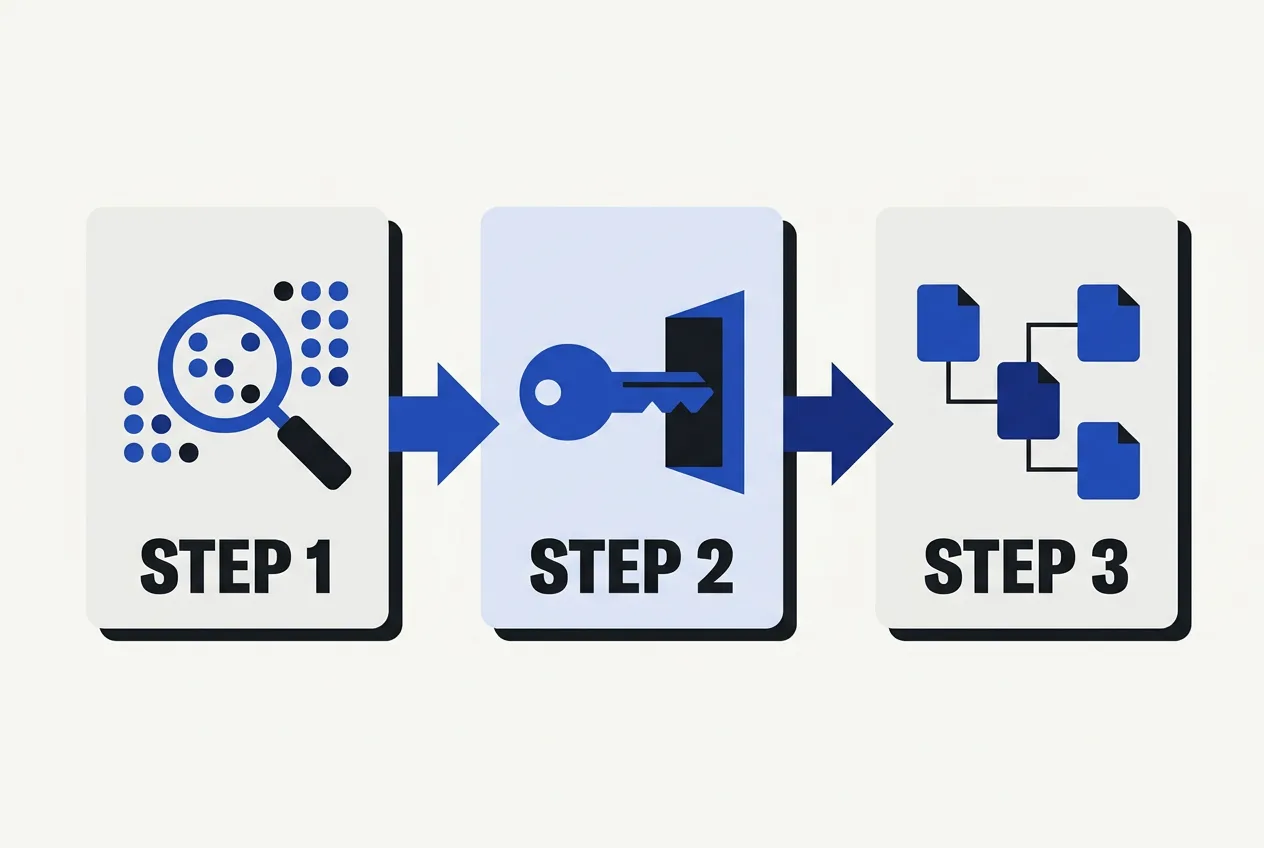
During the test period participants log transfer times, note any permission issues and report on overall workflow impact. The pilot focuses on active projects rather than synthetic benchmarks, so results reflect daily collaboration needs.
Key considerations include data residency rules and existing retention policies. Because EchoFile does not store copies, organizations retain control over source and destination systems while testing the connector.
| Method | Steps required | Storage impact | Version control |
|---|---|---|---|
| Manual download-upload | 4–6 per file | Duplicates created | Risk of overwrites |
| EchoFile connector | 1–2 selections | No extra copies | Preserved from source |
Current Limitations and Next Steps
The pilot remains open only to organizations that apply; no public timeline for general release has been published. Available information comes solely from the October 13 announcement, with no third-party audits or usage statistics released as of 18 October 2026.
Potential users should track updates at echofi.io and prepare internal security reviews before committing production files. The connector’s value will become clearer once participant feedback and any expanded feature list appear.
Frequently asked questions
How does EchoFile move files without storing them?
The service creates direct connections between the source and destination platforms so files stream from one to the other. No intermediate storage copy is retained by EchoFile.
Who can join the EchoFile pilot?
The program is open to organizations that apply through echofi.io. Participants must handle real client or partner file workflows during the test period.
What platforms does the pilot currently support?
The initial scope covers transfers among Google Drive, Dropbox and Microsoft SharePoint. Additional platforms may be added after pilot feedback is reviewed.
When will full results from the pilot be available?
No release date has been announced. Evaluation of participant data will determine any public launch timeline and additional features.
Comments 9