EchoFile Cloud-to-Cloud File Sharing Pilot Tests Direct Transfers Between Drive Dropbox and SharePoint
EchoFile launched a pilot on October 13, 2026, to test direct file transfers between Google Drive, Dropbox and SharePoint without downloads or extra copies.
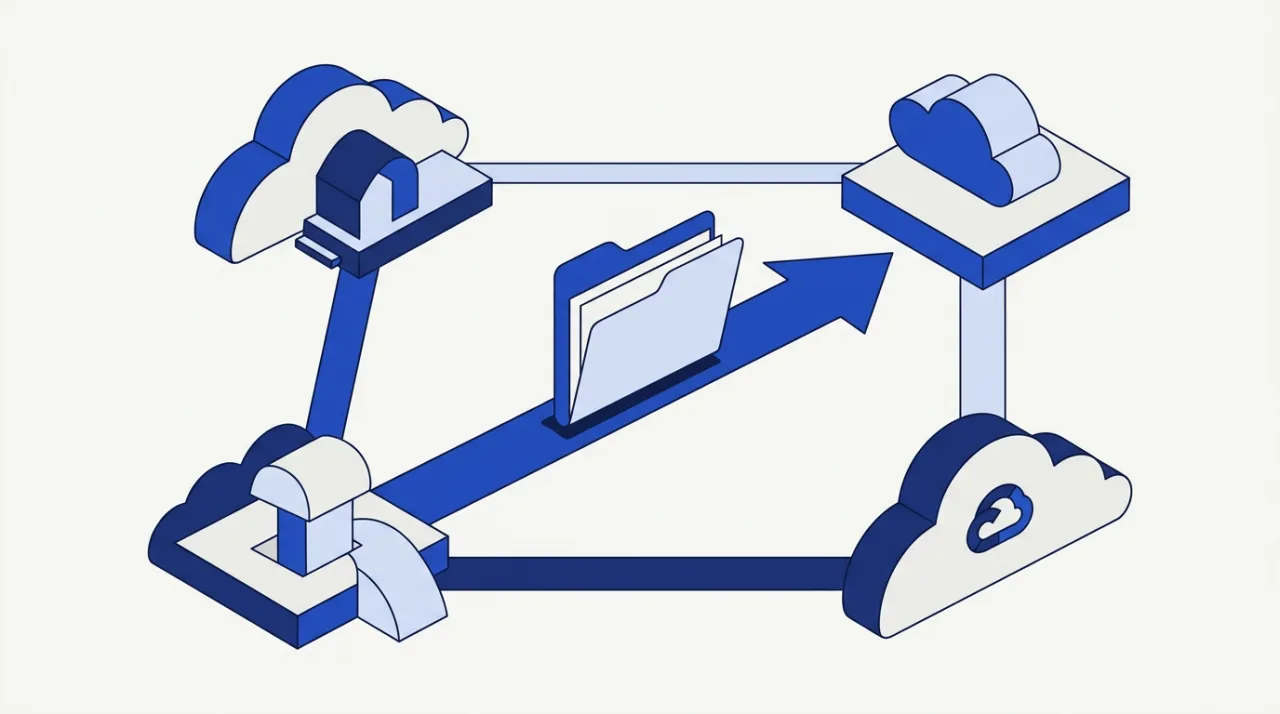
EchoFile introduced a pilot program on October 13, 2026, that connects Google Drive, Dropbox and Microsoft SharePoint for direct file movement and sharing. The service operates as a connector rather than additional storage, routing files between existing platforms without requiring downloads or duplicate uploads.
EchoFile Functions as a Connector Between Existing Platforms
The tool routes files from one cloud account to another while preserving original permissions and metadata where supported. Users select source and destination folders across the three platforms, then initiate transfers or ongoing shares through the EchoFile interface. This approach keeps files in their primary locations and avoids the storage bloat that occurs when teams maintain separate copies for each collaborator.
Organizations that work with external agencies, vendors or clients often maintain different primary clouds. EchoFile targets these mixed environments by linking accounts without forcing migration or new repository creation. The pilot collects data on transfer speeds, permission handling and integration stability across real client workflows.
Security claims center on preserving existing access controls rather than introducing a central storage point. No performance benchmarks or encryption specifics beyond the initial announcement have been published as of October 17, 2026.
Pilot Scope, Participation and Evaluation Criteria
Lauren Spivey Smith, founder and CEO based in Charleston, South Carolina, started the project after observing repeated manual file movements between client systems. The pilot measures usability, time savings, effects on project timelines and patterns of cross-industry use. Feedback will shape future integrations and recommended practices.
Interested organizations can apply at echofi.io. No participant count, timeline length or preliminary results have been released. The program remains open while the company gathers operational data from active environments.
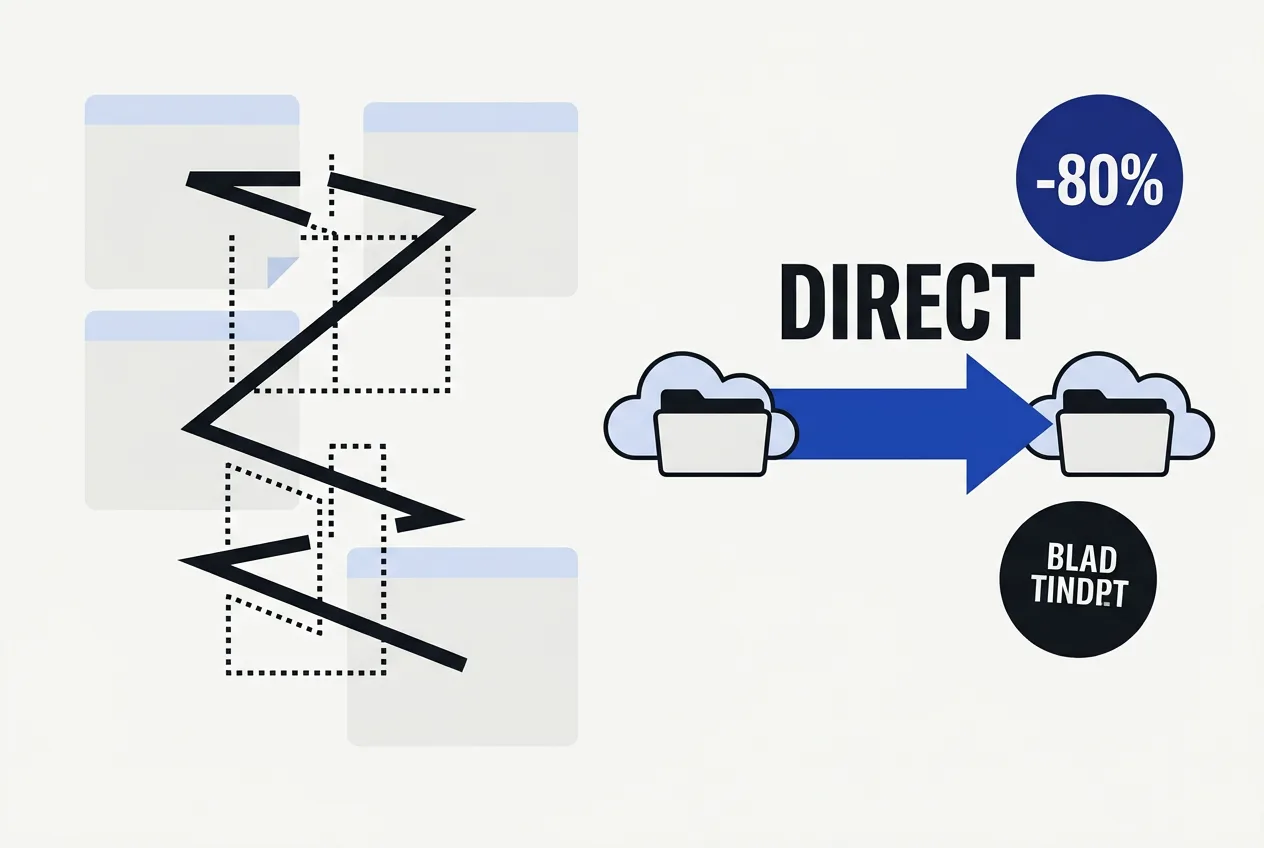
| Aspect | Traditional Manual Transfers | EchoFile Pilot Connector |
|---|---|---|
| File movement | Download then upload | Direct between platforms |
| Storage impact | Duplicates created | Original locations preserved |
| Permission handling | Manual re-application | Attempts to carry over existing controls |
| Workflow change | Requires new copies | Keeps current folder structures |
Teams should verify permission inheritance and audit logs after each transfer during the pilot phase. Organizations handling regulated data may need to review connector access policies before enrollment.
Practical Steps for Testing Multi-Cloud Transfers
Begin by mapping current folder structures and identifying the most frequent cross-platform exchanges. Register participating accounts through the EchoFile dashboard and grant the minimum permissions required for the connector to function. Run small test transfers of non-sensitive files first to confirm metadata retention and access continuity.
Document transfer times and any permission discrepancies for later comparison against pilot metrics once published. Maintain backup copies outside the connected clouds until the service demonstrates consistent behavior in production-like conditions.
Monitor account activity logs on each platform during the test period. Revoke connector access immediately if unexpected permission changes appear. The pilot currently supports only the three named platforms with no announced timeline for additional integrations.
Frequently asked questions
How does EchoFile avoid creating duplicate files?
The service routes files directly between connected platforms instead of downloading and re-uploading them, leaving originals in place.
Which platforms does the current pilot support?
The pilot connects Google Drive, Dropbox and Microsoft SharePoint only.
Is participation open to any organization?
Organizations can apply through echofi.io; acceptance depends on fit with the evaluation criteria.
What happens to file permissions during transfers?
The connector attempts to maintain existing controls, though users must verify outcomes during testing.
When will full performance data be available?
No release date for metrics or expanded rollout has been announced.
Comments 3