Exposed Cloud Buckets 2026: Scale of Misconfigurations and Remediation Steps
Ransomnews data from October 2026 found 484,142 publicly listable buckets holding 18.05 billion files. This guide outlines the exposure scale and practical steps to secure cloud storage.
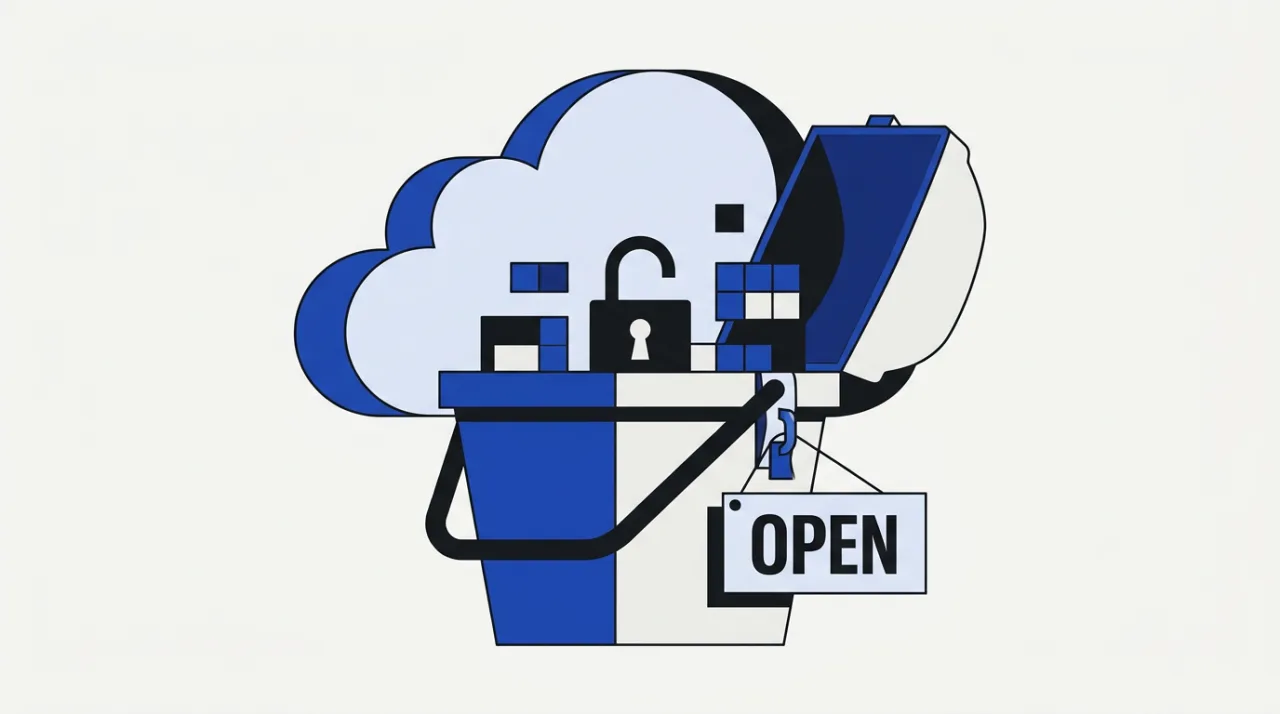
Exposed cloud buckets 2026 remain a widespread issue after a single October snapshot identified hundreds of thousands of publicly accessible containers. The Ransomnews Cloud Exposure Index recorded 484,142 listable buckets containing roughly 18.05 billion files across major providers. Most cases trace to configuration errors rather than deliberate public sharing.
Scale of Exposed Cloud Buckets 2026
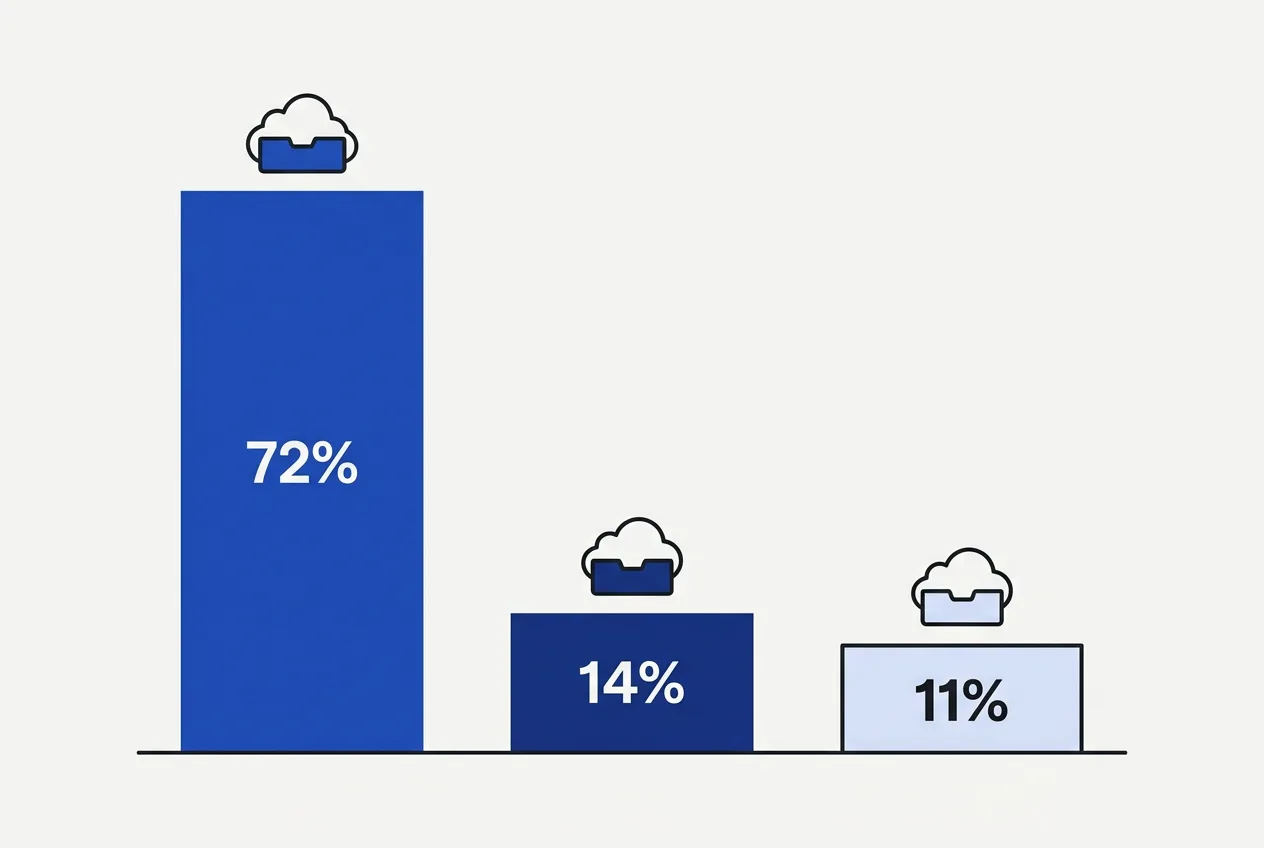
Amazon S3 accounted for 347,984 of the exposed buckets, or 72 percent of the total. Azure Blob Storage followed with 68,532 buckets (14 percent) and Google Cloud Storage with 53,131 buckets (11 percent). Smaller shares appeared on DigitalOcean Spaces and Alibaba OSS.
The same dataset flagged 321,058 files containing credentials or keys, including 80,495 .env files of which 67 percent had been modified in 2026. Additional sensitive items included database dumps, backups, and payroll records, with Azure hosting a disproportionate share of backup files. These exposures allow anyone to enumerate contents without authentication.
Public access persists because many organizations still operate legacy buckets created before stricter defaults and because configuration drift occurs during deployments. Providers now set Block Public Access on by default for new resources, yet older assets and manual changes continue to create openings.
Common Causes and Risks
Misconfigurations typically involve bucket policies that grant read or write access to any principal, legacy access control lists left enabled, and missing or disabled Block Public Access settings. Overly broad IAM roles and inherited permissions from infrastructure-as-code templates also contribute. Public access is frequently enabled for testing and then forgotten.
The resulting risks include direct data exfiltration, theft of credentials that enable further network compromise, and use of buckets as staging areas for ransomware. Attackers can overwrite objects to conduct supply-chain attacks or trigger regulatory penalties when personal or financial data is exposed.
Broader cloud security indexes show that between 76 and 98 percent of accounts exhibit at least one weak control. Rapid adoption of cloud storage without continuous monitoring keeps the problem active even after providers tightened defaults.
Remediation Steps for Cloud Storage
Begin by inventorying every bucket or container, recording owners, policies, ACLs, and data sensitivity. Use cloud security posture management tools, Access Analyzer, or equivalent services to automate discovery. Run the inventory at the organization level to capture resources created outside standard processes.
Next, enable all four Block Public Access settings at the account and organization level before adjusting individual buckets. Then remove any public grants by deleting policies that reference "Principal": "*", stripping public ACLs, and setting containers to private. Where possible, disable ACLs entirely and rely on bucket policies with the Bucket Owner Enforced setting.
For workloads that legitimately require public delivery, such as static websites, move content to private buckets behind a CDN with Origin Access Control and issue signed URLs instead of open policies. Immediately rotate any exposed credentials, enable server-side encryption with customer-managed keys, turn on object versioning, and activate data event logging.
Finally, implement automation through policy-as-code checks in deployment pipelines, scheduled scans, and drift detection. Enforce guardrails with service control policies so that new buckets inherit restrictive defaults. Quarterly external indexing exercises can track whether exposure numbers decline over time.
Frequently asked questions
How many exposed cloud buckets were found in October 2026?
The Ransomnews index counted 484,142 publicly listable buckets holding about 18.05 billion files. Amazon S3 represented 72 percent of that total.
What types of sensitive data appear in public buckets?
The scan identified 321,058 files with credentials or keys, 80,495 .env files, plus database dumps, backups, and HR records. Azure hosted a larger share of backup files.
What is the first remediation step for exposed buckets?
Inventory all buckets with owners, policies, and sensitivity using CSPM or Access Analyzer tools. Run the scan at the organization level to catch every resource.
How should teams handle legitimate public content needs?
Migrate assets to private buckets and serve them through a CDN with Origin Access Control. Replace open policies with signed URLs or narrowly scoped access.
Comments 6