Gemini 4 Argon Powers Google AI Search Updates October 2026
Gemini 4 Argon entered global availability in mid-October 2026, bringing larger context windows and new link placements inside AI Mode and AI Overviews.
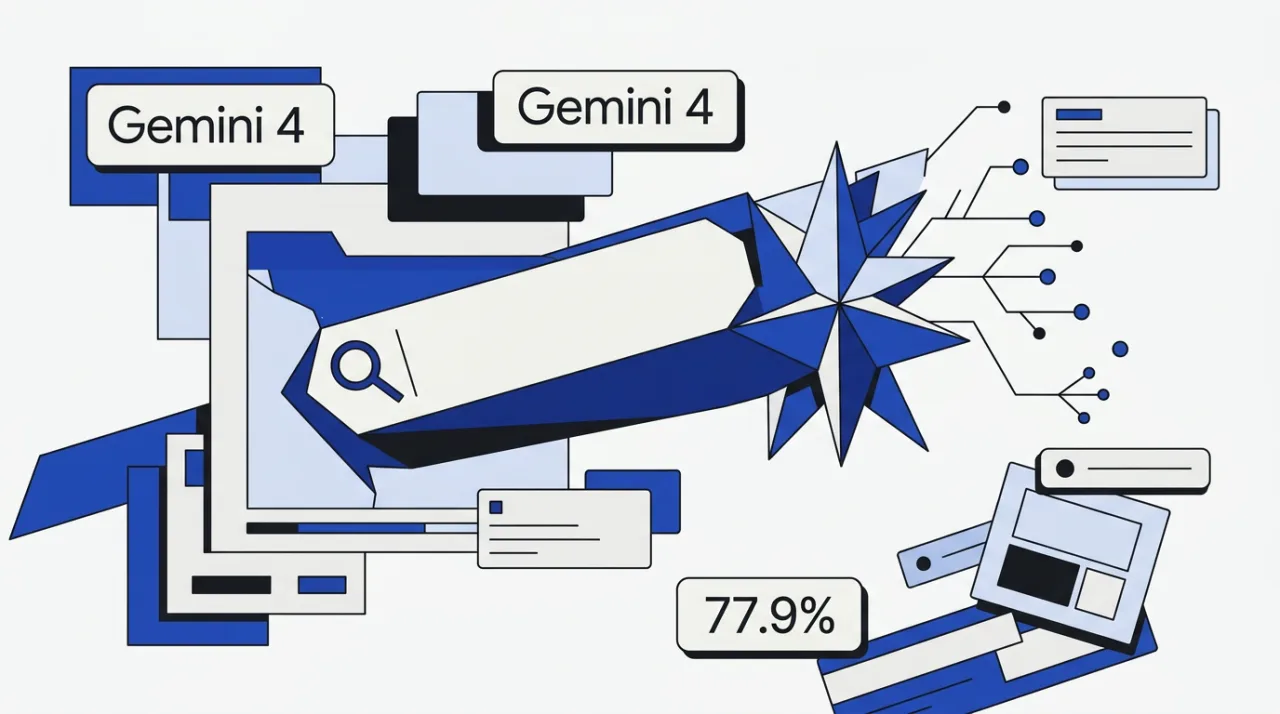
Gemini 4 Argon reached general availability on October 13, 2026, after a limited September 30 launch. The model supplies up to one million output tokens and powers AI Mode for paid subscribers. Google simultaneously adjusted how sources appear in AI Overviews and AI Mode responses.
Publishers have tracked traffic shifts since AI Overviews expanded. The October changes increase the number and prominence of inline links while testing new source sections at the top of certain results. SEO visibility tools now track citations alongside classic rankings.
Gemini 4 Argon Capabilities and Rollout
The model reports 77.9 percent on the DeepSWE v1.1 benchmark for long-horizon engineering tasks and leads the Vals Index for economic impact across sectors. It targets complex work in coding, finance, legal, cybersecurity, and science. Early internal tests at Google recorded more than 35 percent growth in agentic code submissions and roughly one-third fewer rollbacks.
API pricing through November 30, 2026, stands at two dollars per million input tokens and ten dollars per million output tokens, with cached input at a 95 percent discount. Rates double after that date. Enterprise testers include Deloitte and LexisNexis. The model is accessible through the Gemini API, AI Studio, Gemini platform, and the Gemini app for Google AI Pro and Ultra subscribers.
Core crawl, index, and ranking systems remain unchanged. No public data yet isolates traffic attributable solely to Argon. SEO platforms such as Ahrefs and Semrush have added AI-citation tracking to their dashboards to capture new visibility signals.
Inline Links and AI Overview Adjustments
On October 15, 2026, Google increased the frequency and placement of inline links within AI responses. Some queries now show one or two official pages in a dedicated top section that includes context on why the page is useful. The redesigned “Dive Deeper” links at the end of responses include image thumbnails and larger click targets.
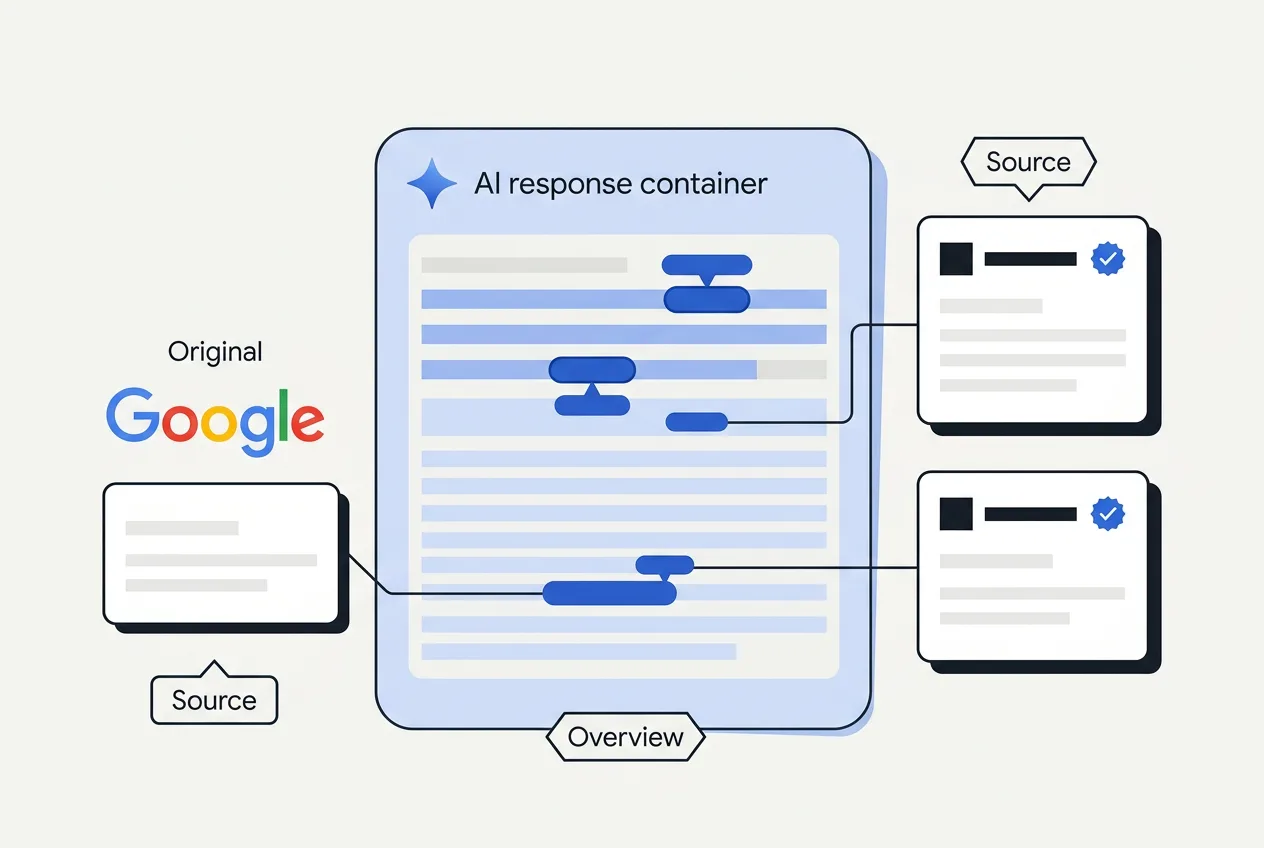
Timely-article carousels that highlight Preferred Sources continue to expand globally. Tests are underway that make creator and publisher names clickable on video results, directing users to Search profiles. Preferred Sources usage has grown sevenfold since the feature launched.
Reported traffic effects vary. Some publisher analyses noted drops near 40 percent after AI Overviews rolled out; the new link placements aim to improve click-through rates without altering eligibility rules. Multi-turn conversational queries in AI Mode reward content that answers follow-up questions with specific facts rather than marketing language or summary tables.
Practical Effects on SEO Tools and Measurement
Visibility trackers now monitor both traditional rankings and AI citations. Early observations indicate the model favors verifiable data points over promotional phrasing. Comprehensive pages that address sequential questions perform better in multi-turn sessions.
Teams can review Preferred Sources performance inside Google Search Console and compare it against AI Overview impressions. No aggregate Google data yet separates clicks driven by Argon from other sources. Publishers and tool providers continue to test measurement approaches as rollout expands.
| Feature | Before October 2026 | After October 2026 |
|---|---|---|
| Output tokens | 64 000 | 1 000 000 |
| Inline links in AI Mode | Limited | Higher frequency, earlier placement |
| Top source section | Not present | Testing for 1–2 official pages |
| API input price (intro) | N/A | $2 per million tokens |
Frequently asked questions
When did Gemini 4 Argon become available to developers?
Global availability started October 13, 2026, through the Gemini API, AI Studio, and Gemini platform. Introductory pricing runs through November 30.
Do the new inline links change how pages rank in Google Search?
Core ranking systems stay the same. The updates only alter presentation inside AI Overviews and AI Mode.
How should publishers track visibility after these changes?
Add AI-citation monitoring to existing rank trackers and review Preferred Sources data in Search Console.
What content performs better in multi-turn AI Mode queries?
Pages that supply specific facts and answer follow-up questions directly tend to receive more citations.
Comments 11