Gemini 4 Neon 2026: Google Model Pricing, Features, Context Length and Copilot Comparisons
Gemini 4 Neon sits between faster and more powerful siblings in the Gemini 4 family, with 1M context and balanced pricing for complex coding tasks.
Gemini 4 Neon launched on November 18, 2026 as the mid-tier model in Google’s Gemini 4 lineup. It targets frequent complex work such as multi-file code refactoring and enterprise document analysis while remaining faster than the top-tier Carbon model.
Developers access it through the Gemini API, Google AI Studio, Android Studio, the Gemini app for Pro and Ultra subscribers, and GitHub Copilot. No free tier exists for API use.
Gemini 4 Neon Release and Family Positioning
The model arrived as the fourth Gemini 4 variant within a month, following Argon, Carbon and Hydrogen. Google positions Neon for tasks that require frontier-level reasoning without the longest agent runs that Carbon handles. In the Gemini app it appears as the “Deeper analysis” option for paid users.
Neon supports text, image, audio, video and PDF inputs with text outputs. It includes function calling, parallel tool use, structured JSON output, implicit prompt caching and four adjustable thinking levels. A cyber-focused variant runs through the Fairwind Program for secure code generation. Users report it works well as an orchestrator that delegates subtasks to Hydrogen agents in the Antigravity interface.
Key strengths include multi-step instruction following and low fabrication rates in internal tests. The model handles repository-scale debugging and dense spreadsheet or PDF workflows common in STEM and legal research.
Pricing, Context Window and Benchmarks
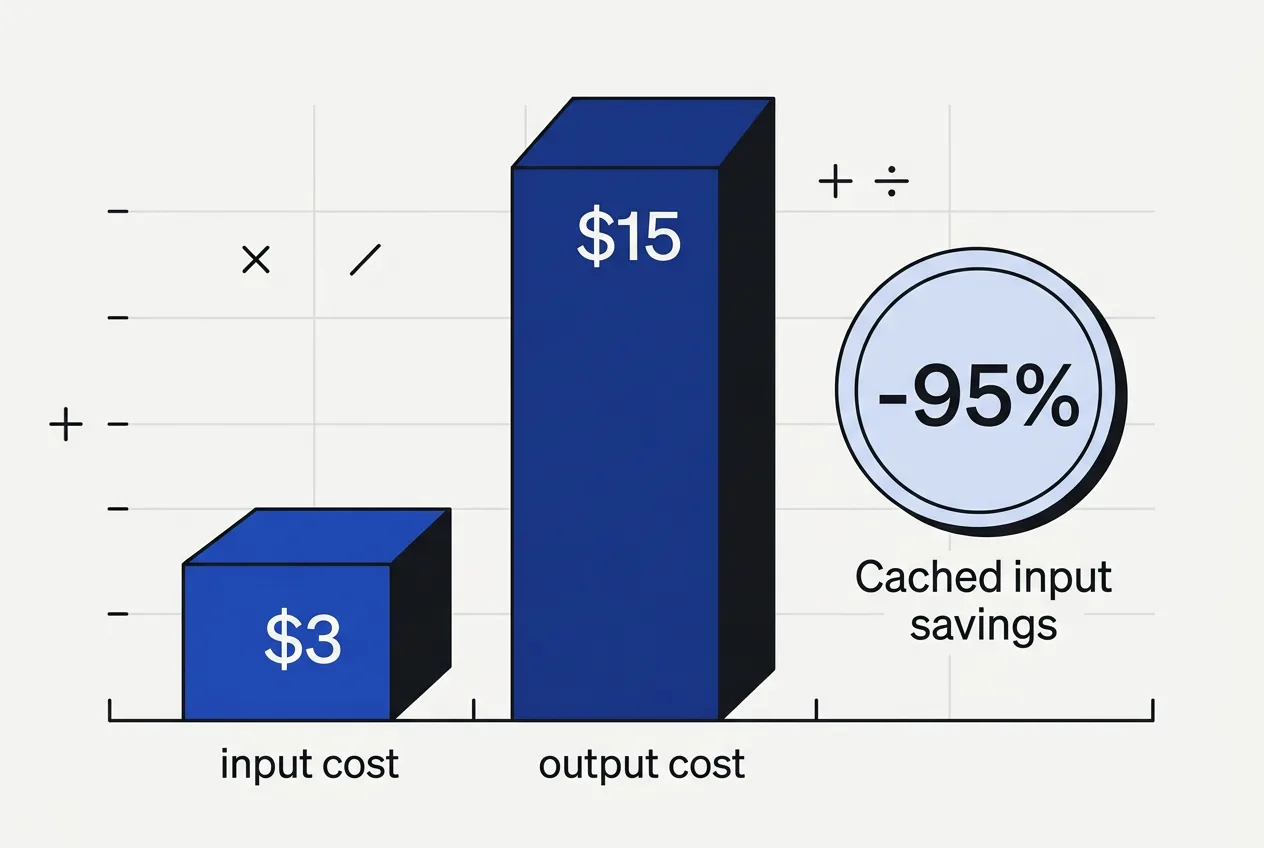
API pricing stands at $3 per million input tokens and $15 per million output tokens. Cached input receives a 95 percent discount at $0.15 per million. Batch and Flex tiers cost $1.50 input and $7.50 output. These rates sit above Carbon’s introductory price but 25 percent below Carbon’s standard rate after November 30.
The shared context window reaches 1,048,576 tokens with support for up to roughly one million output tokens through long continuation. Output speed averages 110 tokens per second at the highest thinking level.
| Model | Input price | Output price | Output speed | Intelligence Index |
|---|---|---|---|---|
| Gemini 4 Neon | $3 | $15 | 110 t/s | 61 |
| Gemini 4 Carbon | $2–4 | $10–20 | 59 t/s | 60 |
| Gemini 4 Hydrogen | Lower tier | Lower tier | Higher | Lower |
Third-party indices place Neon at number three on the Artificial Analysis Intelligence Index and number one on the Coding Agent Index. It records a 70.9 percent score on the Vals Index and strong results on Terminal-Bench Science and RiemannBench. Cost per task runs about 32 percent lower than Carbon at default settings.
GitHub Copilot Integration and Practical Use
Neon rolled out gradually to GitHub Copilot Pro+, Max, Business and Enterprise users alongside other Gemini 4 models. It focuses on agentic coding and multistep tool use while producing fewer unrequested changes than Carbon. Responses arrive faster, which suits iterative debugging sessions.
Teams using the model for legal research, tax analysis and finance workflows cite its steerability and structured output capabilities. The 1M context allows full repository ingestion plus external documentation in a single prompt. Prompt caching reduces repeated costs on long sessions.
Early users note that selecting the medium or high thinking level often delivers the best speed-to-quality ratio for daily coding tasks. Full independent long-term benchmarks remain limited as of mid-November 2026.
Frequently asked questions
How does Gemini 4 Neon compare to Gemini 4 Carbon in speed?
Neon produces output at roughly 110 tokens per second at the highest thinking level, nearly double Carbon’s rate. It trades a small amount of peak intelligence for faster end-to-end task completion on complex but not extreme workflows.
What is the context length of Gemini 4 Neon?
The model supports a 1,048,576-token context window shared across input, thinking and output. Users can generate up to approximately one million output tokens through continuation features.
Is Gemini 4 Neon available in GitHub Copilot?
Yes, it is rolling out to Copilot Pro+, Max, Business and Enterprise tiers. The model targets agentic coding sessions and multi-step tool use with quality close to Carbon but quicker responses.
What are the API prices for Gemini 4 Neon?
Standard pricing is $3 per million input tokens and $15 per million output tokens. Cached input costs $0.15 per million, and batch tiers are available at half the standard rate.
Comments 4