Hostinger PHP Security Update 2026 Addresses php2shell Vulnerabilities
Hostinger completed PHP updates for CVE-2026-109618 and CVE-2026-109619 by October 22. Managed hosting users need no action; VPS customers must update manually.

Hostinger completed rollout of patched PHP builds across managed servers by October 22, 2026, addressing two critical remote code execution flaws known as php2shell. The updates cover CVE-2026-109618 and CVE-2026-109619, both rated CVSS 9.2, plus a related session upload issue. No client intervention is required on shared, cloud, or agency plans.
php2shell Vulnerabilities and Affected PHP Versions
The flaws involve memory-safety problems in PHP error handling and request state management. They affect every PHP release before 8.2.35, 8.3.36, 8.4.27, and 8.5.12, going back to version 5.4. Both PHP-FPM and mod_php setups are exposed. WordPress core or plugin updates provide no protection.
Researchers discovered the issues around August 2026. Details and exploit code circulated before the official PHP release on October 21. CISA added the two main CVEs to its Known Exploited Vulnerabilities list on October 26, setting a federal remediation deadline of October 29. Attempts began as early as October 17, though no widespread successful attacks on patched servers have been confirmed.
PHP 8.2 reaches end of life on December 31, 2026. Sites still running that branch face higher future risk and should move to 8.3 or newer when possible.
| PHP Branch | Patched Version | End of Life |
|---|---|---|
| 8.2 | 8.2.35 | Dec 31, 2026 |
| 8.3 | 8.3.36 | Dec 2027 |
| 8.4 | 8.4.27 | Dec 2028 |
| 8.5 | 8.5.12 | Dec 2029 |
Hostinger Actions for Managed Plans and VPS Customers
On October 21 Hostinger confirmed its managed infrastructure tested clean, added firewall rules, disabled session.upload_progress where relevant, and deployed backported fixes. A PHP Info page showing a build date of October 21 or later verifies the update; the version string itself may stay the same.
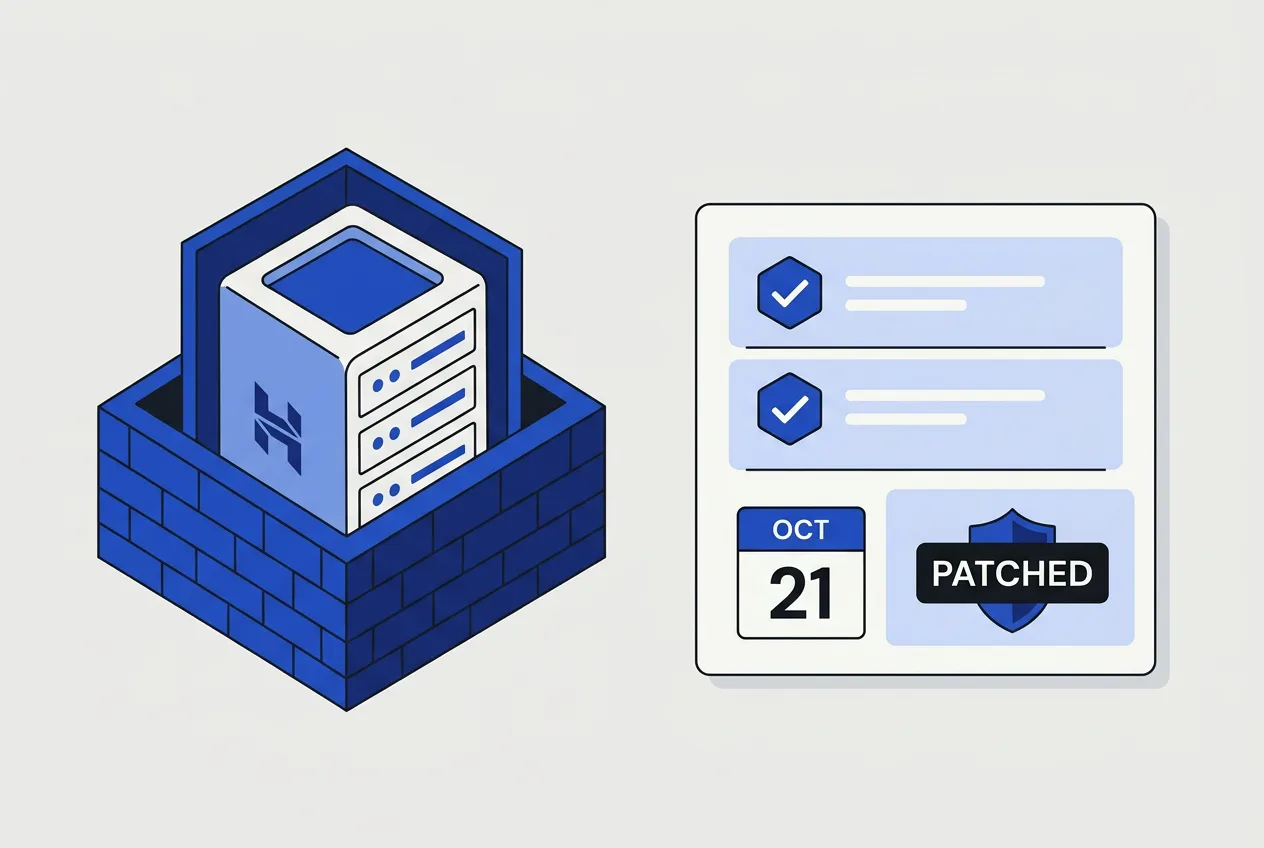
The third CVE, 2026-115560, received the same October 21 mitigations on managed plans. The upstream patch will arrive during normal maintenance cycles.
VPS customers manage PHP themselves. Required steps include updating to one of the patched releases listed above and restarting PHP-FPM or the web server. As a temporary block for one attack vector and the session CVE, set session.upload_progress.enabled=0 in php.ini or the pool configuration and restart workers. Limiting unnecessary file uploads further reduces exposure.
- Check current PHP version and build date in hPanel or via phpinfo().
- Apply updates through the OS package manager or compile from source.
- Restart PHP processes after any configuration change.
- Monitor logs for unexpected POST requests to upload handlers.
Hostinger continues watching for new exploit variants. Managed customers remain protected; self-managed users should apply patches promptly to stay ahead of active scanning.
Frequently asked questions
Do Hostinger managed hosting customers need to do anything after the October 2026 PHP update?
No action is required. Hostinger applied the patches to all managed Web, Agency, Cloud, and cPanel plans by October 22 and added extra firewall rules.
How can I confirm the php2shell fix is active on my Hostinger site?
Open hPanel, go to Websites, then Dashboard, and check PHP Info. A build date of October 21, 2026 or later confirms the backported fix.
What should VPS users do if they run older PHP versions?
Update to 8.2.35, 8.3.36, 8.4.27 or 8.5.12, restart PHP, and optionally disable session.upload_progress.enabled as a temporary mitigation.
Does the php2shell vulnerability affect WordPress sites specifically?
No. The flaws sit in PHP core and impact any application using vulnerable versions, regardless of CMS or plugins.
Comments 6