ICANN 2026 gTLD confirmation begins 17 November with final string list and objection window
String Confirmation Day on 17 November 2026 publishes the final list of applied-for gTLD strings and opens the community input period through March 2027.
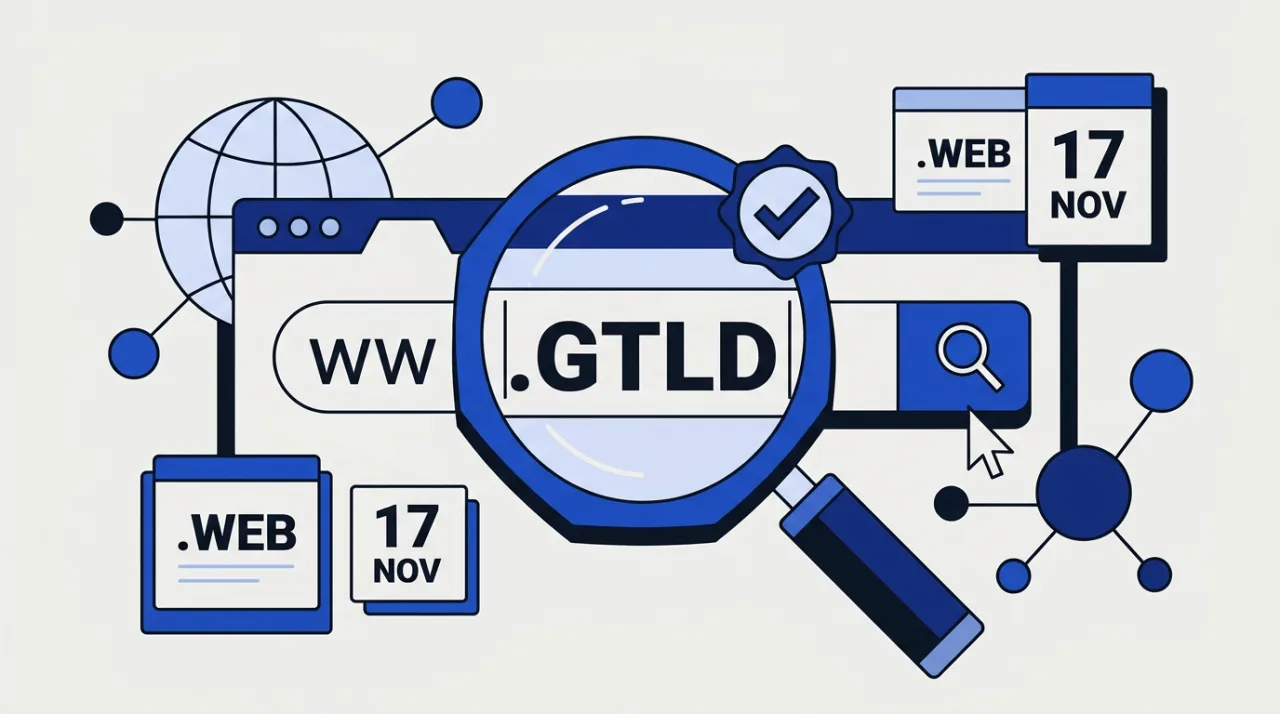
ICANN 2026 gTLD confirmation occurs on 17 November 2026 when the organization releases the final list of applied-for strings and updated contention sets. This step follows the October replacement period and closes the window for most changes to string selections.
Applicants then face a 10-day period ending 27 November 2026 to withdraw and receive a 65 percent refund of the evaluation fee. The publication also starts the four-month community input and objections period running until 16 March 2027.
ICANN 2026 gTLD confirmation and the objections period explained
After publication of the confirmed strings, any member of the public, governments or community groups may submit comments through the Application Comment Forum. Formal objections fall into four categories: string confusion, legal rights, limited public interest and community. WIPO handles string confusion and legal rights objections while the ICC manages the remaining two types.
Singular and plural notifications are accepted only during the first 30 days of this window. The period includes an ICANN office closure from 19 December 2026 to 4 January 2027 that does not extend the overall deadline. Applicants should monitor the forum for early warnings from the GAC that may affect later evaluation stages.
One practical example involves the .agent contention set, which already drew 13 applicants and is expected to receive additional scrutiny during the objections window. Parties planning to file objections must prepare evidence and pay filing fees set by the dispute resolution providers.
Evaluation, prioritization and later milestones after String Confirmation Day
String evaluation starts immediately after 17 November 2026 and is projected to last approximately 180 days. Reviewers examine string similarity, name collision risks, required safeguards, geographic name rules and singular or plural variants. Passing this stage leads to the prioritization draw scheduled for the first half of 2027 that determines processing order for remaining applications and contention sets.

Contention resolution follows via either community priority evaluation or auctions. Successful applicants then complete background checks, contracting, technical testing and delegation. ICANN estimates the full sequence from String Confirmation Day to delegation takes roughly 15.5 months under the current guidebook.
Applicants can use the time before the draw to prepare responses to anticipated comments and to monitor published objection filings. Those with multiple applications should track which strings fall into updated contention sets to adjust strategy before the refund deadline passes.
| Key Date | Event | Duration or Deadline |
|---|---|---|
| 17 Nov 2026 | String Confirmation Day and objections open | — |
| 27 Nov 2026 | Withdrawal and 65% refund window closes | 23:59 UTC |
| 16 Mar 2027 | Community input and objections close | — |
| H1 2027 | Prioritization draw | Date TBD |
| ~180 days after 17 Nov | String evaluation complete | — |
Frequently asked questions
What happens on ICANN 2026 gTLD confirmation day?
ICANN publishes the final confirmed list of applied-for strings and updated contention sets. This starts the community input and objections period that runs until 16 March 2027.
Can applicants still withdraw after 17 November 2026?
Yes. A final 10-day window closes at 23:59 UTC on 27 November 2026 and provides a 65 percent refund of the evaluation fee for qualifying withdrawals.
Who administers formal objections during the new gTLD round?
WIPO handles string confusion and legal rights objections. The ICC manages limited public interest and community objections.
When does string evaluation begin and how long does it take?
Evaluation starts right after String Confirmation Day and is expected to run for about 180 days covering similarity, collisions, safeguards and geographic names.
Comments 15