ICANN 2026 gTLD objectors Appointed to Review Applications in Public Interest
ICANN named three Independent Objectors in October 2026 to file objections solely in the public interest during the new gTLD round.
ICANN appointed three Independent Objectors on 23 October 2026 to evaluate new gTLD applications for the 2026 round. The appointments followed a competitive Expression of Interest process that opened in March 2026. Their role covers only Limited Public Interest and Community objections.
The three objectors act without direction from ICANN or its Board. They must consider public comments and generally require at least one opposing comment before filing. They cannot duplicate grounds already raised by other parties except in extraordinary circumstances.
How ICANN 2026 gTLD objectors Operate
Dr. Daniel Müller serves as chair. He previously acted as counsel for the Independent Objector in the 2012 round and brings experience in international law and DNS governance. Judge Abdelmohsen Sheha, a member of the Egyptian State Council and UN Appeals Tribunal, contributes expertise in telecommunications regulation. Eran Sthoeger specializes in dispute resolution and public international law.
The three-person panel structure reduces conflict-of-interest risks. Each objector reviews confirmed strings and public comments after Reveal Day. They file objections only when they determine a clear public-interest basis exists under the two permitted grounds. Limited Public Interest objections address conflicts with internationally recognized norms of morality and public order. Community objections address substantial opposition from a significantly affected community.
Objectors may participate in mediation and settlement discussions. They can also appeal panel determinations. No specific target number of objections has been set. Their work runs parallel to objections filed by applicants, governments, and other parties through dispute resolution providers such as WIPO and the ICC.
Objection Timeline and Comparison with Public Period
The IO filing window opens on String Confirmation Day, 17 November 2026, and closes after 111 calendar days, around 8 March 2027. The general Community Input and Objections Period for all parties runs from 17 November 2026 to 16 March 2027. This gives the Independent Objectors seven additional days.
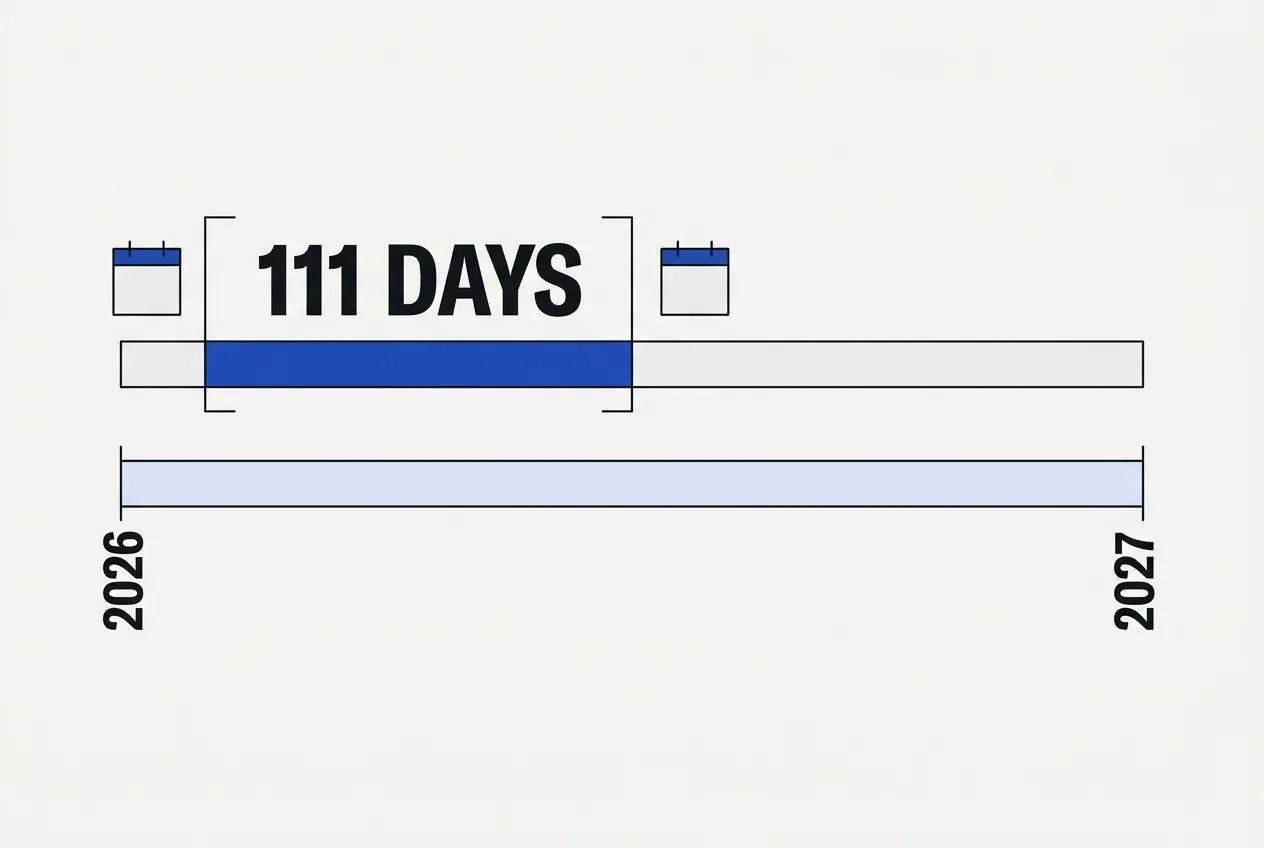
After the objection period, broader evaluation, contention resolution, and prioritization draw phases begin in 2027. Applicants whose strings face objections will receive notice and have opportunities to respond through the established dispute resolution procedures.
| Element | Independent Objectors | General Public |
|---|---|---|
| Filing window start | 17 Nov 2026 | 17 Nov 2026 |
| Duration | 111 days (~8 Mar 2027) | 120 days (16 Mar 2027) |
| Permitted grounds | Limited Public Interest, Community | String Confusion, Legal Rights, Limited Public Interest, Community |
| Independence requirement | Must act solely in public interest | May represent specific interests |
Approximately 1,615 applications remain under consideration following Reveal Day on 7 October 2026 and the subsequent replacement period. The Independent Objectors will begin substantive review once strings are confirmed in November.
Frequently asked questions
Who are the three Independent Objectors appointed for the 2026 gTLD round?
ICANN selected Dr. Daniel Müller as chair, Judge Abdelmohsen Sheha, and Eran Sthoeger. Each brings prior experience in international law, dispute resolution, or telecommunications regulation.
What grounds can the Independent Objectors use?
They may file only Limited Public Interest objections, which address conflicts with international norms, and Community objections based on substantial opposition from an affected community.
When does the Independent Objector filing window open and close?
The window opens on 17 November 2026 and runs for 111 days, ending around 8 March 2027. This period is seven days longer than the general public objection window.
Can ICANN direct the Independent Objectors to file or withhold objections?
No. The objectors act independently in the public interest. ICANN and its Board have no authority to require or prevent any filing.
Comments 13