ICANN new gTLD 2026 round applications reach 1616 with .agent leading contention
The ICANN new gTLD 2026 round closed with 1616 applications for 986 strings. Contention sets now shape the path to delegation starting in 2028.
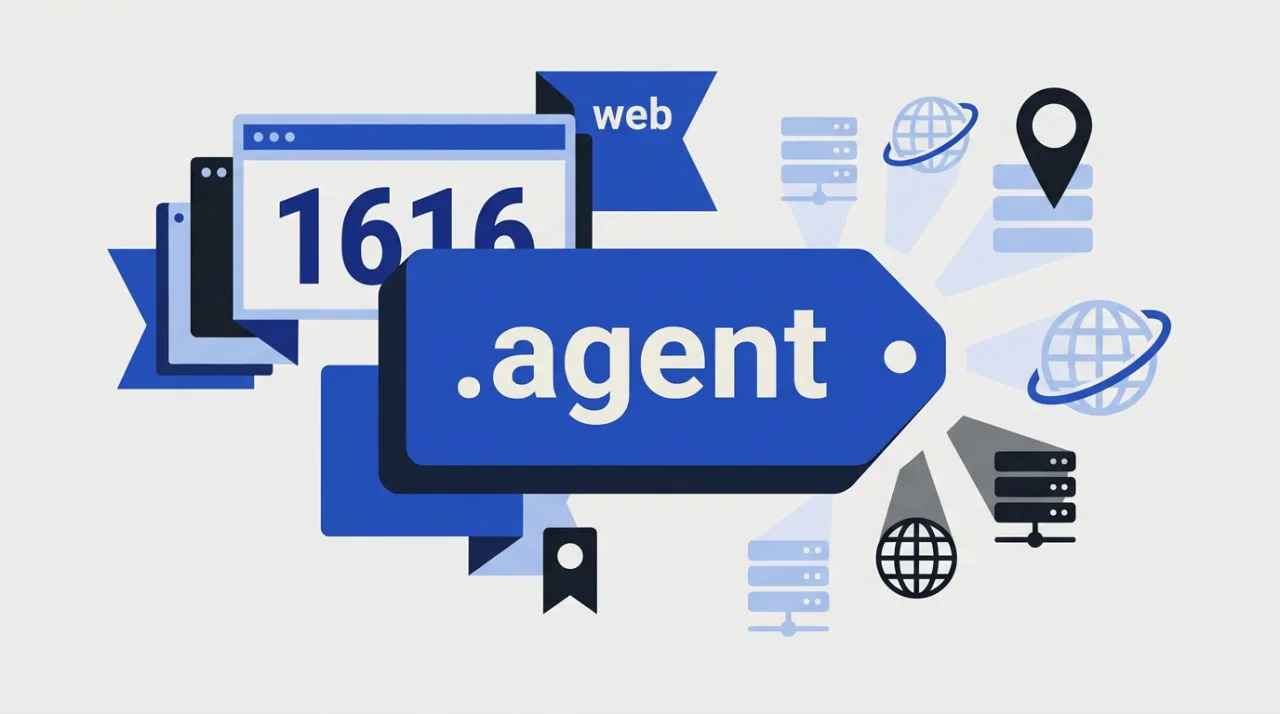
The ICANN new gTLD 2026 round produced 1616 paid applications from 481 applicants for 986 unique strings. The application window ran from 30 April to 12 August 2026. Reveal Day on 7 October 2026 published the full list and preliminary contention sets on the APS site.
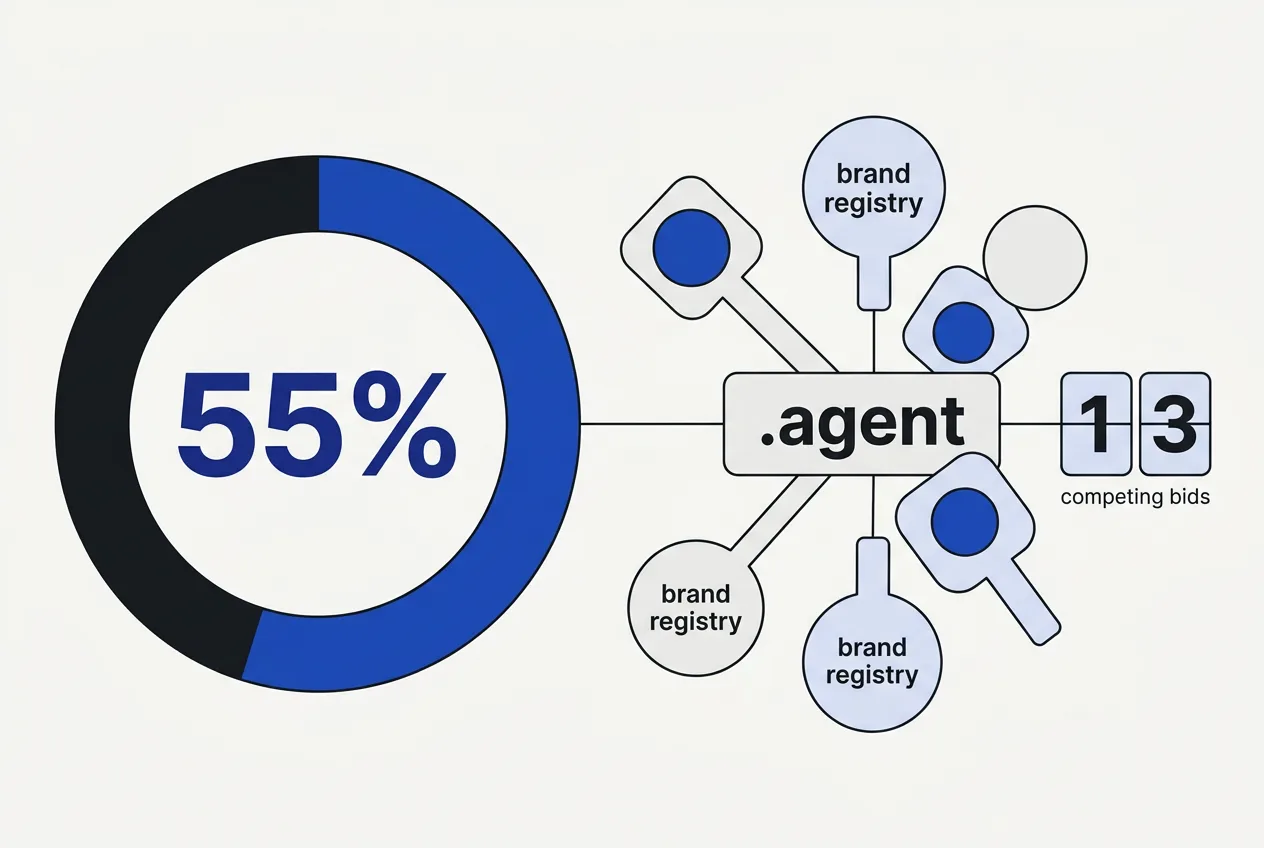
Applicants now face a structured sequence of evaluations, objections, and resolutions before any new domain extensions 2026 enter the root zone. The largest contention set involves the string .agent with 13 applicants. Portfolio operators filed more than half of all applications.
ICANN new gTLD 2026 round timeline from reveal to delegation
String Confirmation Day on 17 November 2026 will publish the final list of strings and contention sets. The Community Input and Objections Period opens the same day and runs until 16 March 2027. During the first 30 days, applicants may file singular-plural notifications while the public and governments submit comments or Early Warnings.
Formal objections, including legal rights and string confusion claims, route through WIPO or other dispute resolution providers. Community Priority Evaluation follows for the 16 community-based applications. Remaining contested strings move to ICANN auction because private resolution agreements are prohibited. Contracting and the prioritization draw are scheduled for the first half of 2027, with earliest delegation possible in the second quarter of 2028.
The Replacement Period from 8 to 21 October 2026 allowed one switch to a pre-designated backup string. No major contention sets were resolved by switches. The 2026 Round Applicant Guidebook, published in April 2026, governs all procedures.
Contention sets and brand TLD applications 2026
Two hundred sixty-three strings face contention involving 891 applications, or 55 percent of the round. The .agent set tops the list with 13 applicants that include Charleston Road Registry Inc., OPENAI OPCO LLC, Meta Registry Holdings LLC, Radix, XYZ.COM LLC, Intercap, Elegant Leader Limited, several Identity Digital entities, and the community applicant Open Agent Registry Inc. Other large sets include .bit with 11 applicants and .api, .brand, and .hub with 10 applicants each.
Brand TLD applications total 333, roughly 21 percent of submissions. These .brand strings often qualify for Specification 13 protections once eligibility is confirmed. Geographic, IDN, and variant categories remain smaller, with 15 self-identified geographic applications, 21 IDN strings, and 9 variants.
| String | Applicants | Notes |
|---|---|---|
| .agent | 13 | Largest set; includes Google, OpenAI, Meta, Alibaba-linked entities |
| .bit | 11 | Tech and crypto interest |
| .api | 10 | Developer-focused string |
| .brand | 10 | Generic brand term |
| .hub | 10 | Platform and community use |
| .agi | 7 | AI-related applications |
Top nine portfolio applicants account for 51 percent of all filings. Heavy concentration appears in AI, crypto, and brand categories. The 51 applications under the Applicant Support Program target underserved regions and communities.
Practical implications for registrars and applicants
Domain registrar new gTLDs planning should focus on monitoring the objections period and preparing for possible auctions. Applicants with multiple strings in contention need to allocate budget for evaluation fees and potential auction bids. Community applicants can gain priority through CPE but must demonstrate ongoing community support and use.
Brand owners outside the 333 dedicated applications should review the published list for similar strings that may create future confusion objections. The 104-day objections window provides the main public checkpoint before formal evaluations begin. Early preparation of supporting documentation improves outcomes in both objection responses and later contracting stages.
Frequently asked questions
When does the objections period close for the 2026 new gTLD round?
The Community Input and Objections Period runs from 17 November 2026 to 16 March 2027. Formal objections must be filed within this window through designated providers such as WIPO.
How many applications entered contention in the ICANN new gTLD 2026 round?
Two hundred sixty-three strings face contention, covering 891 applications or 55 percent of the total round. The largest single set is .agent with 13 applicants.
What happens after the objections period ends?
Qualifying community applications proceed to Community Priority Evaluation. All other contested strings move to ICANN auction. Successful applicants then complete string and applicant evaluation before contracting.
How many brand TLD applications were filed?
Three hundred thirty-three brand TLD applications represent about 21 percent of the round. These strings may receive Specification 13 protections after eligibility review.
Comments 11