Infomaniak S3 storage launches native Ceph service for sovereign workloads
Infomaniak introduced a new native S3-compatible object storage service built on Ceph in November 2026. The offering targets users who need predictable costs and full data residency in Switzerland.
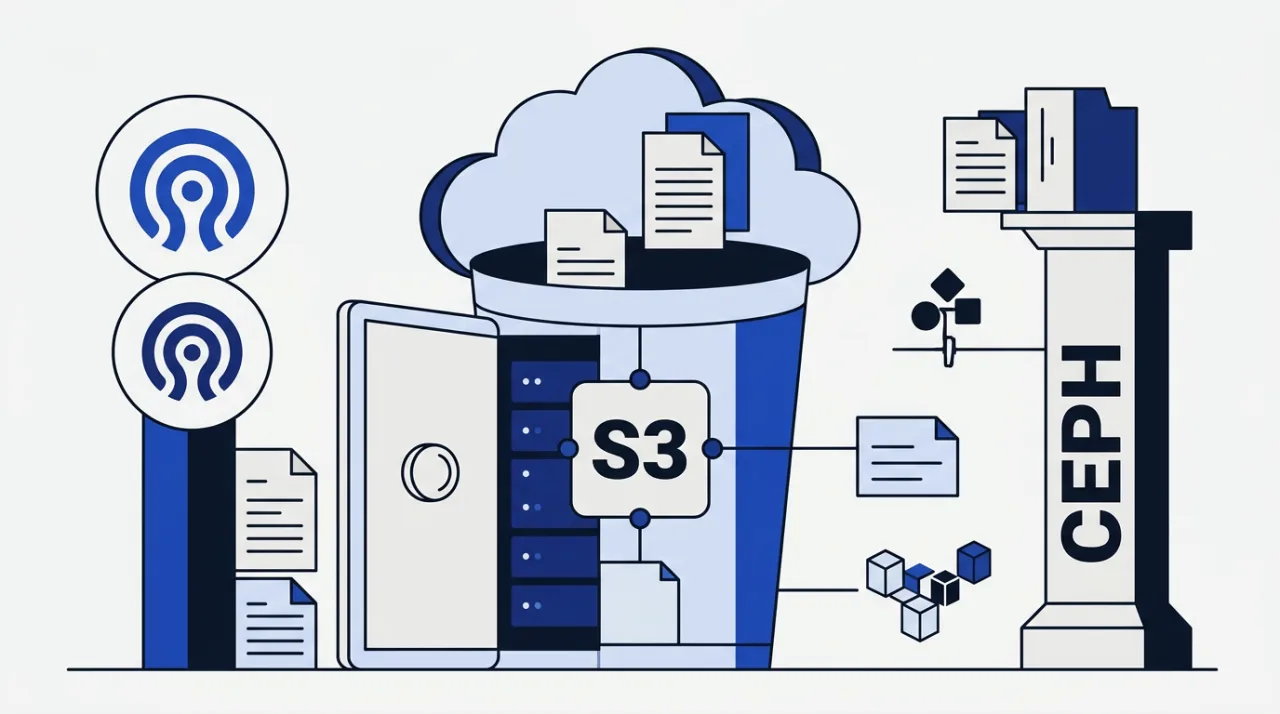
Infomaniak launched a native S3-compatible object storage service on its Public Cloud platform on November 5–6, 2026. The new service runs on Ceph RADOS Gateway and provides full compatibility with AWS CLI, boto3, rclone and Terraform. It sits alongside the existing OpenStack Swift service, which remains available unchanged for legacy workloads.
The service stores all data in Infomaniak’s Swiss data centers under Swiss law. It includes Object Lock for immutability, automatic multi-site replication and customer-managed encryption keys. These features target backups, media archives and AI datasets that require strict sovereignty controls.
Key features of Infomaniak S3 storage on Ceph
The Ceph implementation delivers native S3 API coverage that supports multipart uploads up to approximately 48.8 TB per object. Bucket policies, presigned URLs, public path-style buckets and versioning are all available through the web console or command-line tools. SSE-C encryption with AES-256 keys supplied by the customer adds another layer of control.
Object Lock operates in Governance or Compliance modes to prevent deletion or modification for defined retention periods. This combination of immutability and versioning helps protect against ransomware. Data is spread across multiple availability zones within Switzerland, and optional replication to a second data center increases the SLA while counting as additional stored capacity.
Infomaniak has operated Ceph at scale for several years through services such as SwissTransfer and Swiss Backup. The company uses open-source components, runs on renewable energy and recovers waste heat from its facilities. These operational details matter for organizations that track both compliance and environmental criteria.
Pricing structure and sovereign cloud comparison
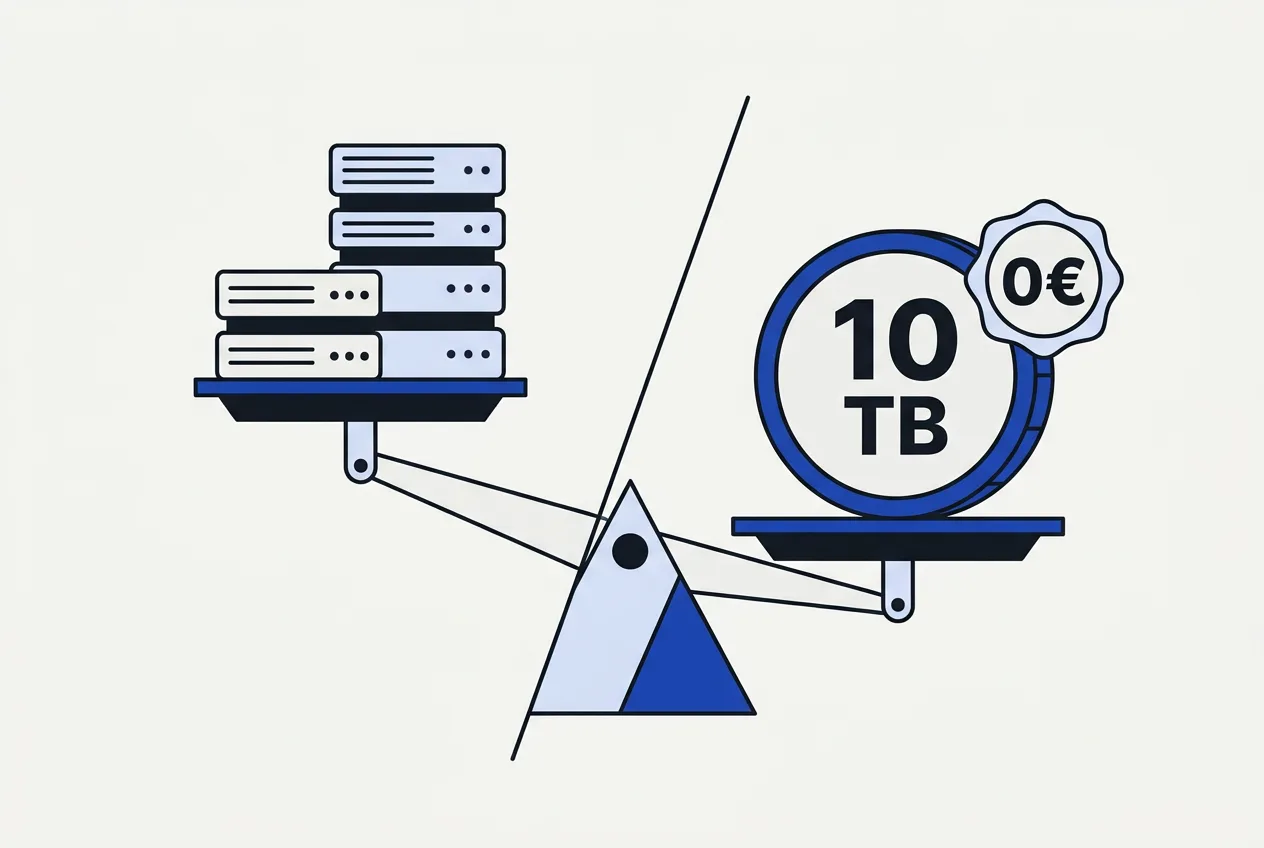
Billing is pay-as-you-go with hourly granularity and no request fees or minimum commitments. Storage is charged on actual usage; 10 TB of outbound traffic is included each month. Exact per-gigabyte rates appear in the customer pricing calculator and are described as competitive within the European market. A CHF/EUR 300 credit for three months is available for testing.
Compared with hyperscaler sovereign offerings, Infomaniak maintains full operational control inside Switzerland. Employee-owned status and in-house management of OpenStack and Ceph reduce exposure to foreign legal demands. The table below summarizes the main differences.
| Provider | Jurisdiction | Object Lock | Multi-site replication | Ownership model |
|---|---|---|---|---|
| Infomaniak Ceph | Swiss law only | Yes (WORM) | Optional to second Swiss DC | Employee-owned |
| AWS European Sovereign Cloud | Separate EU entity | Yes | Regional options | US parent company |
| Azure EU Data Boundary | EU data residency | Yes | Regional options | US parent company |
| Google Cloud Sovereign | Partner-operated models | Yes | Regional options | US parent company |
Organizations handling regulated European data often evaluate these factors alongside raw performance and global reach. Hyperscalers still provide broader service portfolios, while Infomaniak positions its offering for cost-sensitive workloads that prioritize jurisdictional simplicity.
Migration and ongoing considerations
Users of the legacy Swift service can create new credentials and buckets on the Ceph platform, then copy data with rclone or similar tools. No automatic migration path has been announced. Feature parity work continues through Ceph updates, and pricing transparency is expected to improve as the service matures.
The launch gives European users an additional option for S3-compatible storage without relying on hyperscaler infrastructure. Workloads such as long-term archives, application file storage and AI training sets can now run entirely within Swiss borders while retaining standard S3 tooling.
Frequently asked questions
How does the new Ceph S3 service differ from the existing Swift offering?
The Ceph service provides full native S3 API compatibility and advanced features such as Object Lock and customer-managed encryption. The legacy Swift service remains available with only basic S3 compatibility for existing users.
What compliance standards apply to data stored in Infomaniak S3 storage?
All data resides in Swiss data centers under Swiss law. The service meets GDPR and nFADP requirements and holds ISO 27001 and ISO 9001 certifications.
Is outbound traffic included with the new storage service?
Ten terabytes of outbound traffic per month is included at no extra charge. Additional egress beyond this allowance follows standard pay-as-you-go rates.
Can existing Swift users migrate to the Ceph platform?
Yes. New buckets and credentials can be created on the Ceph service, after which data can be copied using tools such as rclone. No automated migration process is currently offered.
Comments 1