Jira Autumn 2026 Release Improves Board Speed and Adds Visible AI Agents
The Jira Autumn 2026 release delivers 22 percent faster company-managed boards, visible AI agents, and new admin controls for consistent fields and statuses across spaces.
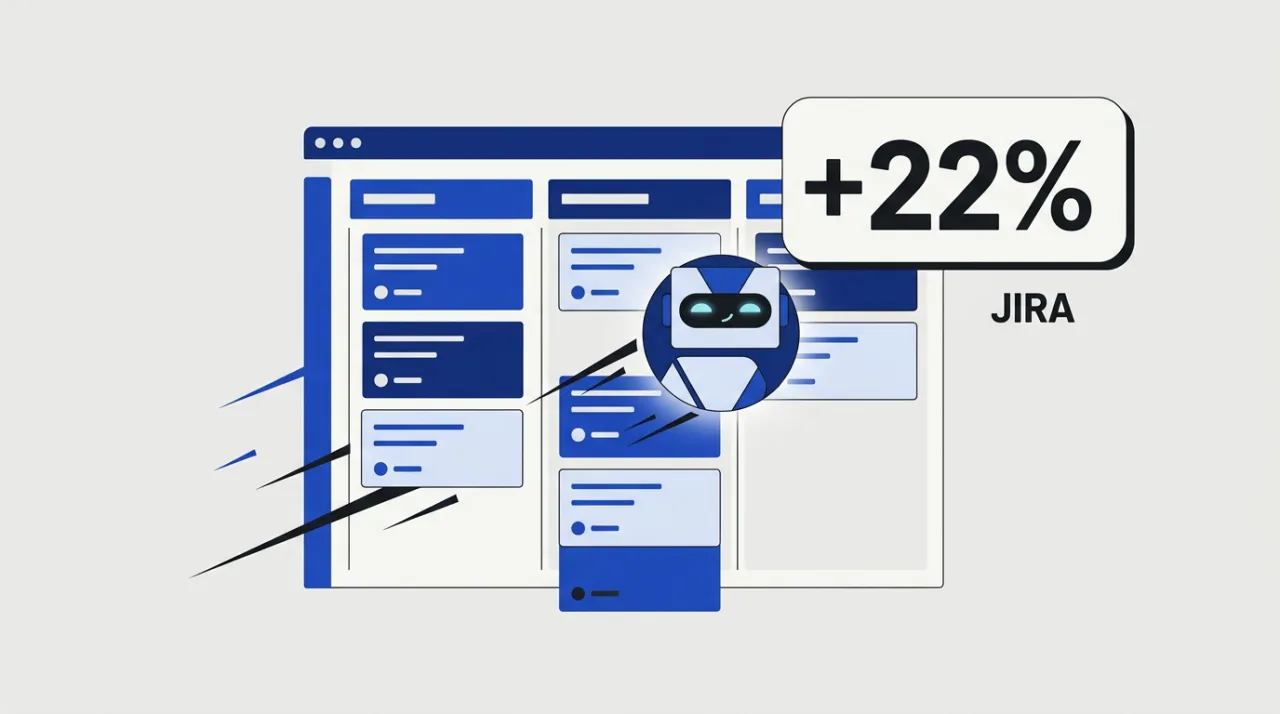
The Jira Autumn 2026 release, announced on October 28, focuses on measurable performance gains for boards, clearer visibility for AI agents, and admin settings that enforce consistency in team-managed spaces. These updates apply to Jira Cloud now and reach general availability in November 2026. No changes affect existing workflows, data, or permissions.
Jira Board Performance Update and Work Item Layout Changes
Company-managed software boards now load 22 percent faster after moving to the same technical foundation used by team-managed boards. The update removes the former 5,000 work-item limit, adds infinite scrolling, and supports visible subtasks, epics, saved custom views, and column control. Workflows, permissions, and data stay identical to previous versions.
The work item view received a cleaner layout that reduces visual clutter and the number of clicks needed for common actions. Users can personalize key fields, navigate more directly, and launch agents straight from the item. Voice-to-text input and Rovo support are included. The classic view remains available for those who prefer it, and all fields, automations, and integrations continue to function unchanged.
These board and view improvements rolled out immediately after announcement and will complete across instances by the end of 2026. Field suggestions based on similar past work appear during creation on Rovo-enabled sites.
Jira AI Agents and Admin Consistency Features
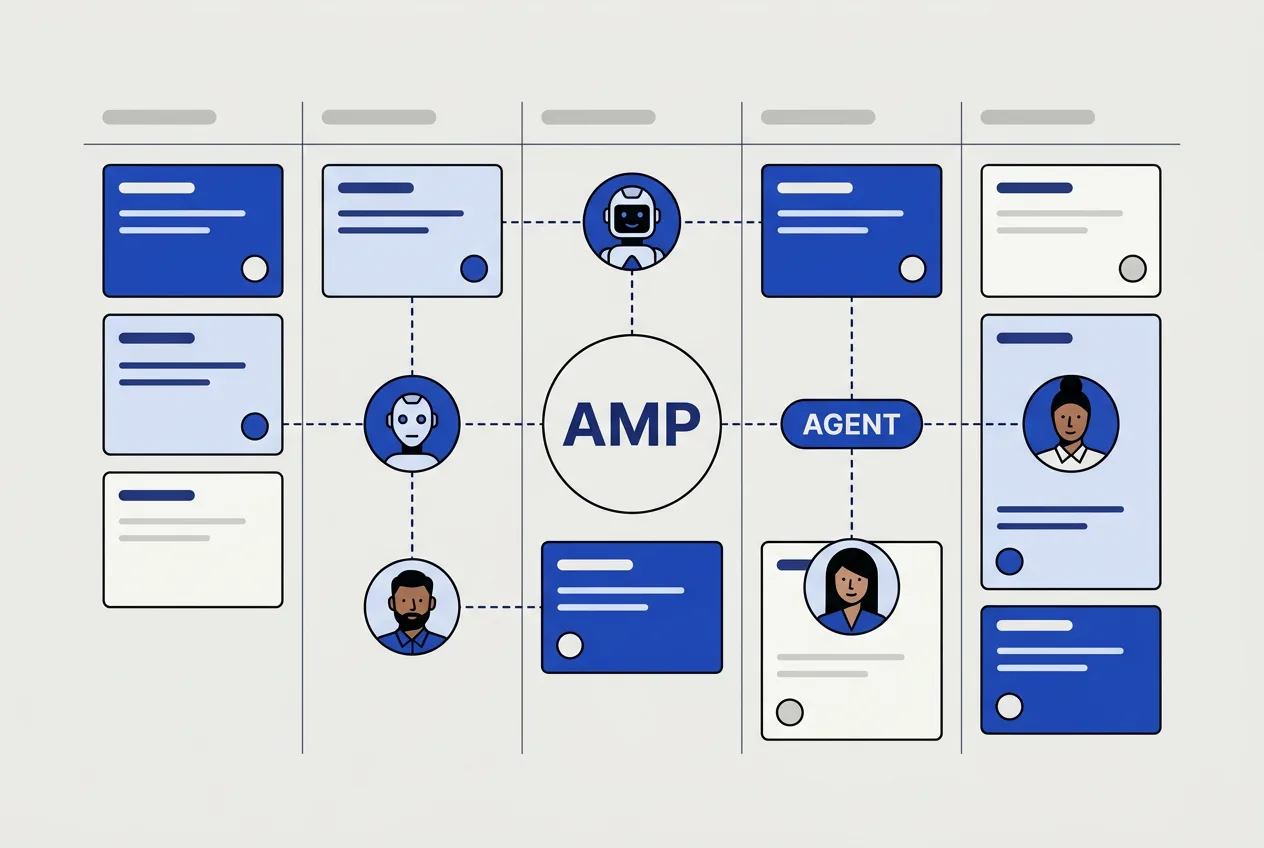
AI agents now receive their own identity and appear on boards, lists, and work items. The Agentic Multiplayer Protocol (AMP) supplies shared context, allows agents to collaborate, and lets teams review actions before they apply. A new Agents page in Space Settings shows available agents, triggers, prompts, autonomy levels, and auto-approval rules. Usage dashboards in the Reports tab track activity against cycle time and throughput with default charts and Rovo insights.
Space Policies give admins the option to enforce global fields, global statuses, or both as defaults for new team-managed spaces. Global statuses now work inside team-managed spaces to support consistent reporting. Custom space templates that include workflows, views, agents, and automations are available on Standard and Premium plans, not only Enterprise.
The table below summarizes the main additions.
| Area | Before Autumn 2026 | After Autumn 2026 |
|---|---|---|
| Board load time | Baseline | 22% faster |
| Work-item limit | 5,000 items | Removed |
| AI agent visibility | Not shown on boards | Visible with AMP controls |
| Space templates | Enterprise only | Standard and Premium |
| Global statuses in team spaces | Not supported | Supported for reporting |
Admins can test the new policies on a small set of spaces before applying them site-wide. Teams already using seasonal release tracks receive these features on the same schedule as other Jira Cloud customers.
Frequently asked questions
When will the Jira Autumn 2026 features reach general availability?
The features began rolling out on October 28, 2026, and reach general availability in November 2026 for all Jira Cloud instances.
Do the board performance changes affect existing workflows?
No. Workflows, permissions, and stored data remain exactly the same; only rendering speed and view options change.
Can teams still use the classic work item view after the update?
Yes. The option to revert to the classic layout stays available for any user who prefers it.
Which plans now receive custom space templates?
Standard and Premium plans gain access to custom space templates that include workflows, views, agents, and automations.
Comments 7