KuCoin Web3 Wallet 2026 Update Adds Intent Swaps and Limit Orders
The September 2026 update to KuCoin Web3 Wallet integrates intent-based swaps and limit orders into a single self-custodial interface across multiple chains.
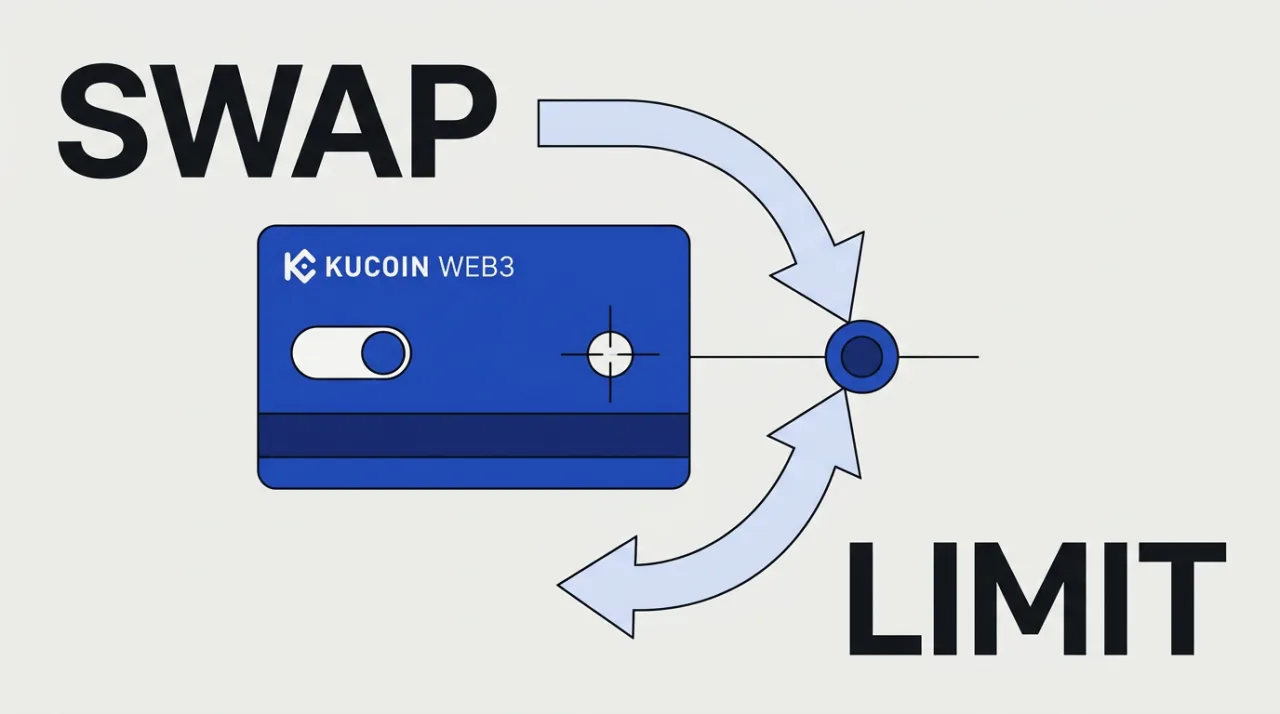
KuCoin Web3 Wallet received a major update in September 2026 that added intent-based onchain swaps and limit orders. The changes allow users to execute trades and set target prices without leaving the wallet or relying on separate decentralized applications.
The wallet remains non-custodial and supports more than 20 networks. It already included a cross-chain aggregator and perps trading before the update. The new tools consolidate several functions that previously required switching between apps.
KuCoin Web3 Wallet Adds Intent Swaps and Limit Orders
The core addition uses intent-based execution through UniswapX and PancakeSwapX. Users define the desired outcome, such as a specific token amount or price, while third-party solvers compete to fill the order with the best available liquidity. This setup can provide gas abstraction on supported routes and MEV protection against front-running and sandwich attacks.
Limit orders integrate via the 1inch protocol. Traders set a target price and expiry date, then sign the order cryptographically. The order remains offchain until filled, so no gas is spent and no capital is locked while it waits. Market swaps and limit orders now appear in the same interface inside the wallet.
A follow-up release in October 2026 extended PancakeSwap X support to eligible tokenized assets on BNB Smart Chain. Qualifying routes offer gasless execution and no fees for failed swaps, though initial token approvals may still require gas. These features apply only to supported assets and networks.
Expanded Routes for Crypto and Tokenized Assets
The update broadens execution paths for both native cryptocurrencies and eligible tokenized real-world assets such as stocks and ETFs. Availability depends on issuer rules, user location, network compatibility, and current liquidity. Not every RWA is accessible on every chain.
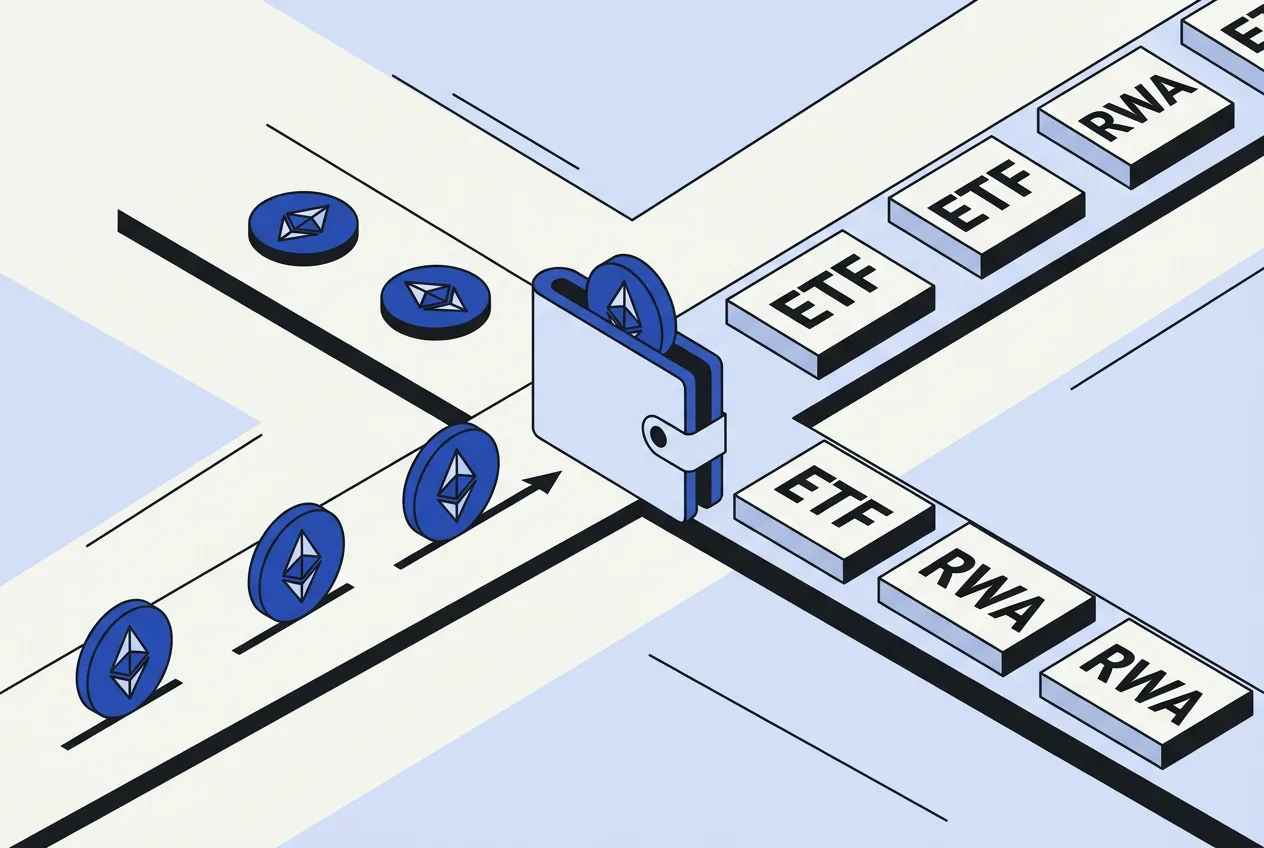
Cross-chain swaps rely on the wallet’s existing aggregator, now enhanced by the new intent routes. Users can move assets across supported networks while staying inside one interface. Execution quality depends on solver competition and route availability at the time of the trade.
Compared with standalone decentralized exchanges, the wallet approach reduces context switching. However, users still face standard risks including smart-contract vulnerabilities, liquidity gaps on certain pairs, and regulatory restrictions on tokenized assets. No platform guarantees execution at a quoted price.
| Feature | Pre-2026 Wallet | Post-Update Wallet |
|---|---|---|
| Swap execution | Basic aggregator | Intent-based via UniswapX / PancakeSwapX |
| Limit orders | Not native | 1inch integration, offchain until filled |
| Gas on failed orders | Standard | Gasless on qualifying PancakeSwap X routes |
| RWA support | Limited | Expanded routes subject to eligibility |
| MEV protection | Route dependent | Built into intent solvers |
Practical use involves opening the Swap tab, selecting market or limit mode, entering parameters, and confirming the signed transaction. Orders can be canceled before expiry if they remain unfilled. Performance metrics such as fill rates and slippage will determine long-term adoption of the self-custodial model.
Frequently asked questions
Does KuCoin Web3 Wallet charge fees for limit orders?
The wallet itself does not add extra fees for placing limit orders. Standard network gas applies only on initial approvals or successful fills, and some PancakeSwap X routes waive fees for failed attempts.
Which networks support the new intent swaps?
Supported chains include those compatible with UniswapX and PancakeSwap X, such as Ethereum and BNB Smart Chain. Exact coverage depends on route availability and solver participation at the time of the trade.
Can users trade tokenized stocks inside the wallet?
Eligible tokenized RWAs are available through expanded routes, but access requires meeting issuer requirements and regional eligibility rules. Liquidity and network support vary by asset.
How do limit orders stay offchain until filled?
Orders are signed cryptographically and stored offchain. They only move onchain when a solver matches them at the target price, avoiding gas costs while pending.
Comments 6