KuCoin Web3 Wallet Update Adds Intent-Based Swaps and Limit Orders
The September 2026 KuCoin Web3 Wallet update introduces intent-based on-chain swaps and limit orders while preserving self-custodial control across multiple networks.
The KuCoin Web3 Wallet update, announced on September 2, 2026, integrates intent-based swaps and limit orders into its self-custodial interface. Users can now execute market swaps through UniswapX and PancakeSwapX while placing limit orders via 1inch, all without leaving the wallet. The changes keep private key control with the account holder on more than 20 supported networks.
KuCoin Web3 Wallet Update Features Explained
The core addition centers on intent-based execution. Users specify desired outcomes for swaps rather than individual steps, and third-party fillers compete to complete the transaction. This approach expands liquidity access across routes and provides gas abstraction on supported paths, meaning eligible swaps can complete without direct gas payment from the user.
Limit orders allow setting a target price and expiry date. The order receives a cryptographic signature and remains off-chain until execution conditions are met. No gas is spent while the order waits, and capital stays unlocked in the wallet. Both market swaps and limit orders appear in the same interface for consistent navigation.
Support extends to certain tokenized real-world assets such as stocks and ETFs when issuer rules, user eligibility, and liquidity permit. A follow-up release on October 9 added PancakeSwap X routes specifically on BNB Smart Chain, enabling gasless execution and protection from failed-order fees in qualifying pairs.
Benefits, Limitations and Comparison
Route-dependent advantages include wider liquidity pools, competitive pricing, and MEV protection against front-running or sandwich attacks. The wallet already handled cross-chain swaps, native perpetuals on platforms such as Hyperliquid, and tokenized asset access through integrations like Ondo before the update. The new tools reduce the need to switch between external DApps.
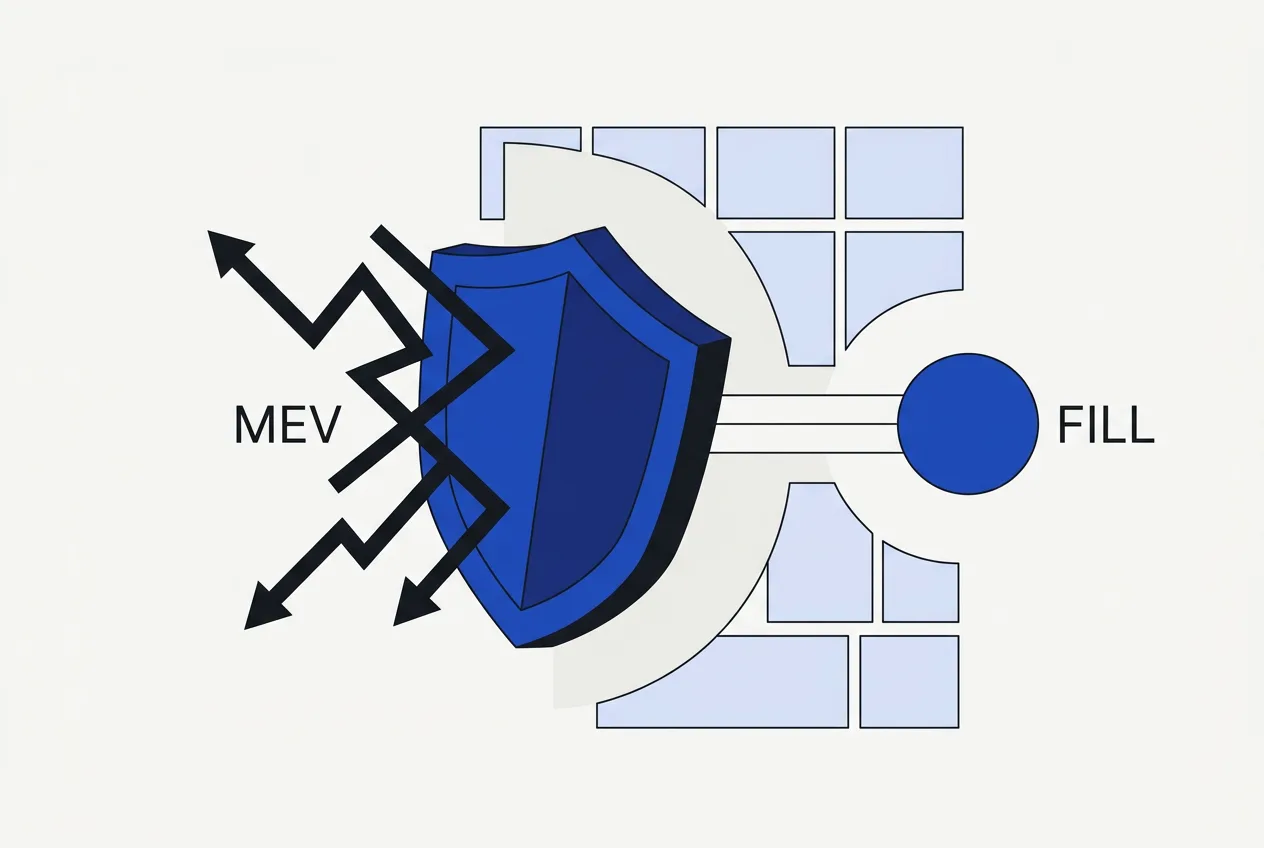
Limitations remain. Gas may still apply to initial approvals. Execution depends on available fillers, pair liquidity, and network conditions. Tokenized RWA trading is subject to issuer restrictions and user location rules. No public adoption or volume figures have been released as of October 19, 2026.
| Feature | KuCoin Web3 Wallet | Typical DEX Interface |
|---|---|---|
| Intent swaps | UniswapX, PancakeSwapX | Direct pool routing |
| Limit orders | 1inch integration, off-chain until fill | On-chain order books |
| Gas for pending orders | None until execution | Often required upfront |
| MEV protection | Route-dependent | Varies by aggregator |
| Self-custody | Private keys retained | Usually retained |
Users should verify liquidity and eligibility for each pair before placing orders. Failed transactions on unsupported routes can still incur approval costs. The wallet continues to function as a multichain platform for asset management and DApp access, now with tighter on-chain execution tools.
Frequently asked questions
How do limit orders work in the updated KuCoin Web3 Wallet?
Users set a target price and expiry. The signed order stays off-chain until filled. No gas is spent while the order remains pending, and funds stay in the wallet.
Which networks support gasless execution after the update?
Eligible routes through PancakeSwap X on BNB Smart Chain currently offer gasless swaps and no fees on failed orders. Availability depends on the specific trading pair and liquidity.
Can tokenized real-world assets be traded with the new swap tools?
Certain tokenized RWAs are supported when issuer requirements, user eligibility, network availability, and liquidity conditions are met. Not all assets or users qualify.
Does the wallet remain fully self-custodial after the September 2026 changes?
Yes. Users retain private key control. The update adds execution routes but does not alter custody arrangements or require transfer of keys to third parties.
Comments 1