Kyivstar GigaCloud Acquisition Expands Enterprise Cloud Options in Ukraine
Kyivstar acquires GigaCloud for up to $50 million. The move strengthens hybrid and sovereign cloud offerings for over 1,800 enterprise users while keeping operations separate.

Kyivstar Group agreed to acquire GigaCloud for up to $50 million in late October 2026. The transaction combines Kyivstar connectivity with GigaCloud’s existing data centers and customer base to support private, hybrid, and sovereign cloud workloads. GigaCloud continues as an independent unit inside the group with unchanged contracts and pricing.
Kyivstar GigaCloud Acquisition Terms and Timeline
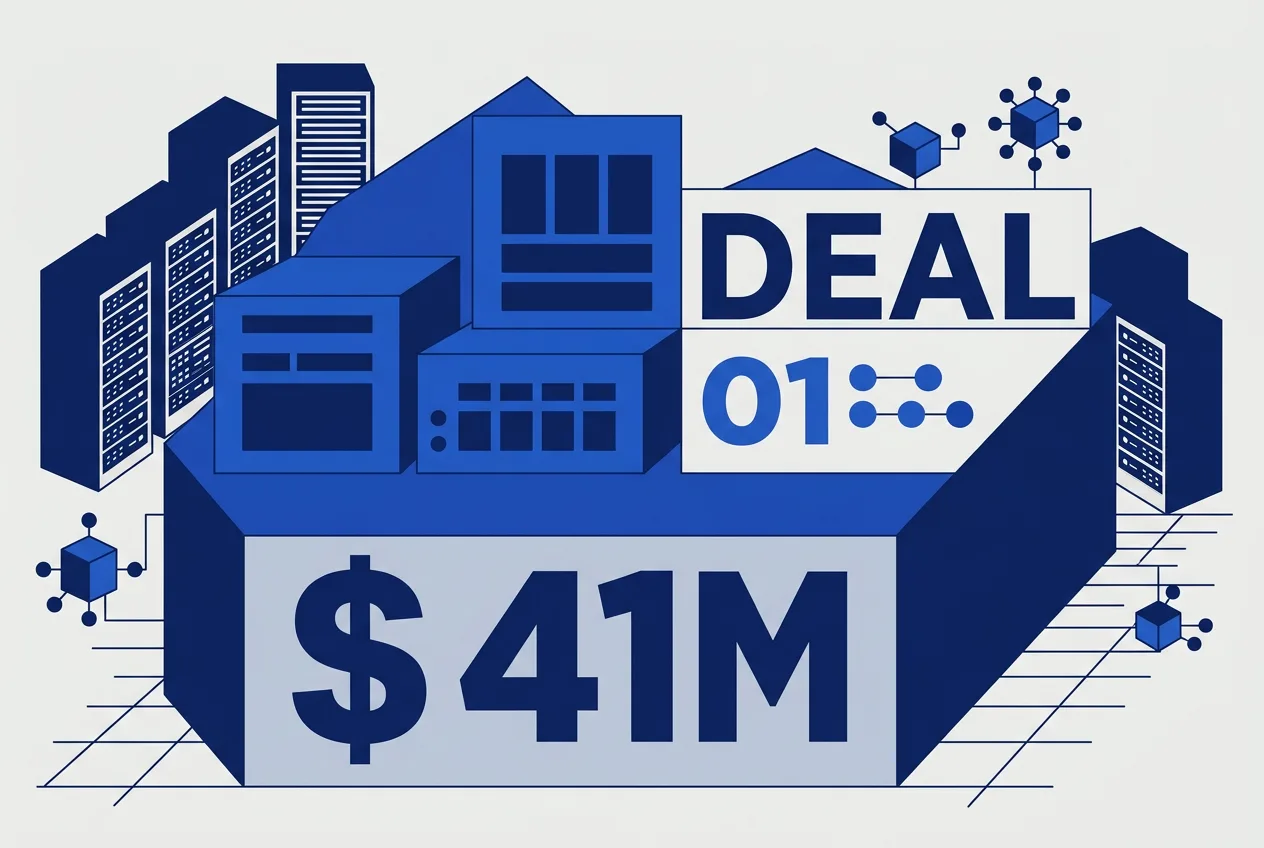
The deal includes a $41 million base payment, up to $4 million in deferred debt, performance milestones worth around $3 million, and $2 million for capital expenditure reimbursement. Kyivstar Group, a VEON subsidiary, completed the purchase after the Antimonopoly Committee of Ukraine granted approval in July 2026 with conditions that customers may select any internet provider and buy cloud services separately. Closing remains subject to standard regulatory steps.
GigaCloud, founded in 2016, reported roughly $14 million in 2025 revenue and 34 percent EBITDA margins. It manages 18 million GB of data for more than 1,800 enterprise clients, including Kernel and Naftogaz. Five data centers operate across Kyiv, Lviv, and Warsaw-area sites through partners Equinix and Atman, with additional capacity via OVH. The October 2026 Russian attack that disabled one GigaGroup facility did not interrupt GigaCloud services because of existing backups in Ukraine and the EU.
Effects on Ukrainian Cloud Storage Providers and Enterprise Choices
The acquisition adds scale to sovereign and hybrid cloud capacity at a time when demand for locally hosted infrastructure remains high. Kyivstar already operates its own cloud platform launched in June 2025; the GigaCloud unit supplies complementary private-cloud and AI-ready resources. Customers gain integrated connectivity and storage without forced bundling due to regulatory conditions.
Key competitors include De Novo, Tetcloud, and UCloud. The table below summarizes core differences based on public positioning.
| Provider | Focus | Locations | Enterprise Customers |
|---|---|---|---|
| GigaCloud (Kyivstar) | Private/hybrid, sovereign | Kyiv, Lviv, Warsaw | 1,800+ |
| De Novo | Enterprise virtualization | Ukraine | Undisclosed |
| Tetcloud | Public and private | Ukraine | Undisclosed |
Typical enterprise use cases involve migration of on-premise workloads to hybrid setups, deployment of AI training clusters that require local data residency, and disaster-recovery configurations that span Ukrainian and EU zones. Risks include integration delays during the post-closing period and potential future changes to management or investment priorities, though current statements indicate founders will continue leading the unit. Existing SLAs and support channels remain in place for the immediate term.
Frequently asked questions
Will GigaCloud pricing or contracts change after the Kyivstar acquisition?
Current customer contracts, SLAs, and pricing stay the same. GigaCloud operates as a separate business unit with its own management and support structure.
What data-center locations does GigaCloud provide after the deal?
Five facilities across Kyiv, Lviv, and Warsaw-area sites through partners Equinix and Atman, plus OVH capacity. Backups in Poland and EU zones remained active after the October 2026 incident.
How does the acquisition affect choice among Ukrainian cloud storage providers?
Customers can still select any ISP and purchase cloud services independently due to Antimonopoly Committee conditions. The combined offering adds hybrid connectivity options alongside existing competitors such as De Novo.
What enterprise workloads benefit most from the combined Kyivstar and GigaCloud resources?
Private-cloud migrations, AI infrastructure requiring local residency, and hybrid disaster-recovery setups across Ukraine and EU zones are the primary use cases supported by the expanded capacity.
Comments 11