Ledger Hardware Wallet Tampering Incidents Expose Supply Chain Risks
Reports of tampered Ledger devices sold through a Southeast Asian reseller show how supply chain attacks bypass factory security checks and drain wallets.
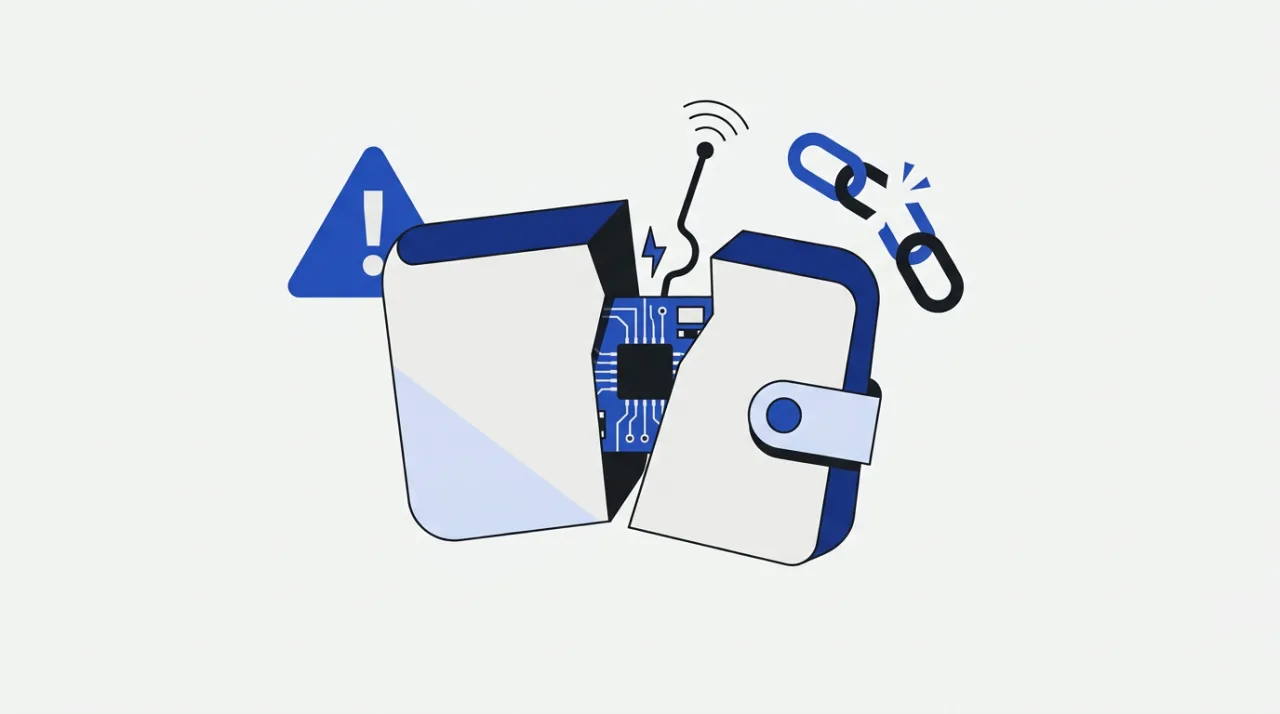
Ledger hardware wallet tampering has affected hundreds of users who purchased devices from authorized reseller CryptoBilis in Southeast Asia. Attackers installed hidden implants that captured seed phrases during setup and transmitted them over LTE. Losses reached an estimated $86 million to $102 million between October 9 and 13, 2026.
The incidents highlight vulnerabilities in the final stages of distribution rather than in the devices themselves. Ledger confirmed that all verified drains involved CryptoBilis-sold units, while spot checks elsewhere found no tampering.
Attack Method and Timeline of Ledger Hardware Wallet Tampering
Attackers acquired genuine Ledger Nano X, Stax, and Flex devices after factory production. They opened the units and inserted a small circuit board beneath the screen padding that included a microcontroller, antenna, LTE modem, and eSIM. The implant read the 24-word recovery phrase as it appeared on screen, decoded it, and sent the data to remote servers without modifying firmware or the Secure Element chip.
Reports of drained wallets surfaced on October 9, 2026. Ledger launched an investigation the same day and instructed CryptoBilis to halt sales. By October 10 the company confirmed an unauthorized implant in one device. Between October 11 and 13 it linked all confirmed drains to CryptoBilis inventory. On-chain data from Bitquery and Specter showed roughly 300 wallets affected across Bitcoin, Ethereum, Tron, and USDT holdings, with average losses near €282,000 per wallet.
Isolated claims of implants from other sellers, including Lazada in Thailand and MediaMarkt in Europe, remain unconfirmed by Ledger. The firm reported no verified drains outside the CryptoBilis channel and stated that its Donjon lab is continuing analysis of the implants.
Reseller Actions by OneKey, Trezor and Industry Response
OneKey terminated its authorization for CryptoBilis immediately. It launched a free replacement program for any OneKey device purchased from the reseller between March 1 and October 2026, with applications accepted until December 31, 2026. OneKey also released a public tamper-detection tool at tampered.app that analyzes device photographs and supports Ledger, Trezor, and its own models.
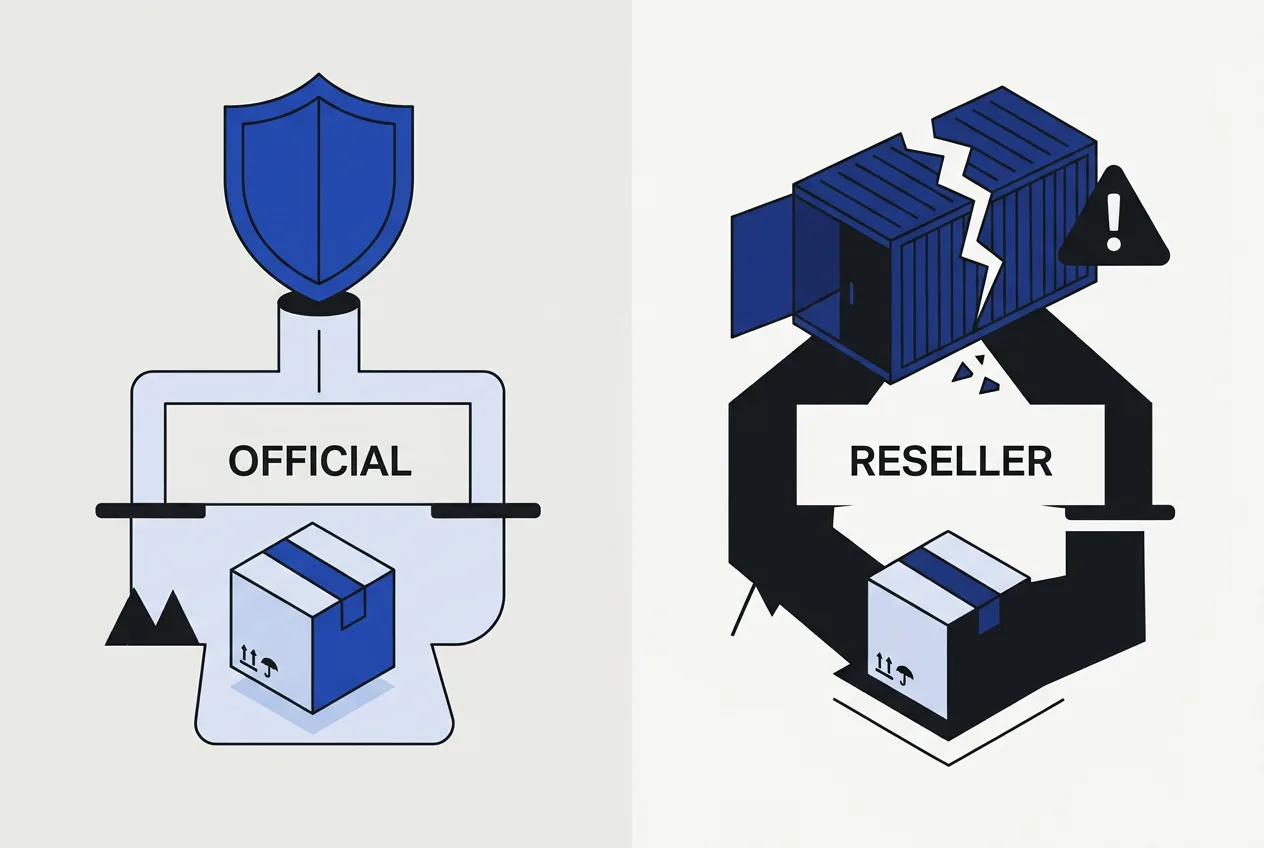
Trezor removed CryptoBilis from its authorized list and began reducing its overall reseller network, with some authorizations set to end on January 1, 2027. Both companies urged users to buy only from official channels and to consider multisig setups for larger holdings.
| Company | Reseller Action | User Support Offered |
|---|---|---|
| Ledger | Paused CryptoBilis sales; new shelf and return rules | Direct purchase advice; ongoing investigation |
| OneKey | Terminated authorization | Free replacements; tamper-detection tool |
| Trezor | Removed from list; network reduction | Official channel emphasis; multisig guidance |
Other brands such as Tangem and SafePal also sold through CryptoBilis but have not reported confirmed tampering incidents. The events have prompted calls across the sector for improved packaging seals, stricter reseller audits, and chain-of-custody verification.
Practical Steps to Reduce Hardware Wallet Tampering Risk
Users should verify that any seller appears on the manufacturer’s current authorized list before purchase. Devices bought from official Ledger or OneKey stores carry the lowest documented risk. When receiving a new unit, inspect packaging for signs of prior opening and compare serial numbers against the box.
Never initialize a device purchased from CryptoBilis or any secondary market source. If a suspect device has already been set up, transfer funds to a fresh wallet created on a verified unit bought directly from the manufacturer. Contact support only through official websites and never share seed phrases or PIN codes.
Regular checks of manufacturer advisories and on-chain monitoring of known affected addresses remain useful while investigations continue. The incidents underscore that physical supply chain security now requires the same attention previously given to firmware and chip design.
Frequently asked questions
How did the implants evade Ledger Genuine Check?
The implants read the seed phrase from the screen during setup and transmitted it externally. They left the Secure Element, firmware, and transaction signing process untouched, so standard integrity checks did not detect them.
Which devices were confirmed affected?
Ledger stated that all verified drains involved units sold by CryptoBilis, primarily Nano X models with some Stax and Flex reports. No confirmed drains have been tied to other resellers.
What should users do with a CryptoBilis device?
Do not initialize or use the device. Contact the manufacturer for replacement options where available and create a new wallet on a unit purchased directly from an official source.
Has OneKey reported any user losses?
OneKey has stated there are no confirmed losses from devices sold through CryptoBilis. It terminated the reseller relationship and opened a free replacement program for affected purchases.
Comments 15