NetApp Oracle cloud storage service delivers ONTAP tools for AI workloads
The OCI NetApp Storage Service announced in September 2026 integrates ONTAP data management into Oracle Cloud Infrastructure for AI pipelines and enterprise applications.
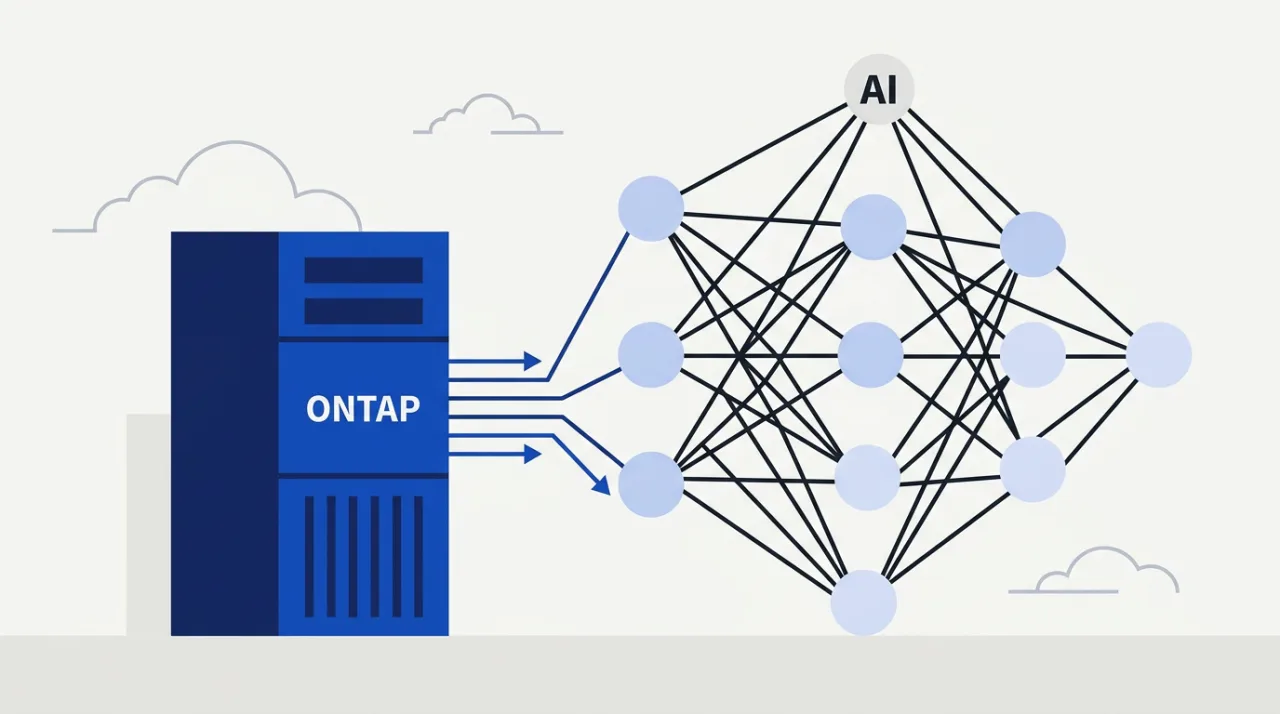
NetApp Oracle cloud storage service launched on September 29, 2026, as a fully managed native offering that runs ONTAP on Oracle Cloud Infrastructure. Organizations gain multiprotocol access, snapshots, and replication for AI data pipelines and regulated workloads without rebuilding applications.
The service supports lift-and-shift migrations from on-premises NetApp systems while keeping existing ONTAP workflows intact. It integrates directly into OCI billing and provisioning rather than operating as an add-on layer.
NetApp Oracle cloud storage features for AI and enterprise use
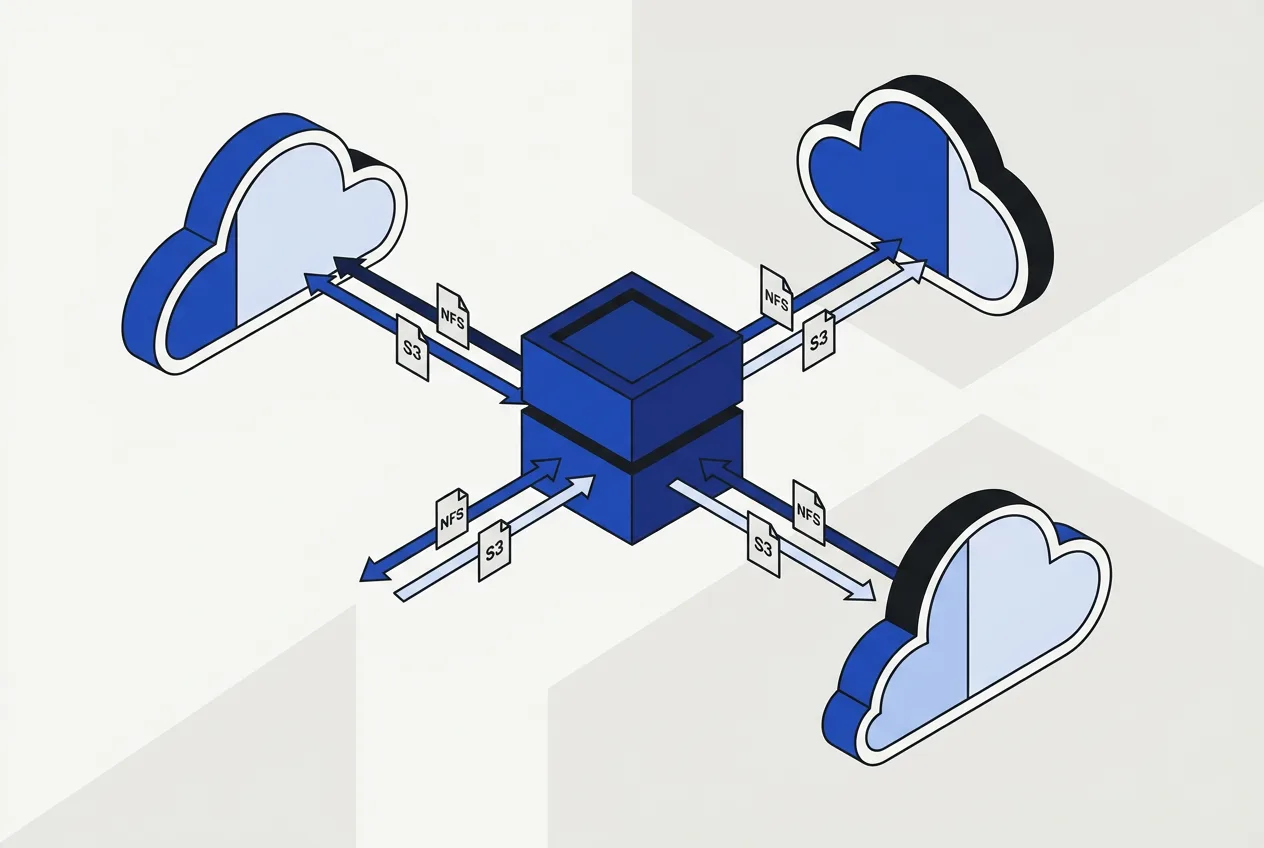
Core capabilities center on ONTAP functions delivered through the OCI console and APIs. Users access NFS, SMB, iSCSI, and S3 protocols in the same volume. Near-instant snapshots and clones support rapid testing of AI models, while SnapMirror handles cross-region replication for disaster recovery.
Additional controls include SnapLock WORM retention for compliance, Autonomous Ransomware Protection, and QoS policies that maintain predictable latency for database and VMware environments. Cold data tiering and deduplication reduce storage costs for large training datasets. FlexCache and FlexGroup allow scaling across availability zones without manual reconfiguration.
- Multiprotocol access: NFS, SMB, iSCSI, S3
- Data protection: snapshots, SnapMirror, application-consistent backups
- Security: SnapLock, Autonomous Ransomware Protection
- Performance: NVMe caching, in-memory acceleration, QoS
- Mobility: hybrid cloud data fabric with existing on-premises systems
Management remains consistent across environments. Teams continue using ONTAP APIs and scripts while OCI handles provisioning and metering. This approach reduces training time for operations staff already familiar with NetApp tools.
Comparison to NetApp services on other clouds
NetApp already operates similar native services on AWS, Azure, and Google Cloud. The OCI version follows the same pattern of co-engineering with the hyperscaler to deliver first-party integration. Differences appear mainly in supported protocols and integration depth with each cloud’s AI and database services.
| Service | Primary Cloud | Key Integration | Target Workloads |
|---|---|---|---|
| FSx for NetApp ONTAP | AWS | Direct FSx file system access | EDA, HPC, databases |
| Azure NetApp Files | Azure | ANF volumes in Azure portal | VMware, SAP, AI training |
| Google Cloud Volumes | Google Cloud | Native Google Cloud console | Analytics, containerized apps |
| OCI NetApp Storage Service | Oracle Cloud | OCI console and SDK | Oracle databases, AI pipelines, regulated apps |
General availability is scheduled within 12 months of the announcement, placing launch no later than September 2027. VMware datastore certification is expected at general availability. Pricing remains undisclosed at this stage, but the service will appear in standard OCI billing.
Enterprises running Oracle databases alongside NetApp systems gain a direct path to OCI that preserves data protection policies and governance rules. Hybrid setups benefit from unified replication between on-premises clusters and OCI without protocol translation layers.
Frequently asked questions
When will OCI NetApp Storage Service reach general availability?
NetApp and Oracle stated general availability within 12 months of the September 29, 2026 announcement. This sets an expected window ending September 2027. VMware datastore support is planned for the same release.
Which protocols does the new OCI NetApp service support?
The service provides NFS, SMB, iSCSI, and S3 access on the same volumes. This matches existing ONTAP multiprotocol behavior used in on-premises and other cloud deployments.
How does the service help with regulated AI workloads?
SnapLock WORM retention, application-consistent snapshots, and Autonomous Ransomware Protection address compliance and data governance needs. These features operate without moving data outside the chosen availability zones.
What migration scenarios fit the OCI NetApp Storage Service?
Typical uses include lift-and-shift of Oracle databases, VMware environments, and AI data pipelines. Existing ONTAP replication and snapshot policies transfer directly, reducing the need to redesign protection workflows.
Comments 13