Nigeria CBN P2P rules 2026 mandate BVN matching for all platform trades
CBN circular of 5 November 2026 introduces BVN matching for P2P crypto trades, new capital requirements and 180-day licensing window for operators.
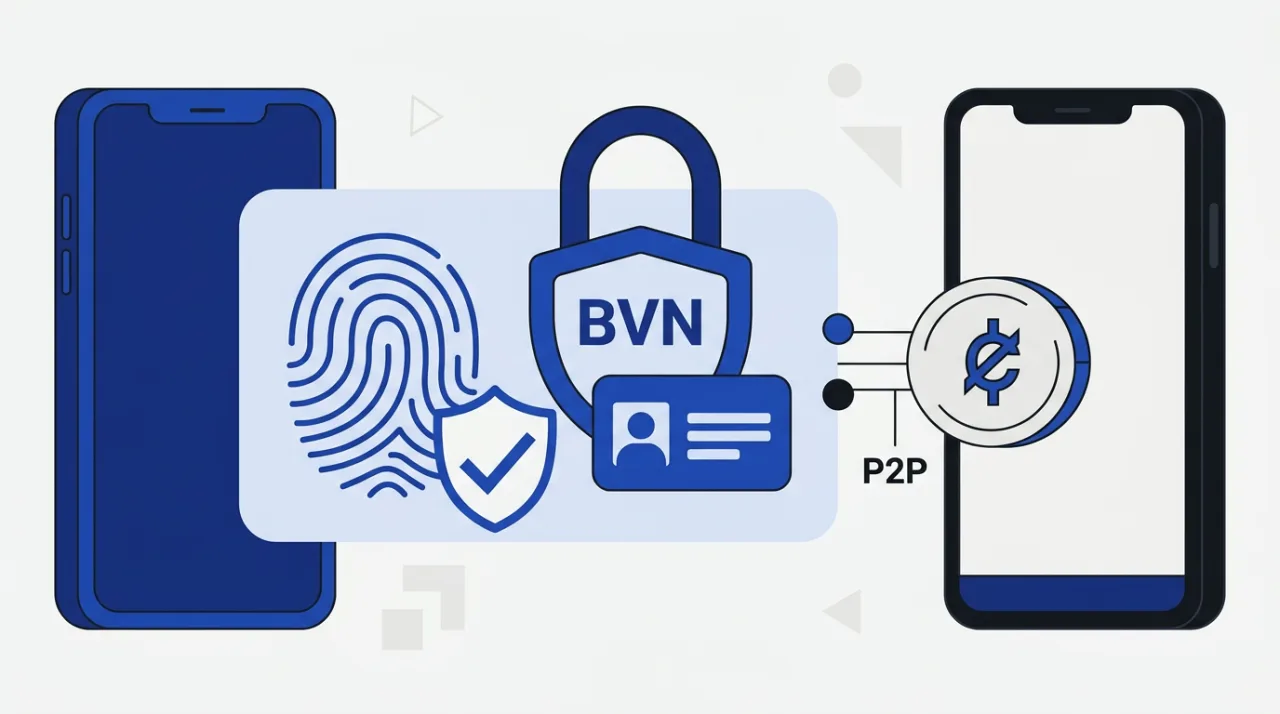
Nigeria CBN P2P rules 2026 took effect on 5 November through circular PSP/DIR/PUB/CIR/001/004. The regulations cover stablecoins, deposit money tokens and platform-facilitated P2P services. They require explicit approval for any matching, escrow or payment facilitation activity.
Platform operators must now verify that the name and BVN on every naira payment account exactly match the verified customer. Third-party or nominee accounts are prohibited. Pure peer-to-peer trades between individuals without platform involvement remain outside these rules.
Nigeria CBN P2P rules 2026 BVN matching and capital requirements
Section 10.3.3 of the circular states that regulated tokens cannot be released until BVN and name verification succeed on both sides of the transaction. This applies to Class 1 naira-referenced stablecoins, Class 2 foreign-currency stablecoins and deposit money tokens. Platforms must link every naira leg to the corresponding token movement in their records.
Capital thresholds differ by activity. Class 1 stablecoin issuers need ₦10 billion paid-up capital. Class 2 issuers require ₦15 billion. Other virtual-asset service providers, including P2P facilitators, must hold ₦1 billion in addition to any SEC capital. Class 2 issuers must also maintain Nigerian incorporation, local management and a physical office with CBN access.
Algorithmic stablecoins are banned. Stablecoin issuers must hold 1:1 reserves plus a 2 percent over-collateralisation buffer. P2P naira-to-foreign-stablecoin trades additionally require separate foreign-exchange approval to prevent creation of parallel FX markets.
| Entity type | Minimum paid-up capital | Additional conditions |
|---|---|---|
| Class 1 stablecoin issuer | ₦10 billion | Naira-referenced, CBN reserves rules |
| Class 2 stablecoin issuer | ₦15 billion | Nigerian entity, local office, 2 % buffer |
| P2P facilitator / exchange / wallet | ₦1 billion | Plus SEC capital if applicable |
Compliance steps and transition timeline for operators
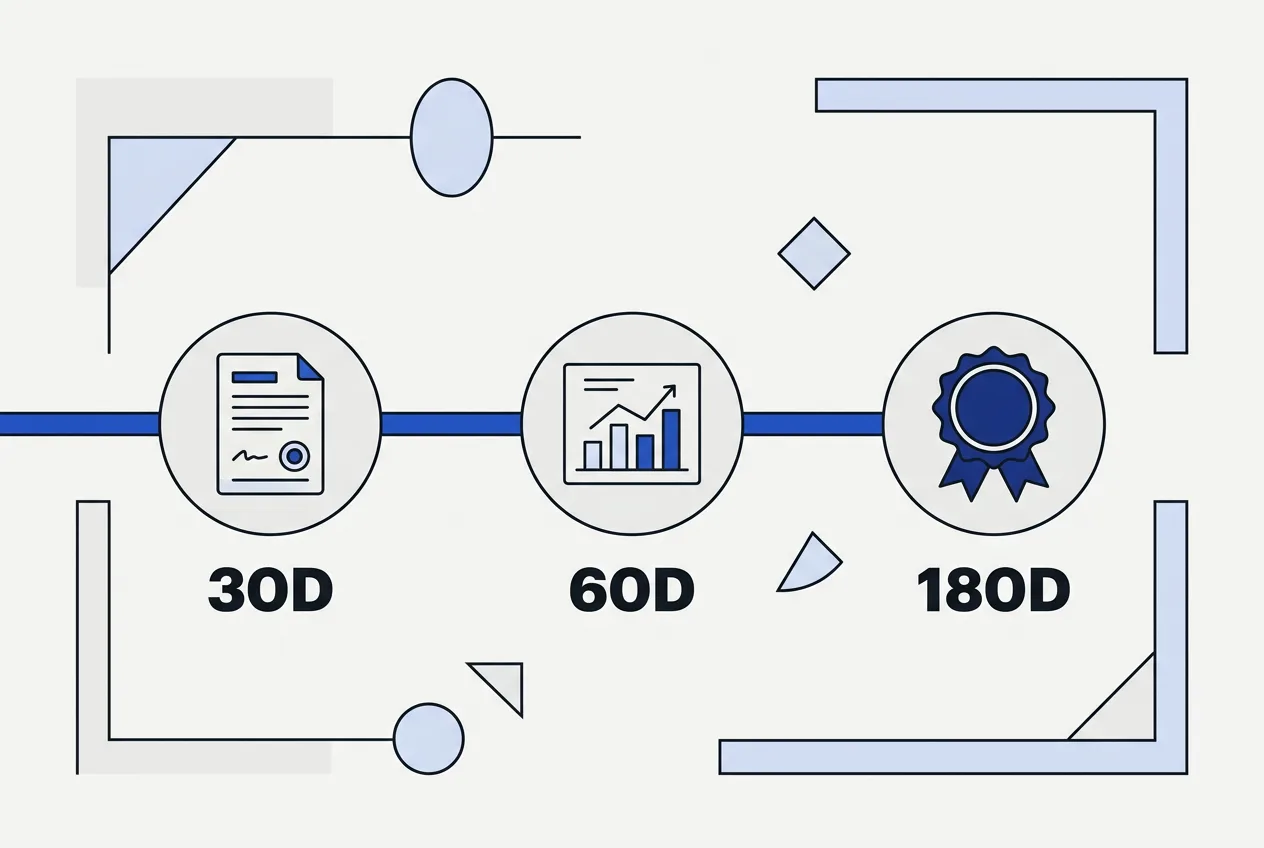
Existing operators must register with the CBN within 30 days of 5 November 2026. They must begin supervisory reporting within 60 days and submit a full licence application within 180 days. During this period they may continue operations under interim conditions while meeting AML/CFT/CPF obligations immediately.
Platforms need to implement customer due diligence, transaction monitoring that connects naira and token flows, sanctions screening and Travel Rule compliance. High-volume users require enhanced checks. Non-compliance can trigger fines of at least ₦100 million plus daily penalties or orders to cease activity.
Operators should first assess whether their services fall under the new P2P approval category. Next they must upgrade verification systems to enforce real-time BVN and name matching. Finally they should prepare detailed licence documentation covering capital, governance and risk controls before the 180-day deadline.
Further CBN circulars will clarify exact commencement triggers and token approval processes. Companies that delay system upgrades or capital raises face the greatest operational risk once the interim window closes.
Frequently asked questions
What is the BVN matching rule under Nigeria CBN P2P rules 2026?
Platforms must confirm that the name and BVN on the naira payment account match the verified customer before releasing any regulated token. Third-party accounts are not permitted.
How much capital do P2P facilitators need under the new CBN rules?
Non-security virtual asset service providers require ₦1 billion paid-up capital in addition to any existing SEC requirements.
What is the timeline for existing crypto platforms to apply for licences?
Operators must register within 30 days, start reporting within 60 days and submit full applications within 180 days of 5 November 2026.
Do individual crypto trades between two people require CBN approval?
No. Only platform-facilitated P2P services such as matching or escrow fall under the new rules; direct private trades remain unregulated by this circular.
Comments 12