P2P crypto exchangers 2026: escrow mechanics, dispute timelines and KYC requirements compared
P2P crypto exchangers 2026 differ sharply in how they handle escrow, resolve disputes and apply KYC. This comparison outlines the mechanics, timelines and requirements for custodial and non-custodial options.
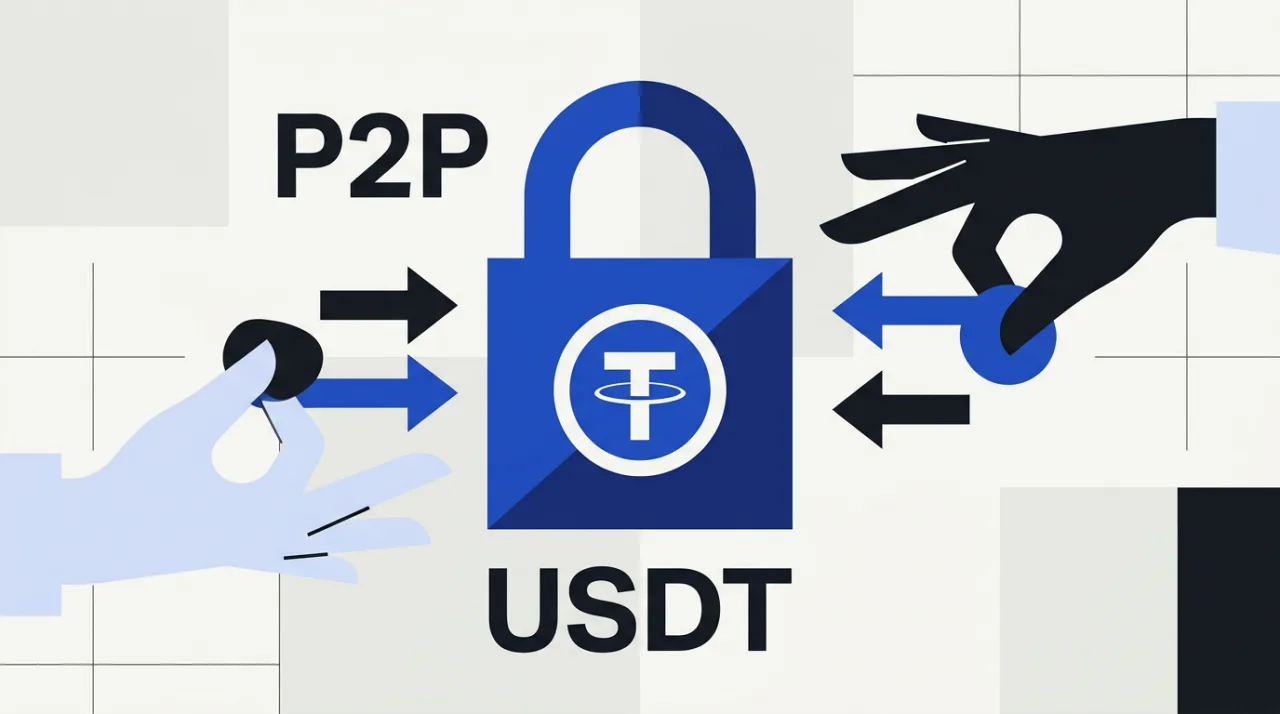
P2P crypto exchangers 2026 continue to split between custodial platforms that lock assets centrally and non-custodial services that rely on multisig or smart contracts. Traders must weigh escrow protection, dispute speed and identity rules before selecting a venue. Liquidity remains concentrated on a handful of large platforms after earlier market exits.
Escrow mechanics across custodial and non-custodial P2P platforms
Custodial services such as Binance, Bybit, OKX, MEXC and KuCoin place seller crypto into platform-controlled escrow at order creation. The buyer completes payment through external channels like bank transfers or e-wallets, after which the seller confirms receipt and the platform releases the coins. Fiat transfers receive no escrow coverage, leaving chargeback risk with the seller.
Non-custodial platforms avoid central custody. Bisq and Hodl Hodl use 2-of-2 or 2-of-3 multisig wallets that require platform or arbitrator co-signing on disputes. RoboSats and similar services employ Lightning hold invoices or smart contracts to secure funds until release conditions are met. These models keep coins outside platform wallets but require users to manage keys and understand contract flows.
Name-match rules on custodial platforms block payments where account names differ from verified identities, often triggering refunds or account flags. Some services impose T+1 or T+2 withdrawal holds on newly purchased coins when accounts show prior disputes. Merchant deposits on Bybit add another layer of security for high-volume traders.
Dispute timelines, KYC rules and fee structures in 2026
Dispute handling varies by platform. Bybit provides a fast-track option for eligible USDT trades that can conclude in roughly 15 minutes when both parties agree; otherwise normal review exceeds 48 hours and appeals must occur within five calendar days of closure. Binance allows a 10-minute counterparty response window before support intervention. OKX permits self-service appeals up to 72 hours after order creation, with support responses targeted within 24 hours while assets remain frozen.
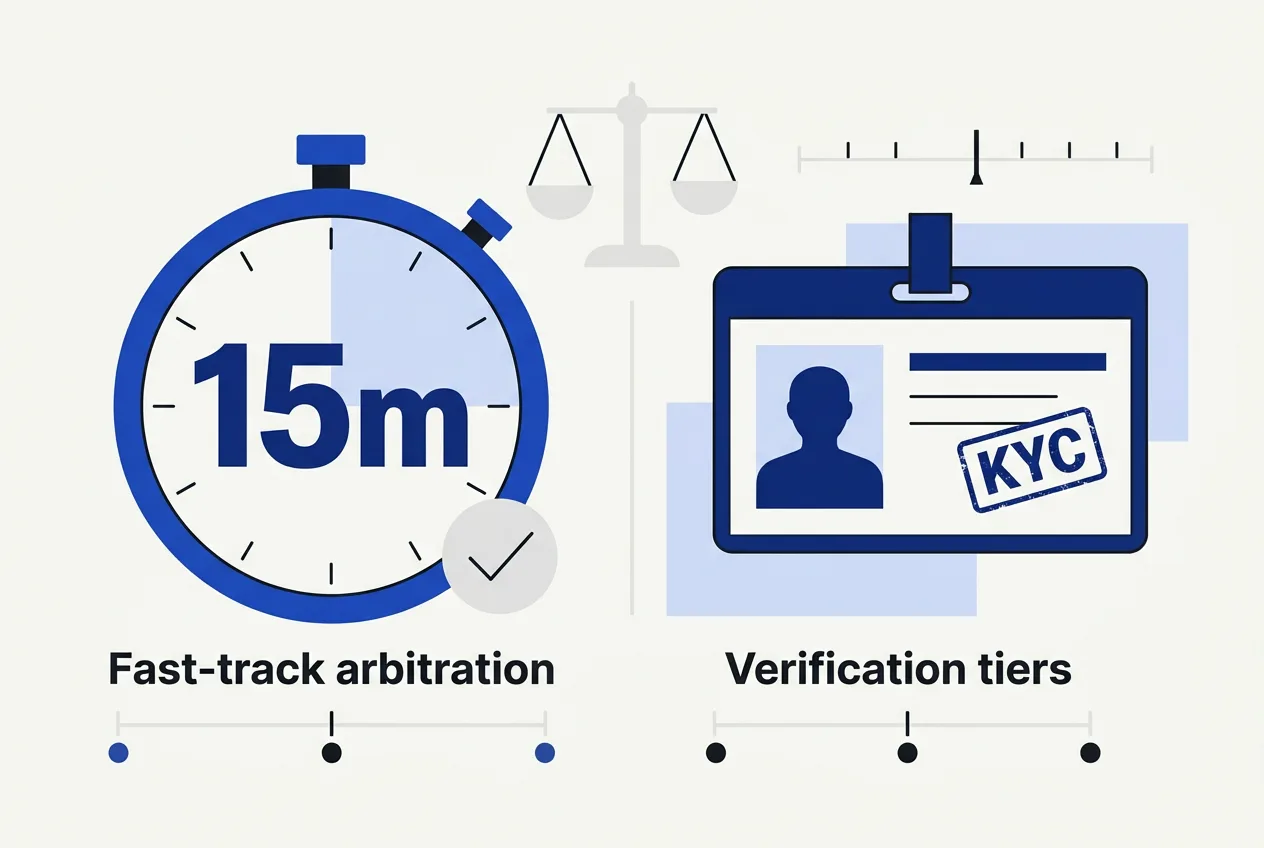
MEXC, KuCoin and similar custodial venues require in-order evidence submission without fixed published deadlines. Non-custodial services route disputes to arbitrators who co-sign multisig releases, though timelines depend on arbitrator availability and user responsiveness. Penalties for repeated malicious appeals exist on most custodial platforms.
All major custodial P2P services mandate full identity verification using government ID and often a selfie or liveness check. MEXC allows P2P access after primary KYC; advanced verification raises limits. KuCoin has required platform-wide verification since early 2026. Non-custodial options such as Bisq, Hodl Hodl and RoboSats operate without routine KYC, though some request documents during high-value disputes or tier upgrades.
Platform trading fees remain zero or near-zero on most custodial P2P markets, with occasional maker charges on specific currency pairs. Non-custodial fees range from 0.15 percent maker and 1.15 percent taker on Bisq to approximately 0.75 percent per side on Hodl Hodl and 0.2 percent total on RoboSats. External payment-provider charges apply in all cases.
| Platform | Escrow Type | Typical Dispute Timeline | KYC Required | Platform Fee |
|---|---|---|---|---|
| Binance | Custodial | 10-minute response then support review | Full ID + selfie | 0% (select markets) |
| Bybit | Custodial | 15 minutes fast-track or >48 hours | Full ID + selfie | 0% or low on some pairs |
| OKX | Custodial | Self-service up to 72 hours, ~24-hour response | Full ID + selfie | 0% |
| MEXC | Custodial | In-order evidence review, no fixed deadline | Primary ID for P2P | 0% |
| Bisq | Non-custodial multisig | Arbitrator co-sign, variable | None routine | 0.15–1.15% |
| Hodl Hodl | Non-custodial multisig | Arbitrator co-sign, variable | None routine | 0.75% per party |
Users should verify current limits and hold periods directly, as regulatory pressure continues to shape verification thresholds and appeal procedures. Non-custodial alternatives suit privacy-focused Bitcoin trades but demand greater technical familiarity.
Frequently asked questions
How long do disputes typically take on major P2P platforms?
Bybit fast-track cases can resolve in about 15 minutes. Binance uses a 10-minute response window before support review. OKX targets 24-hour responses after a 72-hour appeal window. Other custodial platforms lack fixed public deadlines.
Which P2P exchangers require KYC for trading?
Binance, Bybit, OKX, MEXC and KuCoin all require government ID and often a selfie for P2P access. Non-custodial services such as Bisq and Hodl Hodl do not impose routine verification.
What fees apply to P2P trades in 2026?
Most custodial platforms charge zero platform fees. Non-custodial options range from 0.15 percent to 1.15 percent depending on the service and role. Payment-provider fees remain separate.
Do non-custodial P2P platforms protect against chargebacks?
No escrow model covers fiat chargebacks. Custodial platforms suspend accounts on payment mismatches, while non-custodial services rely on multisig or contract release after proof of payment.
Comments 1