PHP security patch 2026 rollout shows host responses to critical RCE flaws
Major hosts completed PHP security patch 2026 deployment within days after emergency releases for two CVSS 9.2 RCE vulnerabilities on October 21.

PHP released emergency patches on October 21, 2026, for two unauthenticated remote code execution vulnerabilities rated CVSS v4.0 9.2. The flaws affected PHP versions 8.2.x before 8.2.35, 8.3.x before 8.3.36, 8.4.x before 8.4.27, and 8.5.x before 8.5.12. Hosts that serve web requests faced the highest exposure through PHP-FPM and Apache mod_php.
Exploitation attempts appeared quickly, including scans reported by Cloudflare on the same day. No widespread successful compromises were confirmed by October 24. PHP stated that full updates remain the only reliable fix, though partial configuration changes were published as temporary measures.
PHP security patch 2026 handling by leading providers
SiteGround deployed server-level mitigations before the public release and completed full patches across its fleet within hours, requiring no action from customers. Cloudways applied interim controls on DigitalOcean infrastructure and finished rollout for both current and extended-support versions by October 22.
Kinsta combined Cloudflare WAF rules with patches across PHP 7.4 through 8.5, marking the incident resolved on October 22. WP Engine followed a similar path with Fastly and Cloudflare protections before confirming all customer sites ran updated binaries.
GoDaddy completed updates on its managed WordPress, Windows, and shared hosting platforms while leaving VPS customers responsible for their own upgrades. Bluehost and HostGator, both under Newfold Digital, had the majority of servers updated by October 23 with remaining platforms receiving mitigations during the final phase.
cPanel released EasyApache 4 packages version 25.91 and CloudLinux supplied backported alt-php builds through stable repositories. Administrators using these systems applied updates via standard package managers and restarted PHP-FPM or Apache services afterward.
| Provider | Mitigation start | Full patch date | Customer action required |
|---|---|---|---|
| SiteGround | Pre-release | Oct 21 | None |
| Cloudways | Pre-release | Oct 22 | None for managed |
| Kinsta | Oct 21 | Oct 22 | None |
| WP Engine | Oct 21 | Oct 22 | None |
| GoDaddy (managed) | Oct 21 | Oct 22 | None |
| Bluehost / HostGator | Oct 21 | Oct 23+ | Check status |
Practical steps after the PHP security patch 2026
Self-managed servers require immediate upgrade to the fixed versions followed by a restart of PHP workers. Version numbers on backported packages may stay unchanged, so administrators must verify changelogs for the specific CVE identifiers rather than relying on release numbers alone.
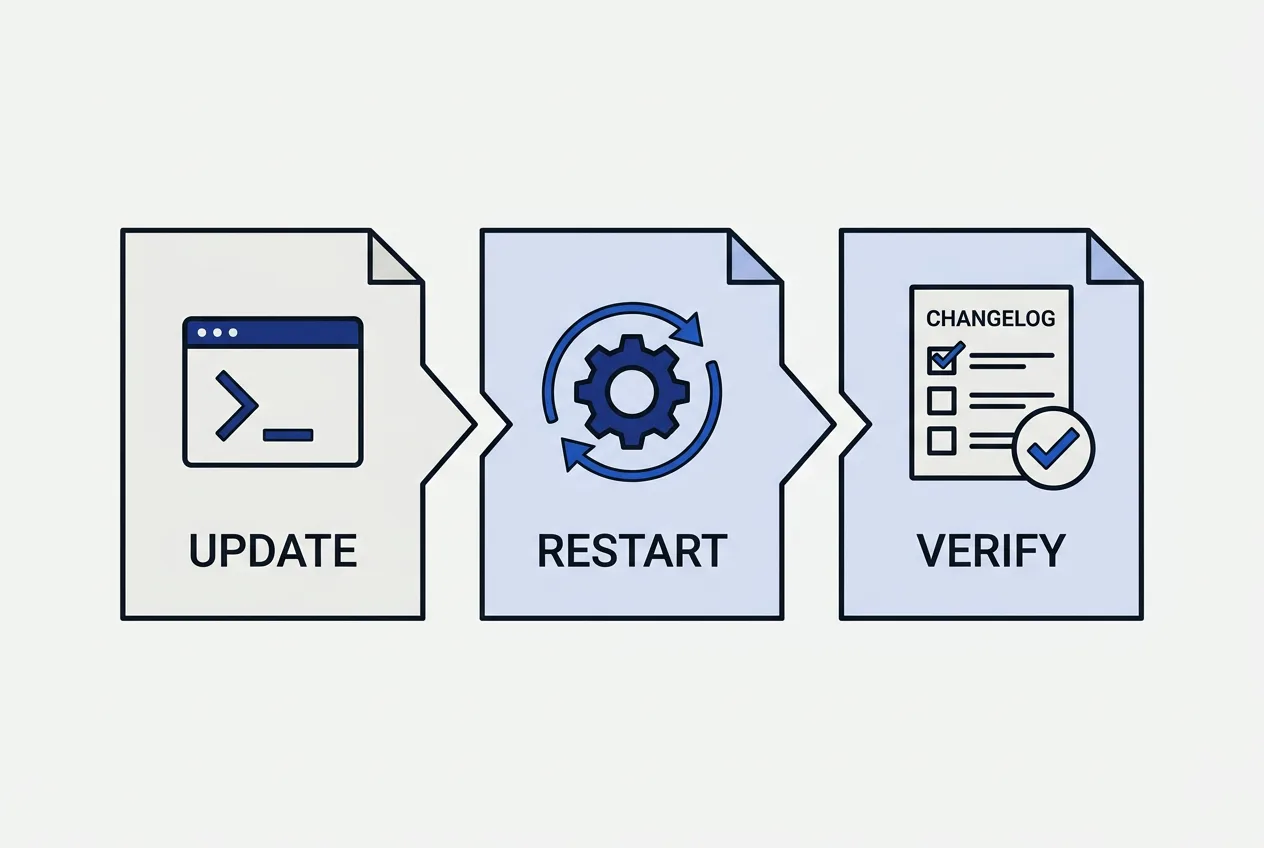
Additional configuration settings such as disabling session.upload_progress or setting aggressive memory limits offer only partial protection and should not replace the update. A separate configuration-dependent issue, CVE-2026-115560, was disclosed on October 23 and remains unaddressed by the October 21 patches.
Operators running PHP 8.2 should note its end-of-life date of December 31, 2026, and schedule migration to a supported branch. Ongoing monitoring for exploitation attempts continues, with CISA and other agencies maintaining alerts for internet-facing systems.
Hosts using cPanel or CloudLinux systems can confirm fixes through package changelogs after running yum or dnf updates. Regular verification of worker processes and review of access logs help detect any residual activity linked to the original vulnerabilities.
Frequently asked questions
Which PHP versions needed the October 2026 security patch?
All installations running PHP 8.2.x before 8.2.35, 8.3.x before 8.3.36, 8.4.x before 8.4.27, or 8.5.x before 8.5.12 required the update. Older branches received only limited backports where available.
Did customers need to take action on managed hosting plans?
Most major providers completed server-wide updates without requiring customer intervention. Self-managed VPS and dedicated servers needed manual upgrades and service restarts.
How can administrators verify the patch was applied?
Check package changelogs for references to CVE-2026-109618 and CVE-2026-109619 after running system updates. Restart PHP-FPM or Apache to ensure new binaries load.
What additional risk appeared after the initial patches?
CVE-2026-115560 was disclosed on October 23 and affects session upload progress configurations. It was not covered by the October 21 releases.
Comments 10