PHP2Shell patches hosts across major providers as of November 2026
As of 2 November 2026, 34 of 76 tracked providers report applied PHP2Shell patches or mitigations on managed plans, though status varies by PHP version and plan type.

PHP2Shell patches hosts show uneven progress two weeks after the 21 October 2026 disclosure of CVE-2026-109618 and CVE-2026-109619. Managed and shared hosting accounts at 34 providers now carry official fixes or equivalent backports, while self-managed VPS and dedicated servers remain the customer responsibility at most companies.
PHP2Shell patches hosts: confirmed and rolling-out providers
The PHP project released fixes in versions 8.2.35, 8.3.36, 8.4.27 and 8.5.12. Older branches 8.1 and below received source-only backports, and EOL versions have none. Many hosts rely on CloudLinux or cPanel packages that keep the visible PHP version number unchanged; verification requires checking build dates or changelogs instead.
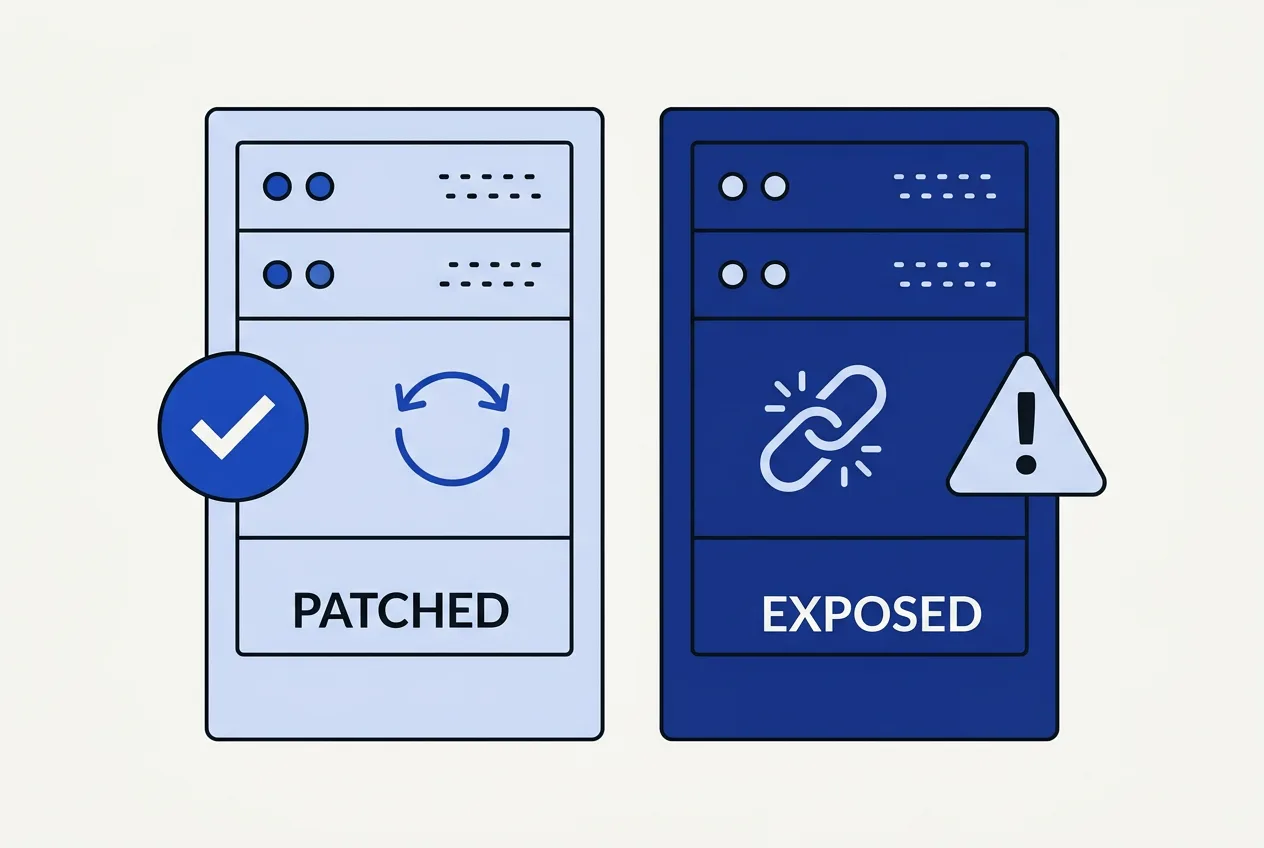
Provider statements collected through early November list the following hosts as fully patched on managed and shared platforms: SiteGround, Hostinger, GoDaddy, DreamHost, WP Engine, Kinsta, Cloudways, Namecheap, IONOS, A2 Hosting, OVHcloud, Hetzner, 20i, Servebolt and One.com. These firms applied server-wide fixes without requiring customer action on managed plans.
Bluehost, HostGator, InMotion, Liquid Web, Nexcess and Pantheon report staged or partial deployments still underway as of late October. Self-managed VPS customers at GoDaddy, Hostinger, DigitalOcean and AWS must update PHP packages themselves and restart workers. Control-panel vendors including cPanel, Plesk and CloudLinux released backports within hours of the upstream release.
| Status | Providers | Notes |
|---|---|---|
| Fully patched | SiteGround, Hostinger, GoDaddy, DreamHost, WP Engine, Kinsta, Cloudways, Namecheap, IONOS, A2 Hosting, OVHcloud, Hetzner | Server-wide on managed/shared; verify build dates |
| Rolling out | Bluehost, HostGator, InMotion, Liquid Web, Nexcess, Pantheon | Majority complete; remaining platforms pending |
| Customer-managed | DigitalOcean, AWS Lightsail/EC2, most VPS plans | Update PHP and restart workers manually |
Verification steps and ongoing risks for unpatched servers
Users on managed hosting should contact support and request confirmation that both CVEs are addressed plus a record of PHP worker restarts. Pre-release mitigations such as WAF rules or disabled session.upload_progress.enabled do not replace the need for the official patches.
Self-managed servers require explicit package updates to the patched versions followed by service restarts. Exploitation attempts began on 17 October and continue, with the vulnerabilities listed in CISA KEV. A follow-up lower-severity issue, CVE-2026-115560, has also been disclosed, prompting providers to monitor for additional updates.
Before the disclosure roughly 59 percent of internet-facing PHP installations ran unsupported branches, increasing exposure on hosts that have not yet completed deployment. Regular checks against provider status pages remain the most reliable way to track further changes.
Frequently asked questions
How do I confirm my host applied the PHP2Shell patches?
Ask support for the PHP build date or changelog entry covering CVE-2026-109618 and CVE-2026-109619. On CloudLinux or cPanel systems the visible version number may stay the same after a backport.
Which hosts still require customer action for PHP updates?
VPS and dedicated plans at GoDaddy, Hostinger, DigitalOcean and AWS place update responsibility on the user. Managed and shared plans at the same companies usually receive automatic fixes.
Are there risks if my host has not finished deploying fixes?
Active exploitation continues and the flaws carry a CVSS v4 score of 9.2. Older unsupported PHP branches remain exposed even after partial rollouts.
What should I do on a self-managed VPS after applying the patches?
Restart PHP-FPM or Apache workers once packages are updated. Confirm the new build date appears in phpinfo() or the server logs.
Comments 7