Project Management Software Market 2036 Forecast Shows Steady Cloud and AI Expansion
The project management software market 2036 is projected to reach USD 32.27 billion, led by cloud platforms and AI-driven automation.
The project management software market 2036 stands at a projected USD 9.60 billion in 2026 and is expected to reach USD 32.27 billion by 2036, reflecting a 12.9 percent CAGR according to Future Market Insights data released in October 2026. Cloud deployments already hold 64.3 percent of the market share, while large enterprises account for roughly 57.8 percent of current implementations. These figures illustrate how digital transformation and hybrid work patterns continue to shape demand for scalable collaboration tools.
Project Management Software Market 2036 Size and Main Drivers
Market expansion rests on several measurable factors. Remote and hybrid teams require real-time visibility into task status, resource allocation, and risk signals. Project complexity has risen with multi-vendor supply chains and regulatory reporting needs, pushing organizations toward platforms that centralize data rather than rely on disconnected spreadsheets.
Key drivers include widespread digital transformation programs, demand for automated forecasting, and the shift from on-premise installations to subscription models. Reports from multiple analysts note that automation of status reporting and workload balancing now ranks among the top purchase criteria for both mid-size firms and enterprises.
Vendors such as Microsoft, Atlassian, Asana, monday.com, Smartsheet, Wrike, ClickUp, Oracle, SAP, and Zoho compete on integration depth and customization speed. Differences in pricing, API access, and industry templates remain the main points of differentiation rather than headline feature counts.
Cloud PM Tools Growth and Regional CAGR Comparisons
Cloud-based platforms continue to outpace on-premise alternatives. Australia and New Zealand lead with an 18.9 percent CAGR, driven by rapid SaaS migration among government and construction sectors. Japan follows at 15.4 percent, China at 13.9 percent, Germany at 12.7 percent, and the United States at approximately 9.9 percent.
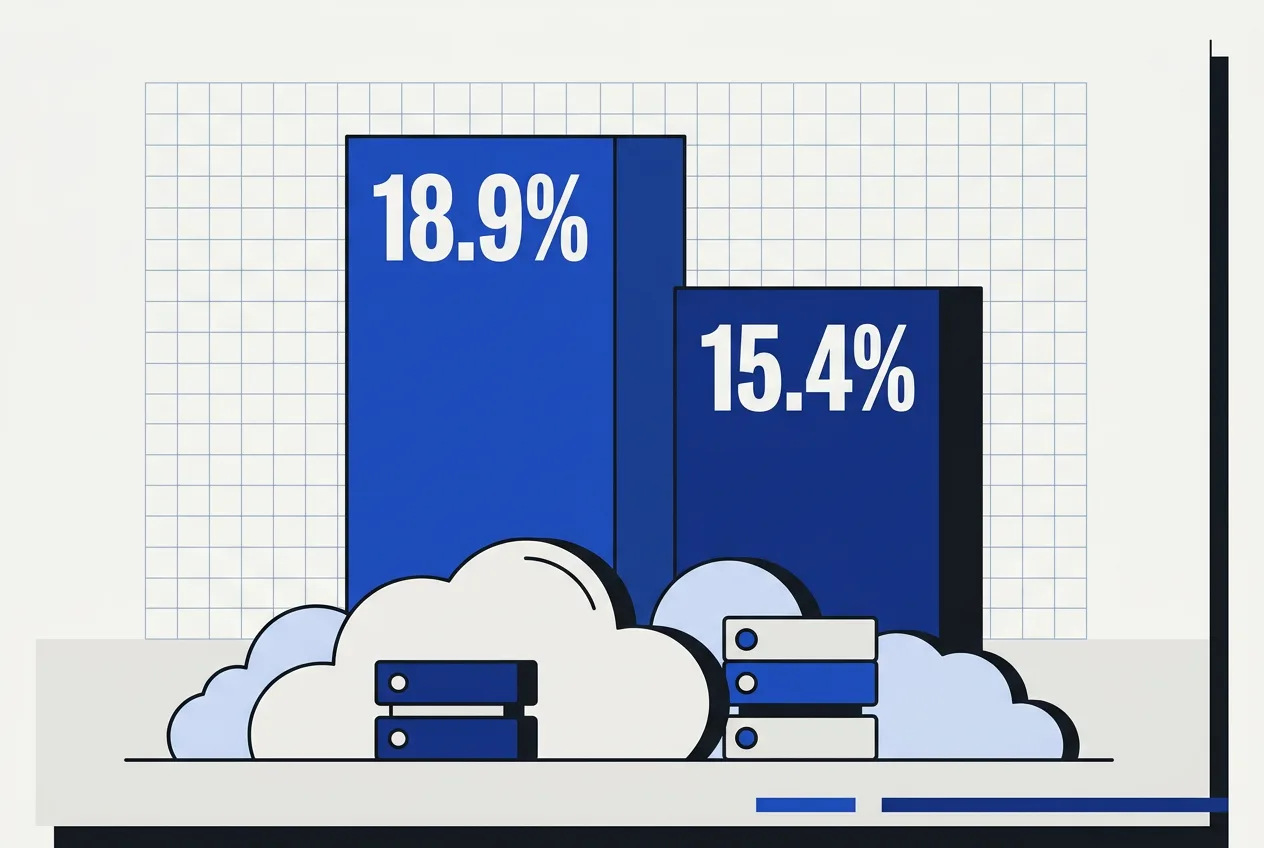
| Region | Projected CAGR to 2036 | Primary Growth Factor |
|---|---|---|
| Australia/New Zealand | 18.9% | Cloud migration and SaaS adoption |
| Japan | 15.4% | Enterprise digital transformation |
| China | 13.9% | Manufacturing and infrastructure projects |
| Germany | 12.7% | Regulatory compliance and ERP links |
| United States | 9.9% | Mature hybrid-work tooling |
Low-code customization options now help smaller teams adopt these platforms without dedicated IT staff. Deeper ERP connections and expanded API coverage further support cross-border project tracking, especially for firms operating across Asia-Pacific and Europe.
AI Project Management 2026 Features and Future Outlook
AI capabilities have moved from experimental to production use. Current tools offer predictive risk identification, automated report summarization, workload optimization, and resource forecasting. Wrike introduced agentic AI capabilities in October 2026, monday.com launched its AI Work Platform in May 2026, and Smartsheet added workload-risk modeling in late 2025.
Sub-market estimates for AI-enhanced project management software show CAGRs between 17 and 20 percent through the early 2030s, fueled by automation and predictive analytics. Next steps include greater agent autonomy under human oversight, continued integration with existing cloud storage and ERP systems, and expanded low-code options for SMEs.
Users evaluating platforms should test how each vendor handles data residency, API rate limits, and model transparency before committing to multi-year contracts. Adoption decisions now hinge on measurable time savings in reporting cycles and accuracy of risk alerts rather than broad marketing claims.
Frequently asked questions
What is the expected size of the project management software market in 2036?
Future Market Insights projects the market will reach USD 32.27 billion by 2036 from USD 9.60 billion in 2026, at a 12.9 percent CAGR.
Which regions show the fastest growth in cloud project management tools?
Australia and New Zealand lead with an 18.9 percent CAGR, followed by Japan at 15.4 percent and China at 13.9 percent through 2036.
How are AI features changing project management workflows in 2026?
Vendors now provide predictive risk detection, automated status reports, and workload optimization. Agentic AI pilots allow limited autonomous actions with human review.
What share of deployments is cloud-based today?
Cloud platforms hold 64.3 percent of the market in 2026, while large enterprises represent 57.8 percent of total deployments.
Comments 7