Russia Crypto Wallet Ban 2027 Limits Self-Custody Transfers and P2P Trades
Federal Law No. 282-FZ bars most direct transfers to self-custody wallets and ends unregulated P2P trading from July 2027, forcing users onto licensed intermediaries.
Russia's Federal Law No. 282-FZ, signed August 4 2026, introduces strict limits on self-custody crypto wallets and direct peer-to-peer trades. Core rules took effect September 1 2026, while the final P2P and withdrawal bans activate July 1 2027. Individuals must route transactions through licensed brokers or exchanges listed in the Bank of Russia registry.
Russia Crypto Wallet Ban 2027 Sets Clear Deadlines and Prohibitions
The October 12 2026 Bank of Russia guidance blocks transfers from regulated accounts to non-custodial wallets under Part 9 of Article 31. This rule already applies and prevents users from moving holdings they purchased on licensed platforms to personal hardware or software wallets. Article 30 extends the window for direct P2P deals only until July 1 2027; after that date all trades between residents must involve authorized intermediaries.
Additional restrictions effective the same July 2027 date cover broker-to-wallet transfers, exchange withdrawals to self-custody addresses, and transfers between individuals through digital depository addresses. Exchanges and depositories have until the deadline to obtain full licenses. The central bank registry currently lists around 13 authorized institutions, including Sberbank and VTB.
Non-qualified investors, estimated at 98 percent of participants, face an annual purchase cap of 300,000 rubles per intermediary after passing a qualification test. Only highly liquid assets such as BTC, ETH, and USDT are typically offered to this group. Qualified investors encounter no purchase limit. Crypto remains prohibited for domestic payments inside Russia, though cross-border trade settlements retain permitted channels through foreign bank accounts or regulated intermediaries.
Impact on Russian Crypto Holders and Platform Choices
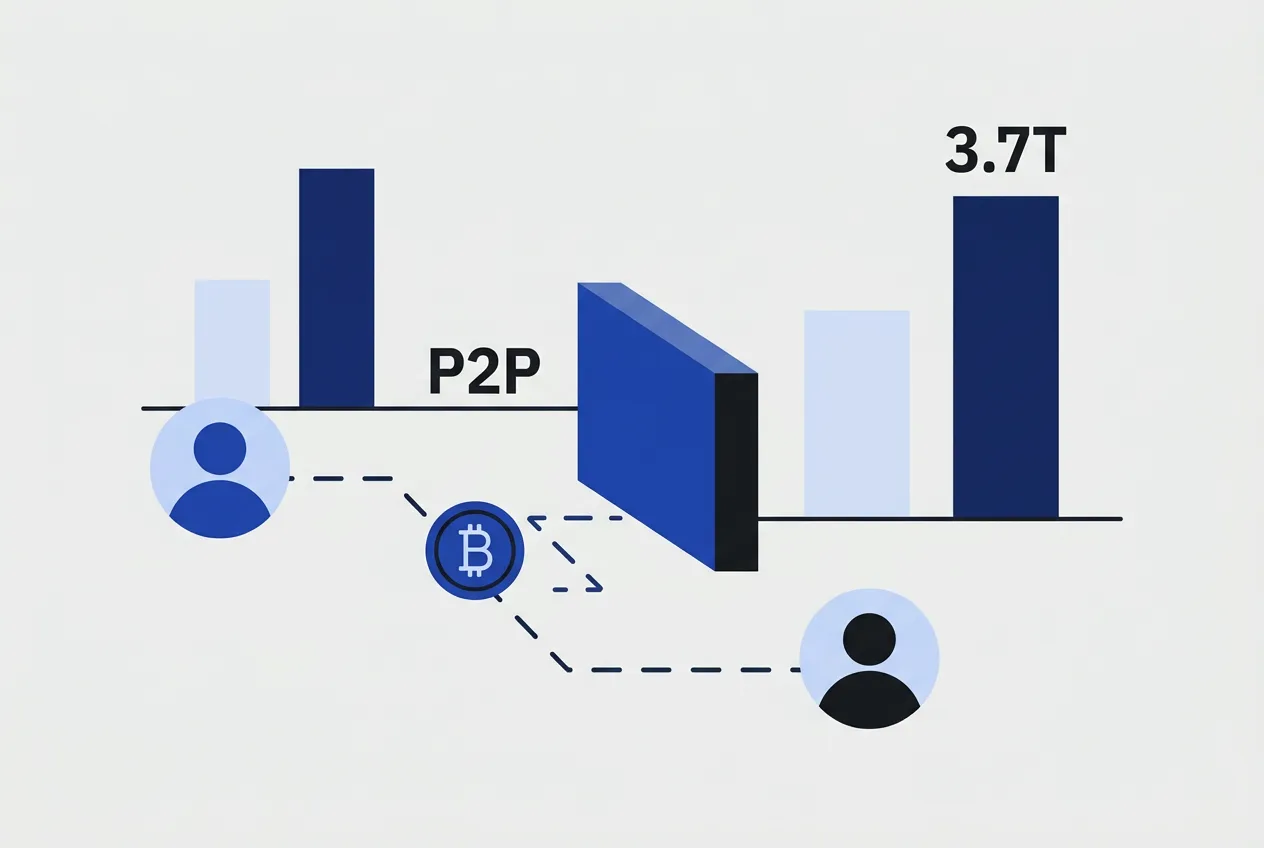
Deputy Finance Minister Ivan Chebeskov placed total crypto holdings among roughly 20 million Russians at 3.7 trillion rubles. Daily transaction volume runs near 50 billion rubles. Sberbank executives project that only about 20 percent of current volume will move to licensed platforms in the first months after the July 2027 cutoff.
Users planning ahead can open accounts with institutions already in the registry and verify qualification status before the deadline. Typical steps include completing the investor test, confirming identity through the licensed platform, and confirming that withdrawal options remain limited to other regulated addresses. Those holding large positions may explore foreign accounts for cross-border movement where permitted, while monitoring enforcement updates from the Bank of Russia.
| Investor Type | Annual Limit | Qualification Test | Available Assets |
|---|---|---|---|
| Non-qualified | 300,000 RUB | Required | BTC, ETH, USDT (typical) |
| Qualified | None | Not required | Broader selection |
Observers note ongoing enforcement challenges for remaining P2P activity and self-custody holdings. The law creates central oversight of exchanges, brokers, custodians, and digital depositories while preserving limited cross-border settlement options.
Frequently asked questions
When does the Russia crypto wallet ban 2027 take full effect?
The final restrictions on self-custody transfers and unregulated P2P trading begin July 1 2027 under Federal Law No. 282-FZ. Earlier provisions on transfers from regulated accounts already apply since September 2026.
Can Russians still withdraw crypto to personal wallets after July 2027?
No. Withdrawals from licensed exchange accounts to non-custodial wallets become prohibited, including transfers to wallets owned by the same user. All activity must stay within authorized intermediaries.
What purchase limits apply to most Russian crypto investors?
Non-qualified investors face an annual cap of 300,000 rubles per intermediary after passing a test. Qualified investors have no cap. Only about 2 percent of participants currently meet qualified status.
Which platforms are already authorized by the Bank of Russia?
The registry includes roughly 13 institutions as of mid-October 2026, among them Sberbank and VTB. Additional operators must complete licensing by July 1 2027.
Comments 10