Russia P2P Crypto Ban Sets July 2027 Deadline for Direct Trades
Direct P2P cryptocurrency trades between individuals remain possible only until June 30, 2027. After that date, all trades must route through licensed intermediaries under Federal Law No. 282-FZ.

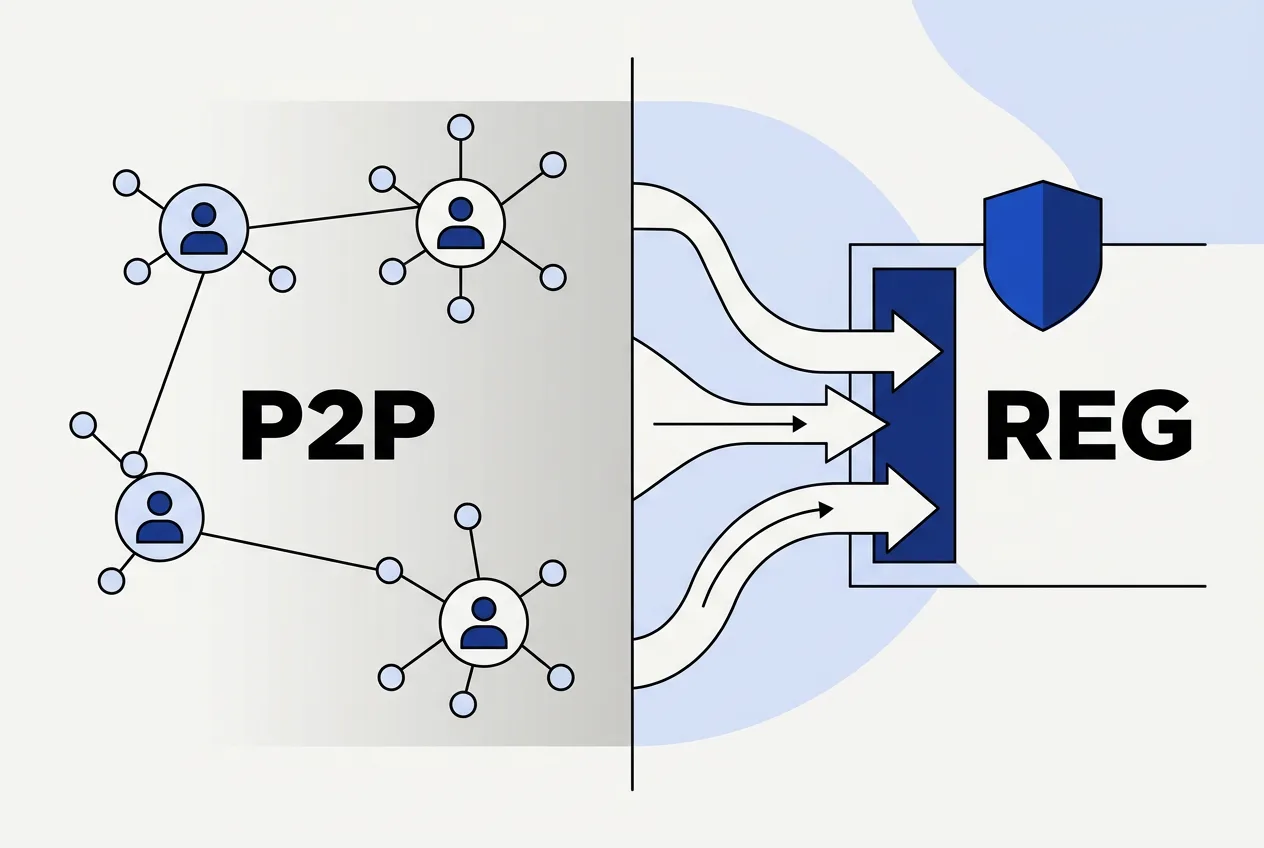
Russia P2P crypto ban takes effect on July 1, 2027. From that date, individuals can no longer conduct direct peer-to-peer trades without a licensed intermediary. The change stems from Federal Law No. 282-FZ, signed August 4, 2026, with core provisions active since September 1, 2026.
The law removes direct person-to-person transfers from the list of permitted operations. Residents must instead use authorized entities registered with the Bank of Russia. These entities include licensed brokers, crypto exchange organizations, asset managers and digital depositories.
Russia P2P Crypto Ban Timeline and Legal Framework
The timeline runs from August 2026 through September 2027. Law 282-FZ was signed on August 4, 2026. Most framework rules entered force on September 1, 2026. Article 30 specifically governs operations that require intermediaries and ends the direct P2P exemption on July 1, 2027.
Additional restrictions took effect immediately upon the law’s passage. Individuals may not move crypto from a Russian digital depository to a personal non-custodial wallet. Transfers routed between individuals through depository addresses are also prohibited. These rules apply without any grace period.
The stated goal is to place crypto activity under central-bank oversight. Ownership remains legal, and cross-border settlements in digital currency stay allowed. Domestic payments in crypto continue to be banned. Licensed platforms have until September 1, 2027 to bring their systems into full compliance.
Licensed Crypto Exchanges Russia and Retail Limits
The Bank of Russia maintains two public registers. As of late October 2026 the crypto exchange register lists between 13 and 17 entities. Sberbank joined on October 12. VTB, T-Invest Lab, Zefir, Sistema Crypto, Moy Bitcoin and Paradise Technology appear among the approved names. The digital depository register contains at least five to eight organizations, including Sberbank, VTB and Atomyze.
Non-qualified investors must pass a test and face an annual purchase cap of 300,000 rubles per intermediary, roughly 3,690 USD. Qualified investors operate without this limit. Trading on licensed platforms is initially restricted to BTC, ETH and USDT.
| Intermediary Type | Examples | Retail Cap (Non-Qualified) | Launch Window |
|---|---|---|---|
| Crypto Exchange | Sberbank, VTB, T-Invest Lab | 300,000 RUB/year | Nov–Dec 2026 |
| Digital Depository | Sberbank, VTB, Atomyze | 300,000 RUB/year | Already active |
| Asset Manager | Sistema Crypto, Zefir | 300,000 RUB/year | 2027 |
Early services are expected to open in November and December 2026. Sberbank has indicated a target start date of December 1. VTB plans rollout in November or December. Further additions to both registers are anticipated before the 2027 deadline.
Transitional Rules and Risks Until 2027
Until June 30, 2027, direct P2P trades remain listed as permitted. Users who continue these trades after the cutoff face enforcement risk. Authorities have signaled scrutiny of disguised structures such as gifts, loans or offshore routing that attempt to replicate direct transfers.
Practical steps for users include opening accounts with at least one registered intermediary and completing the qualification test if required. Transfers to self-custody wallets from Russian depositories must stop immediately. Those holding significant balances in non-custodial wallets should review compliance options before the 2027 cutoff.
Compared with earlier informal P2P channels, licensed platforms add KYC requirements and transaction reporting. They also provide clearer recourse in case of disputes. The shift reduces anonymity but brings activity inside regulated rails that already handle foreign-trade settlements.
Frequently asked questions
When does the Russia P2P crypto ban start?
Direct trades without intermediaries become prohibited on July 1, 2027. The framework of Law 282-FZ took effect earlier, on September 1, 2026.
Which platforms are licensed for crypto trades in Russia?
The Bank of Russia register includes Sberbank, VTB, T-Invest Lab and several smaller entities. At least 13–17 exchanges and 5–8 depositories appear on the lists as of October 2026.
What limits apply to retail investors?
Non-qualified investors face a 300,000-ruble annual cap per intermediary after passing a test. Trading is initially limited to BTC, ETH and USDT.
Can users still move crypto to personal wallets?
No. Transfers from Russian digital depositories to non-custodial wallets are already barred. This rule has no transition period.
Comments 5