Web Hosting Providers 2026: Uptime SLAs, DDoS Protection and Support Response Times Compared
Measured uptime data, DDoS mitigation details and support averages for major web hosting providers as of late 2026.
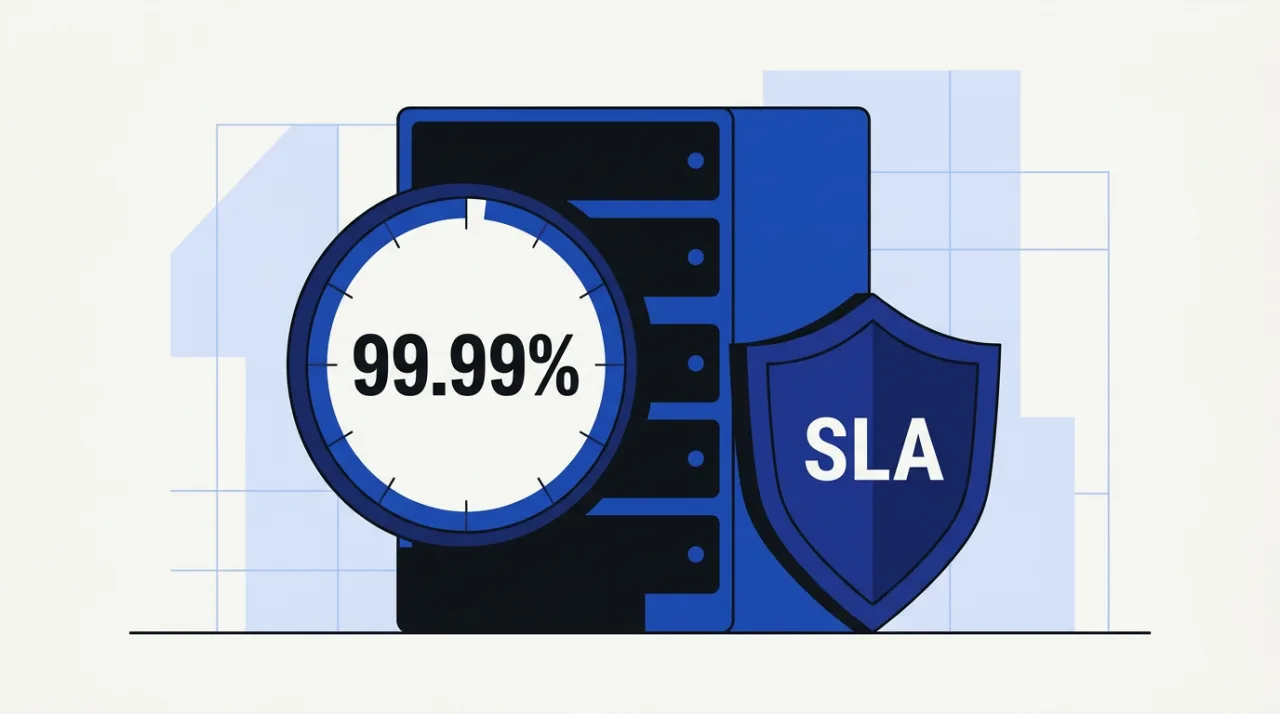
Web hosting providers 2026 differ sharply in the uptime they actually deliver versus advertised SLAs, the depth of DDoS protection they include, and how quickly their support teams respond. Independent 12-month tests through mid-2026 show that only about half of providers met or exceeded their stated guarantees once scheduled maintenance and user errors were excluded.
Advertised figures typically range from 99.9 percent to 99.99 percent, with a few claiming 100 percent on select plans. Real-world results varied by provider infrastructure and traffic patterns.
Web Hosting Providers 2026 Uptime SLAs and Performance Data
Bluehost advertises 99.99 percent uptime on shared plans with up to 5 percent monthly fee credit, though exclusions cover scheduled maintenance, user issues and DDoS events. Hostinger advertises 99.9 percent with 5 percent credit per outage hour, claims required within 30 days. DreamHost lists 100 percent on certain plans.
Twelve-month independent monitoring recorded SiteGround at 99.97 percent, equal to roughly 2 hours 37 minutes of downtime. Cloudways and Vultr reached approximately 99.98 percent. Kinsta averaged 99.96 percent. Hostinger measured 99.89 percent and Bluehost 99.82 percent. GoDaddy fell to about 99.74 percent. Premium managed WordPress and cloud hosts generally posted stronger numbers than budget shared providers.
Credits remain capped in most terms and require formal claims. Actual uptime excludes maintenance windows and problems caused by customer code or traffic spikes. Providers continue rolling out LiteSpeed and edge integrations, yet users must still run their own checks with tools such as UptimeRobot or Pingdom.
DDoS Protection and Support Response Times
DDoS protection at most hosts operates at network level through hardware firewalls, rate limiting or third-party partners. Hostinger combines Wanguard filtering with Cloudflare at nameserver level on web and cloud plans. VPS customers see filtering and null-route events directly in the dashboard. SiteGround uses hardware and software firewalls plus connection limits and an AI anti-bot layer with an Under Attack Mode option via its CDN.
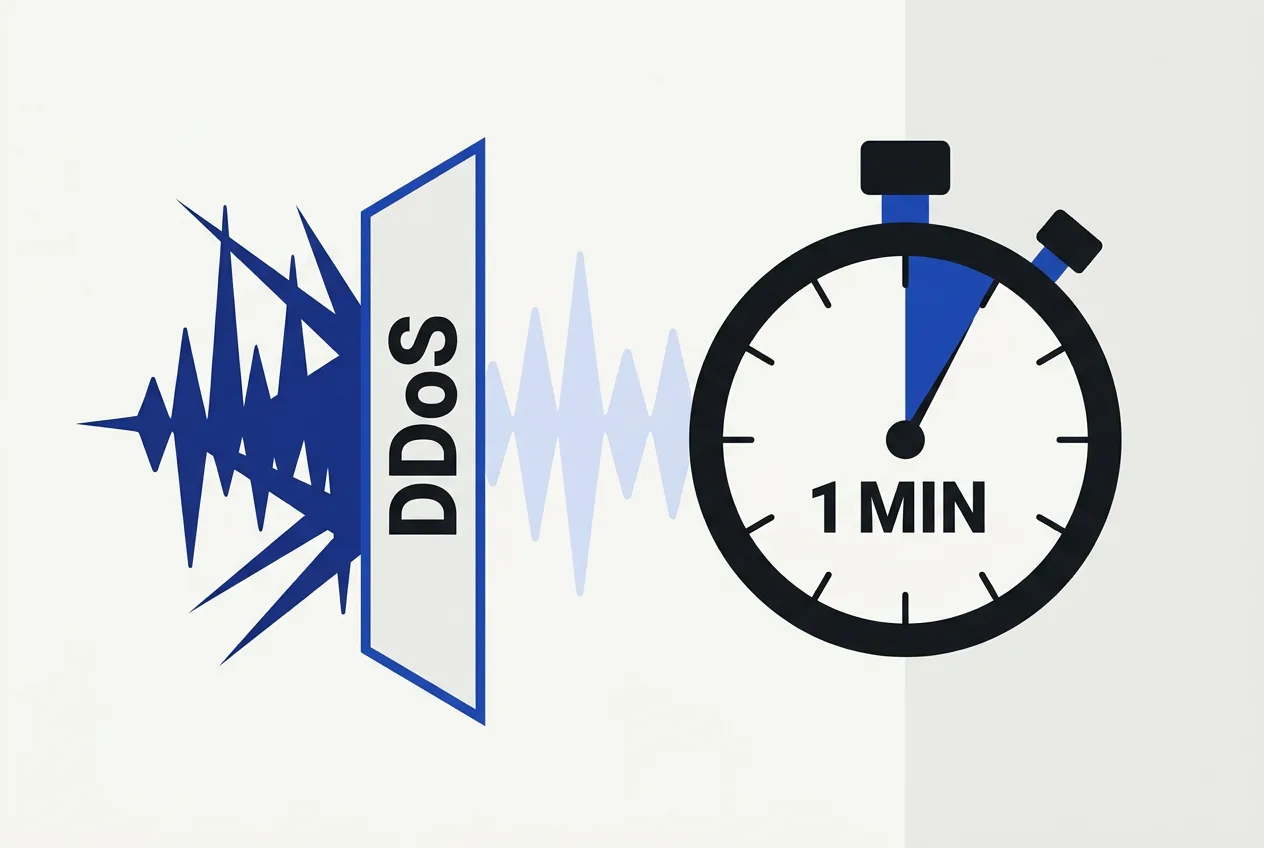
Bluehost includes network-level mitigation on shared and VPS plans; higher tiers add premium WAF and CDN services. Kinsta bundles Cloudflare Enterprise firewall and bot protection that blocks an estimated 15 to 20 percent of malicious traffic. OVHcloud provides always-on 1.3 Tbps mitigation capacity across VPS instances. Large attacks can still affect shared nodes even when baseline filtering is active.
Support response times vary by channel. Kinsta chat averaged 1 minute 42 seconds. SiteGround chat stayed under 2 minutes with frequent sub-30-second connections and over 90 percent first-contact resolution. Liquid Web chat averaged 1 minute 30 seconds. Cloudways chat reached 2 minutes 15 seconds while tickets often exceeded 45 minutes. Hostinger chat averaged 5 minutes. Bluehost and similar providers typically showed 3 to 8 minutes on chat. G2 aggregates from August 2026 placed ScalaHosting at 99 percent and Cloudways at 92 percent for support quality. First-contact resolution mattered more to reviewers than raw speed alone.
| Provider | Advertised Uptime | Measured Uptime | DDoS Notes | Chat Response |
|---|---|---|---|---|
| SiteGround | 99.9% | 99.97% | Hardware firewalls + AI anti-bot | Under 2 min |
| Kinsta | 99.9% | 99.96% | Cloudflare Enterprise | 1 min 42 sec |
| Hostinger | 99.9% | 99.89% | Wanguard + Cloudflare | 5 min avg |
| Bluehost | 99.99% | 99.82% | Network level included | 3–8 min |
Premium managed hosts charge more but deliver tighter SLAs, stronger edge security and faster first responses. Budget shared options remain suitable for low-traffic sites when users verify current terms and test with 30-day money-back periods before committing.
Frequently asked questions
Which web hosting provider showed the highest measured uptime in 2026 tests?
Cloudways and Vultr reached approximately 99.98 percent in 12-month monitoring through mid-2026. SiteGround followed closely at 99.97 percent.
Do advertised uptime SLAs include DDoS events?
Most SLAs exclude DDoS attacks, scheduled maintenance and user-caused issues. Credits require formal claims and are usually capped.
How fast is chat support at leading hosts?
Kinsta averaged 1 minute 42 seconds and SiteGround under 2 minutes. Hostinger averaged 5 minutes on the same channel during 2026 tests.
Is OVHcloud DDoS protection stronger than most competitors?
OVHcloud includes always-on 1.3 Tbps mitigation on VPS plans, exceeding the network-level filtering common at many other providers.
Comments 10