Web Hosting Security 2026: cPGuard Poisoned Update and Remediation
On November 2, 2026, compromised credentials allowed poisoned cPGuard updates to run on nearly 3,000 servers for 70 minutes, exposing credentials and installing backdoors.
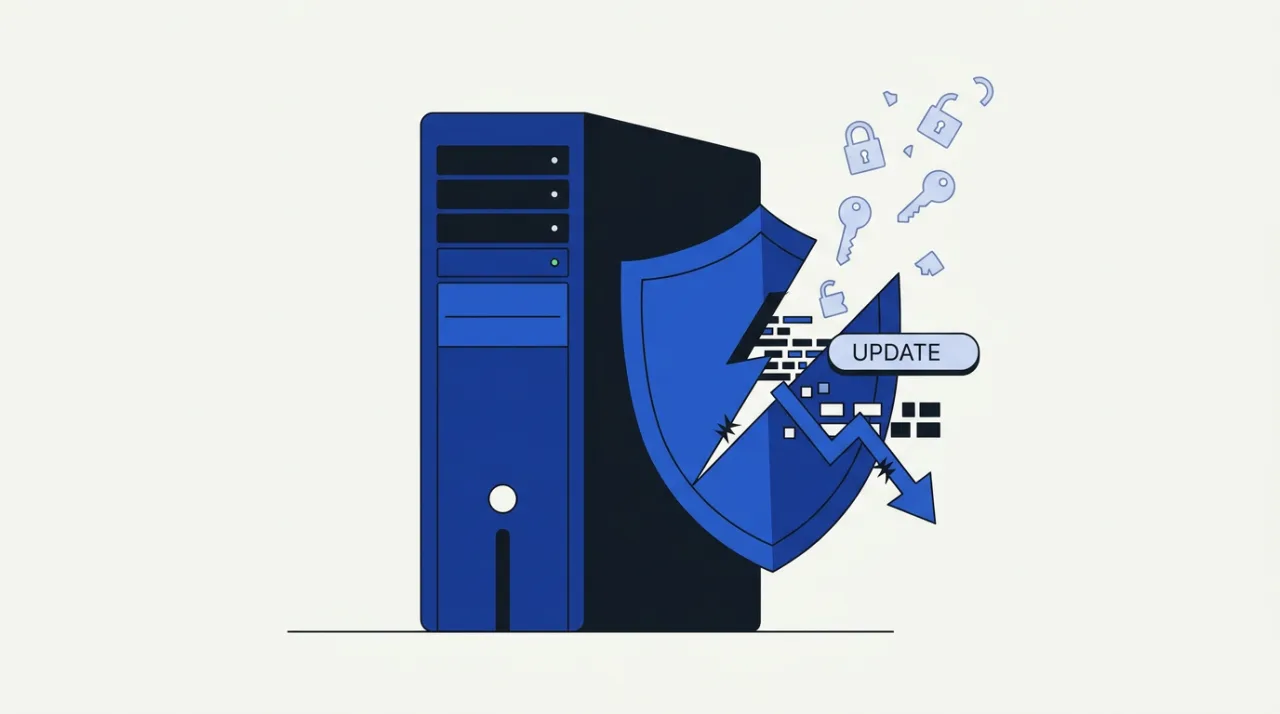
On November 2, 2026, an attacker pushed malicious cPGuard versions 5.88.12 through 5.88.19 to servers via OPSSHIELD’s update CDN. The poisoned packages ran as root for roughly 70 minutes and collected sensitive files before the vendor revoked the key. Administrators must confirm clean versions and rotate exposed credentials.
Incident Details and Scope
The compromise began around 02:06 UTC when stolen credentials granted access to the update distribution system. Malicious code collected /etc/shadow, /etc/passwd, MariaDB configuration files, SSH keys, and some cloud credentials, then uploaded the data to the licensing server. About 2,950 customer servers executed the update, and roughly 7,900 billing records were exposed from OPSSHIELD systems.
No software vulnerability in cPGuard itself enabled the attack; the entry point was credential theft. The backdoor remained at /var/tmp/.cpg91511_sh along with a loot archive. OPSSHIELD detected the issue within 12 hours, revoked the signing key, and issued corrected packages. The incident affected Linux servers running cPGuard alongside cPanel, DirectAdmin, or Plesk, but remained separate from earlier cPanel security patches released in September and October 2026.
Early reports indicate the attacker retrieved around 32 data files. No routine server rebuilds have been recommended, yet every affected installation requires credential rotation. Hosting providers have not reported widespread unpatched status as of November 6, 2026.
Remediation Actions for Servers and Providers
Run cpgcli update --start on every server and confirm version 5.88.25 or later with cpgcli --version. Version 5.88.26 removes the backdoor; a follow-up update clears the scheduled task i93677. Check install logs with grep 'Successfully updated' /opt/cpguard/logs/install_log to identify any run of the poisoned releases.
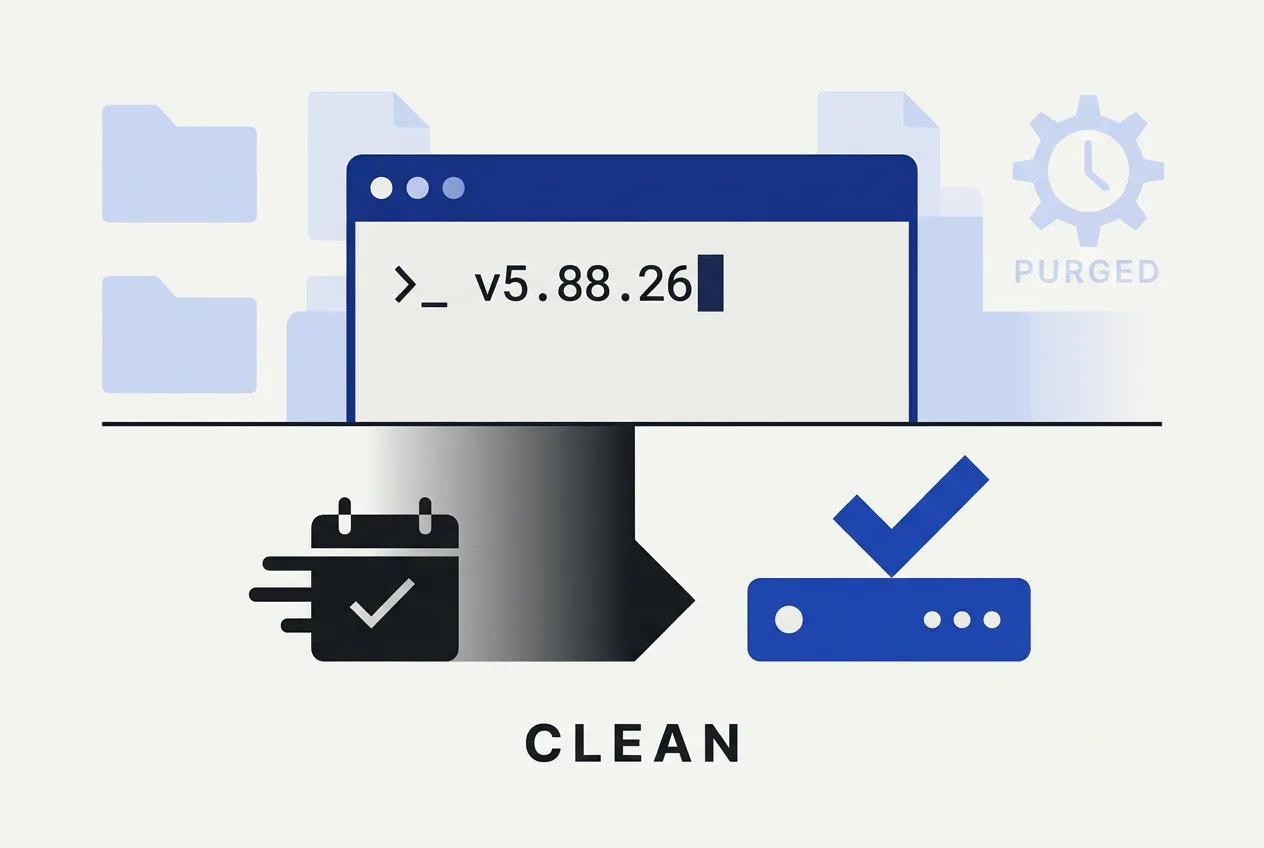
Replace root and local passwords, database credentials, SSH private keys, and authorized public keys on trusting systems. Rotate any cloud or API keys that appeared in collected files and reset OPSSHIELD billing passwords while enabling two-factor authentication. Verify removal of the directories /var/tmp/.cpg91511 and the backdoor script.
Users should contact their hosting provider to confirm whether cPGuard was installed and whether remediation has completed. Providers such as Realmac have already stated their customers remain unaffected because they do not deploy the tool. Ongoing monitoring of OPSSHIELD advisories remains necessary until the investigation concludes.
Provider Patch Status and Ongoing Risks
Large-scale hosting companies have issued limited public statements so far. Some confirm they never used cPGuard, while others advise direct customer inquiries for confirmation. No CVE was assigned because the event constituted a supply-chain compromise rather than a code flaw.
Administrators should treat any server that ran versions 5.88.12–5.88.19 as potentially compromised even after the clean update. Regular log reviews and credential audits reduce the chance that collected data leads to further access. Continued attention to vendor notifications will clarify the full scope of retrieved files.
Frequently asked questions
Which cPGuard versions contained the malicious code?
Versions 5.88.12 through 5.88.19 were poisoned. Administrators should update to 5.88.25 or later and verify removal of the backdoor files.
Do all cPanel servers require immediate action?
Only servers running the listed cPGuard versions need remediation. cPanel itself was not directly involved in this supply-chain event.
What credentials must be rotated after the attack?
Rotate root passwords, database credentials, SSH keys, cloud API keys, and OPSSHIELD billing account passwords. Enable two-factor authentication where available.
How can users check if their provider was affected?
Contact the hosting provider directly to confirm cPGuard usage and patch status. Some providers have already published statements that their customers remain unaffected.
Comments
No comments yet. Be the first!