Yoast SEO 28.7 Update October 2026: AI Title Description Editing and Code Cleanup Details
Yoast SEO 28.7 extends AI tools to edit post SEO data and removes long-deprecated code classes and actions from the WordPress plugin.
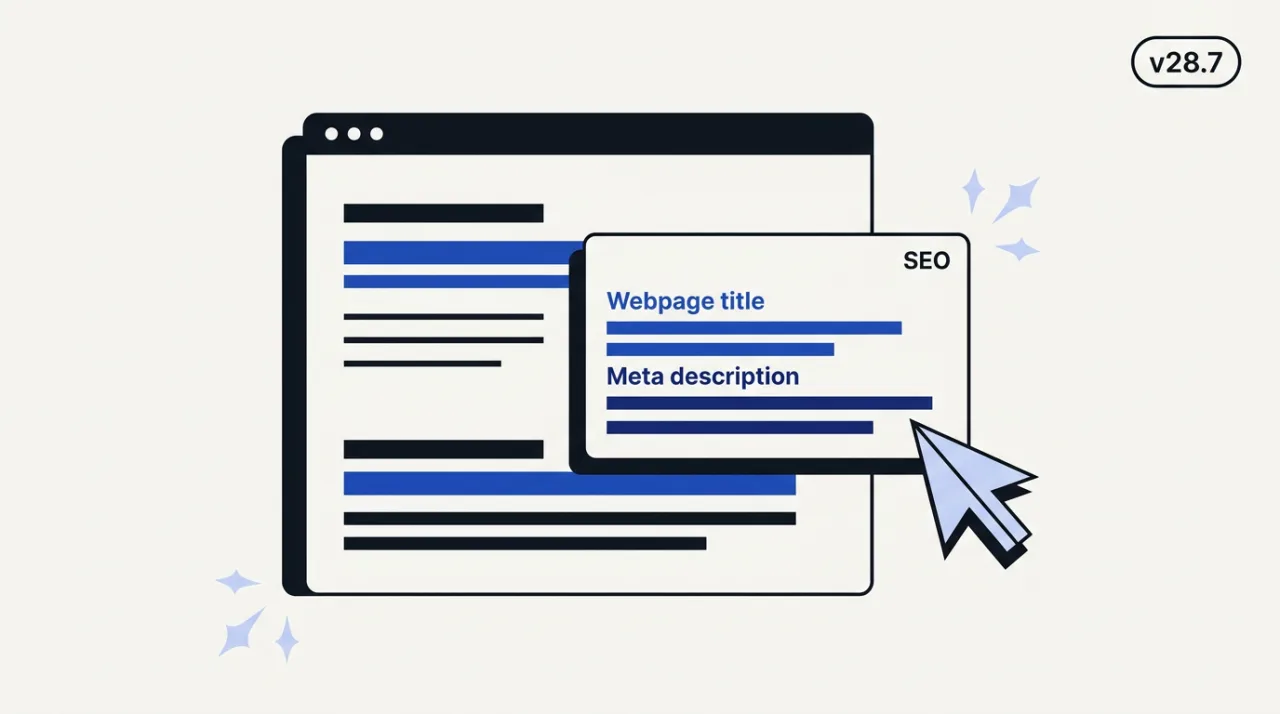
Yoast SEO 28.7, released on October 13, 2026, adds the ability for connected AI agents to update SEO titles, meta descriptions, Open Graph fields, and X titles and descriptions on individual posts. The update builds directly on the Abilities framework introduced earlier in 2026 and keeps the focus keyphrase field read-only. WordPress capability checks remain in place for all changes.
AI Title and Description Editing Through Yoast Abilities
The new yoast-seo/update-post-seo-data ability allows external AI tools to modify SEO titles, meta descriptions, Open Graph titles and descriptions, and X titles and descriptions. This follows the September 2026 release that introduced abilities for reading SEO data and editing technical settings. Focus keyphrase values stay protected from automated changes.
Developers and site owners who connect AI agents to WordPress can now automate routine metadata updates while respecting existing user role permissions. The feature aligns with the WordPress Abilities API introduced in WP 6.9. Sites running the free plugin with more than 10 million active installations receive the update through the standard WordPress dashboard.
Premium users also see two bug fixes in version 28.7: a PHP warning that appeared with certain page builders such as Flatsome UX Builder and a role-based redirect issue that allowed arbitrary internal redirects. The minimum required version of the free plugin has been raised to 28.7 for Premium installations.
Code Cleanup Removes Classes Deprecated Since 2020
Yoast performs an annual removal of code marked deprecated in version 26.1 or earlier. The largest change drops the WPSEO_Frontend class, which was deprecated in April 2020. Two actions, wpseo_opengraph and wpseo_twitter, are removed; developers should migrate to wpseo_frontend_presenters instead.
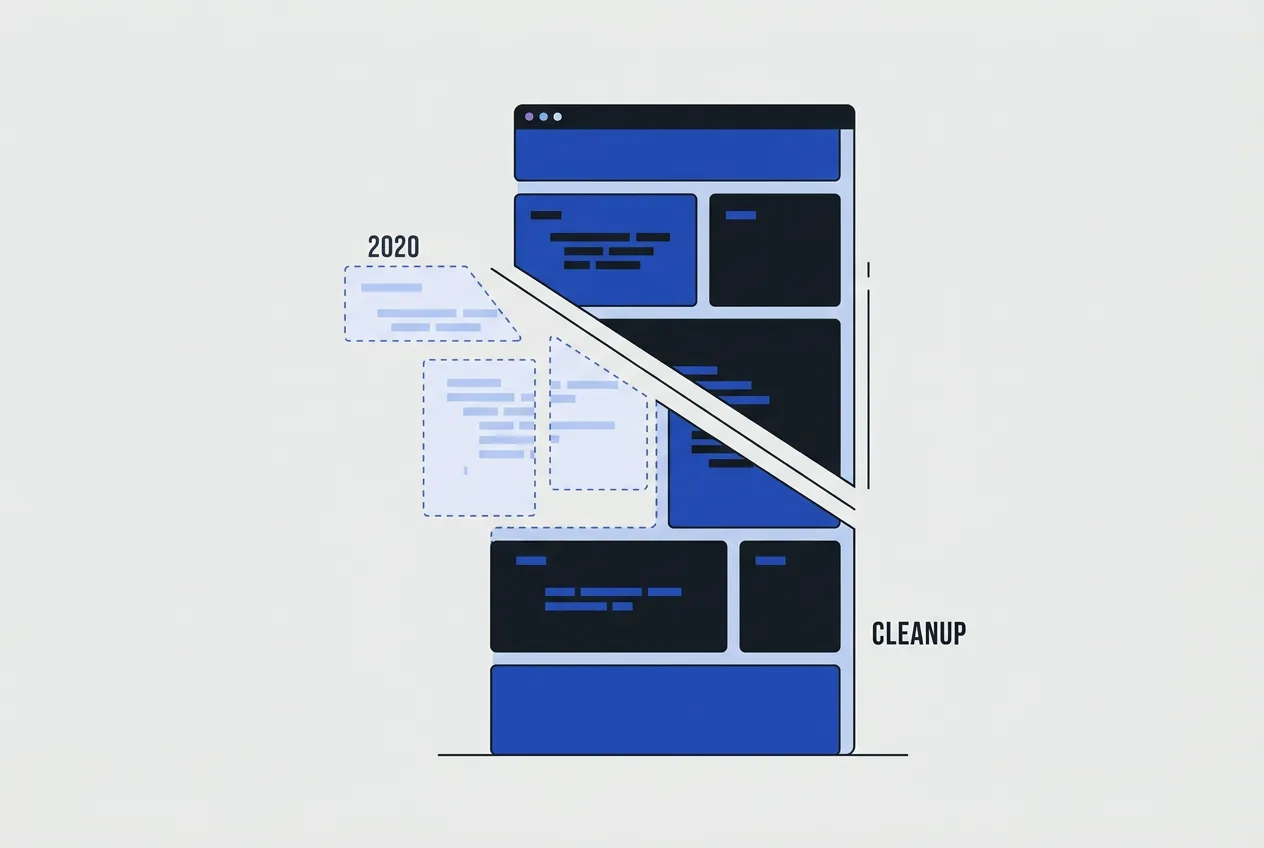
The filter wpseo_robots_array now strictly requires an array return value. Returning any other data type triggers a fatal error. Additional deprecations were added for future removal cycles. Theme and plugin authors who still reference the removed items should update their code before or immediately after installing 28.7.
Most sites experience no visible change because the removed items have carried deprecation notices for several years. Site owners who maintain custom themes or extensions can review the full list of removals in the GitHub pull request linked from the official release post. The next release is expected to follow the usual bi-weekly schedule.
Practical Steps After Installing Yoast SEO 28.7
Run a full site backup before updating. After the update completes, clear any caching plugins and test key pages for correct title and meta description output. Developers should search their custom code for references to the removed class and actions listed above.
Site administrators who use AI agents can test the new update ability on a staging site first. Confirm that the connected agent respects capability checks and does not attempt to alter the focus keyphrase field. Regular users continue to edit metadata manually through the standard Yoast metabox without any new steps required.
| Change Type | Details | Impact |
|---|---|---|
| AI ability added | Update SEO titles, descriptions, OG, and X fields | Enables agentic workflows |
| Class removed | WPSEO_Frontend (deprecated 2020) | Affects custom themes only |
| Actions removed | wpseo_opengraph, wpseo_twitter | Migrate to presenters filter |
| Filter enforcement | wpseo_robots_array must return array | Can cause fatal error if ignored |
Frequently asked questions
When was Yoast SEO 28.7 released?
The update reached the WordPress repository on October 13, 2026. It extends the Abilities framework introduced earlier in the year and removes several long-deprecated code items.
What AI features does Yoast SEO 28.7 add?
Connected AI agents can now update post SEO titles, meta descriptions, Open Graph fields, and X titles and descriptions through the new ability. The focus keyphrase stays read-only and role permissions apply.
Which code was removed in this release?
The WPSEO_Frontend class, the wpseo_opengraph and wpseo_twitter actions, and strict array return enforcement on the wpseo_robots_array filter were removed. Most sites are unaffected.
Do Premium users need to take extra steps after updating?
Premium 28.7 fixes two bugs and raises the minimum free plugin version requirement. Users should verify page builder compatibility and test any custom redirect rules after the update.
How should developers prepare for the code cleanup?
Search custom themes and plugins for references to the removed class and actions. Replace them with the recommended alternatives before installing 28.7 on production sites.
Comments 12