Zerohash AUTH 2026 Launch Simplifies Crypto Transfers Without Wallet Addresses
Zerohash AUTH enables transfers between linked custodial accounts and self-custodial wallets without copying addresses or choosing networks. The service reached 600-plus connections at launch.
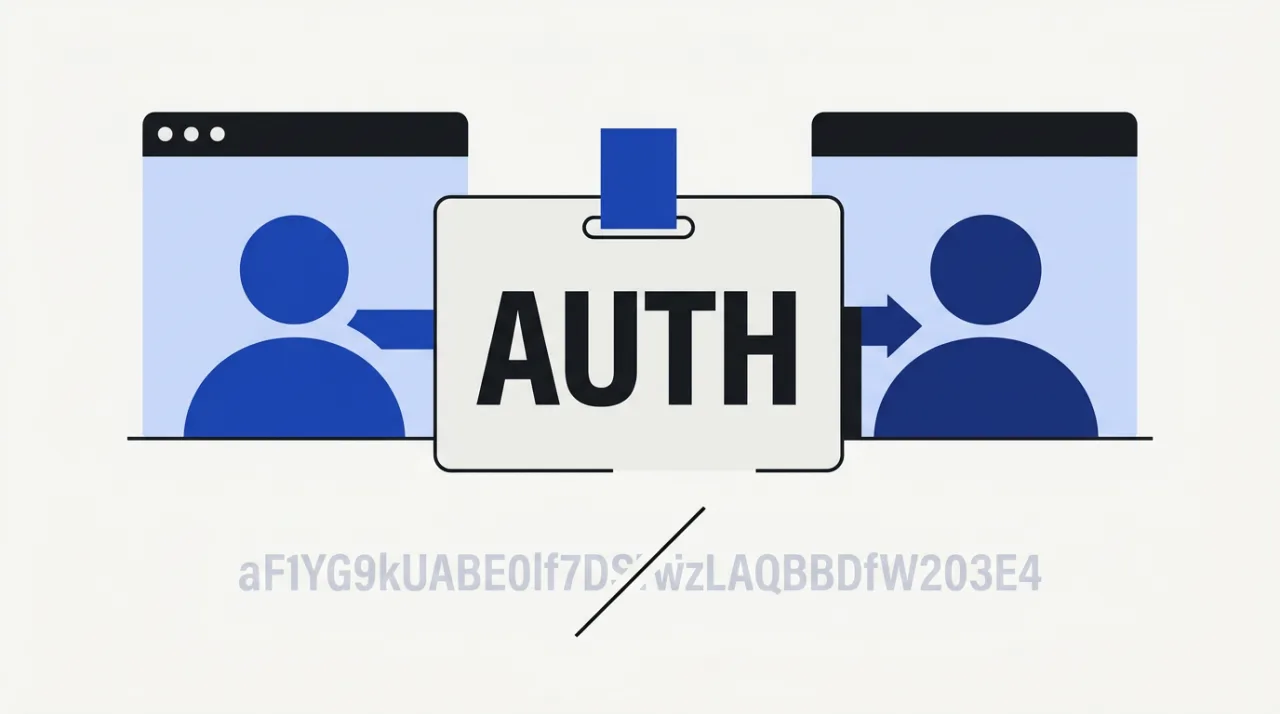
Zerohash AUTH launched on October 19 2026 at the Money 20/20 USA conference in Las Vegas. The tool removes the need to copy wallet addresses or select blockchain networks when moving crypto, stablecoins or tokenized securities between supported exchanges and wallets. Users authenticate once through partner login flows and the service handles routing and settlement.
How Zerohash AUTH Handles Wallet to Exchange Transfers 2026
The end-user flow begins inside an AUTH-enabled deposit or withdrawal screen. After accepting terms, the user selects a linked connection such as Coinbase, Robinhood or Gemini and completes login plus multi-factor authentication. The platform then displays the asset, amount and any fees before the user authorizes the move.
Assets travel onchain while Zerohash manages network selection and settlement. Near-instant settlement applies to supported assets; other transfers follow standard blockchain confirmation times. Platforms set which assets and networks appear and can add optional identity checks such as name similarity scoring for compliance records.
Self-custodial wallets stay in user control. The service never moves private keys; it only records permissioned account links. Deposits flow from external wallet to platform account, and withdrawals move the opposite direction once the link is active.
- Review asset balance and fee estimate before final approval.
- Revoke the link at any time through the original platform settings.
- Track transfers inside the exchange or wallet interface that initiated the request.
Supported Connections and Platform Controls
At launch the network included 639 wallet connections and four exchange or brokerage accounts. Live integrations cover Coinbase Exchange and Wallet, Robinhood and Gemini. Kraken remains in beta. The service reaches roughly 250 million users across 190 countries and routes activity on more than 50 blockchains.
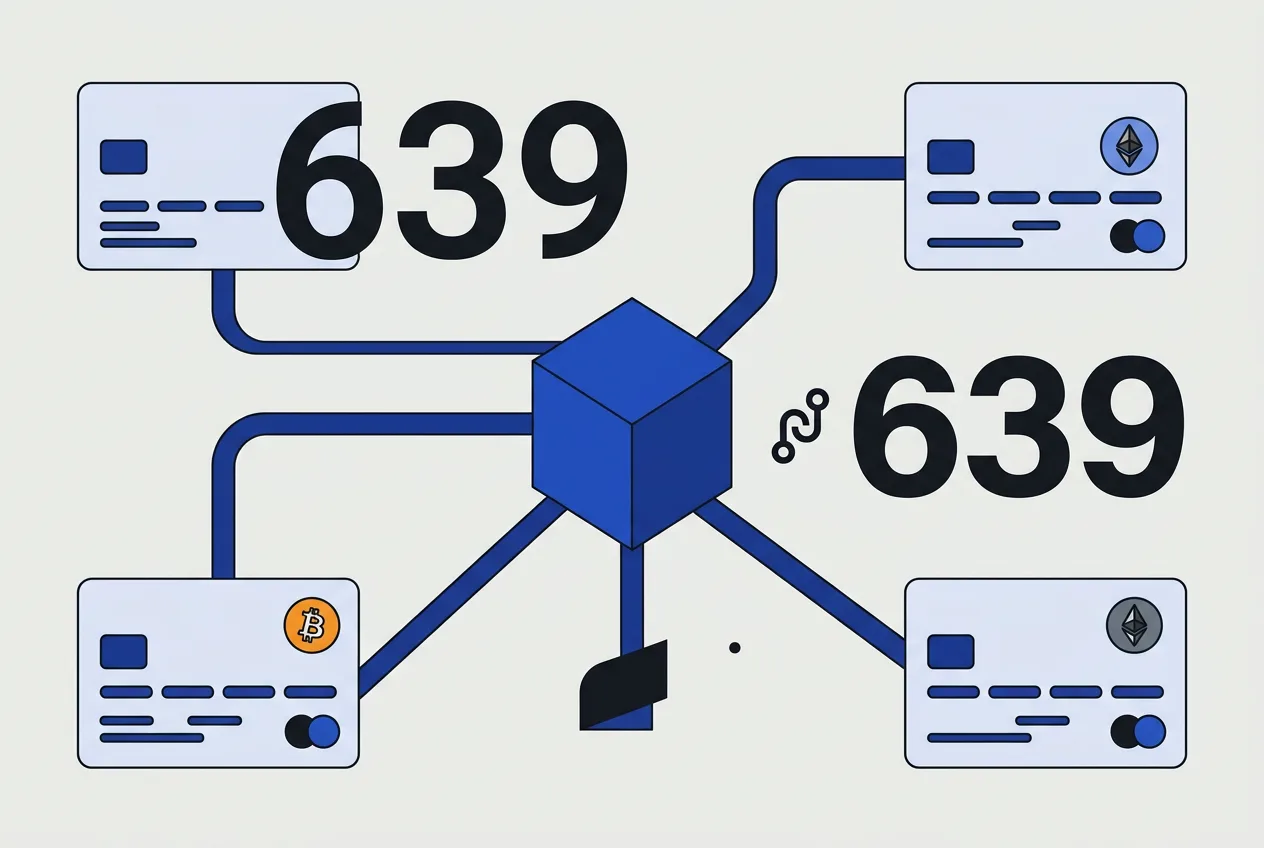
Each connected platform decides which transfer directions and asset types to expose. Controls include limits on daily volume, required identity verification steps and blacklists for specific addresses. The underlying infrastructure is operated by affiliate Connect Ltd. in Bermuda.
Compared with conventional onchain moves, AUTH removes manual address entry and network selection. Traditional withdrawals still require users to paste an address and choose a chain, steps that frequently cause lost funds when the wrong network is selected. AUTH shifts those decisions to the service layer after the user authenticates the linked account.
| Feature | Traditional Transfer | Zerohash AUTH |
|---|---|---|
| Address entry | Required | Not required |
| Network selection | Manual | Handled by service |
| Supported accounts | Any onchain address | Linked custodial or self-custodial |
| Key exposure | Full wallet access | None for self-custody |
Background and Next Steps for Zerohash AUTH
Zerohash began testing account-linking features in August 2026 under its Account Funding SDK. The company, based in Chicago, filed a national trust bank charter application that remains pending after resubmission in August. General manager Ryan Beaudry described the goal as removing technical friction so users no longer manage underlying blockchain details.
Future expansion depends on additional exchange and wallet sign-ups plus regulatory progress on the charter application. No usage metrics have been released. Retail platforms that already support deposits and withdrawals stand to gain the clearest immediate benefit from the simplified flow.
Frequently asked questions
Which platforms support Zerohash AUTH at launch?
Live connections include Coinbase Exchange, Coinbase Wallet, Robinhood and Gemini. Kraken operates in beta. The service lists 639 wallet integrations and four exchange or brokerage accounts total.
Does Zerohash AUTH move private keys from self-custodial wallets?
No. The service records permissioned links only. Users retain full control of their keys, and authentication occurs through the wallet provider’s own login flow.
How long do transfers take with Zerohash AUTH?
Supported assets settle near-instantly. Other transfers follow the confirmation time of the chosen blockchain after Zerohash completes routing and settlement.
Can platforms add compliance checks to Zerohash AUTH transfers?
Yes. Platforms can require identity matching using Jaro-Winkler similarity scoring and set volume limits or asset blacklists before any transfer is authorized.
Comments 15